5,538 walkers crunched over Falljökull's crevasses
Ice Cave Tour from Skaftafell - Glacier Hikes and Outlet Glaciers
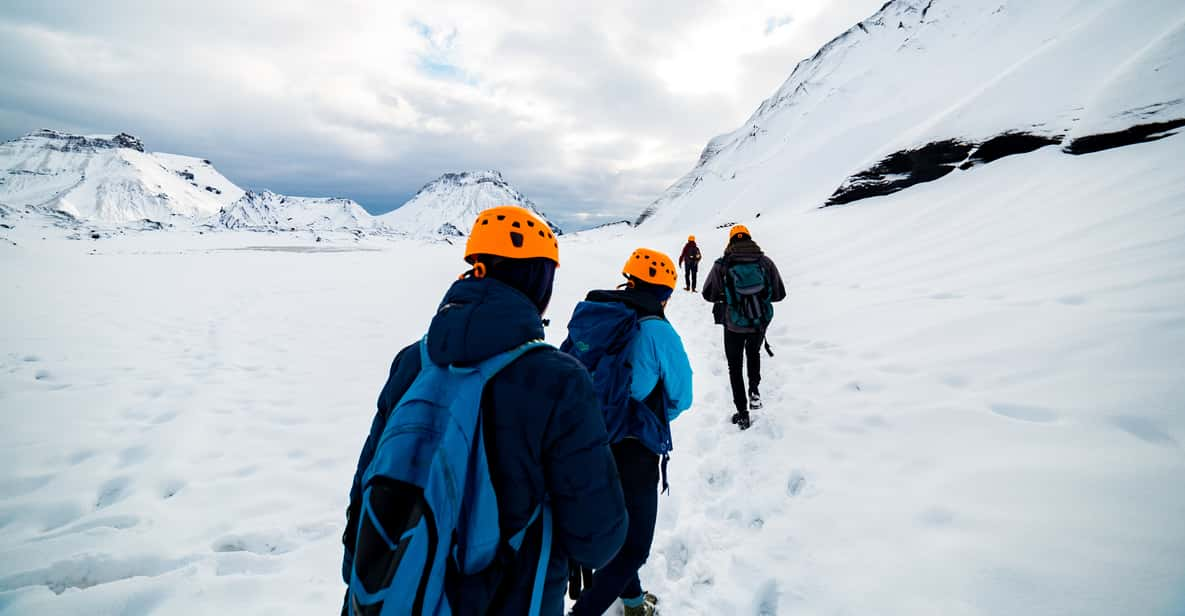
You've driven the South Coast for this. Now step onto Vatnajökull's ice itself - a three-hour Falljökull glacier hike from Skaftafell with crampons, helmet, harness and ice axe all provided, guided by pros who walk this ice every day, and coffee and chocolate waiting when you come off the glacier. Pick your departure, park for free at the meeting point, and be on the ice within the hour.
"Such an incredible tour, right amount of time on the glacier. Our guide Andrej was knowledgeable and informative. Early May, saw Moulins, Moraines and crevasses, plus drank glacier water from a mini stream."
Skaftafell ice cave tours - which one fits your day
boots rentable at the hut
Ice cave tour from Skaftafell is mostly a question of how you meet the ice. One option puts you on Falljökull on foot with crampons and an ice axe. The others drive you to a cave on Vatnajökull's outlets by Super Jeep. Pick the glacier hike if you want to walk the ice yourself, the jeep tours if you want to stand inside a cavern.
GuidesYou cannot enter a glacier ice cave or walk onto the ice without a certified guide, so book rather than plan to explore on your own.
AgeThe Falljökull hike accepts children from 8 years old; the Jökulsárlón ice cave tours set their minimums at 6 and 10.
FootwearHigh-top hiking boots with a stiff sole and a snug fit around the ankle are needed for crampons, and unsuitable shoes can get you turned away at the gear check.
BootsYou can rent hiking boots on site, and waterproof jacket and pants too on the Falljökull hike.
MeetingThe Skaftafell tour meets at the hut by the visitor center, and you should arrive 20 minutes before departure.
RoadsRing Road 1 can close in winter storms between Vík and Skaftafell, so check road and weather conditions before setting out and leave extra time.
CancellationsDaily safety assessments close glacier sites when conditions are unsafe, and operators who cancel for weather or glacier conditions refund you.
SeasonThe natural ice caves near Jökulsárlón run in winter, while the Falljökull glacier hike goes year-round.
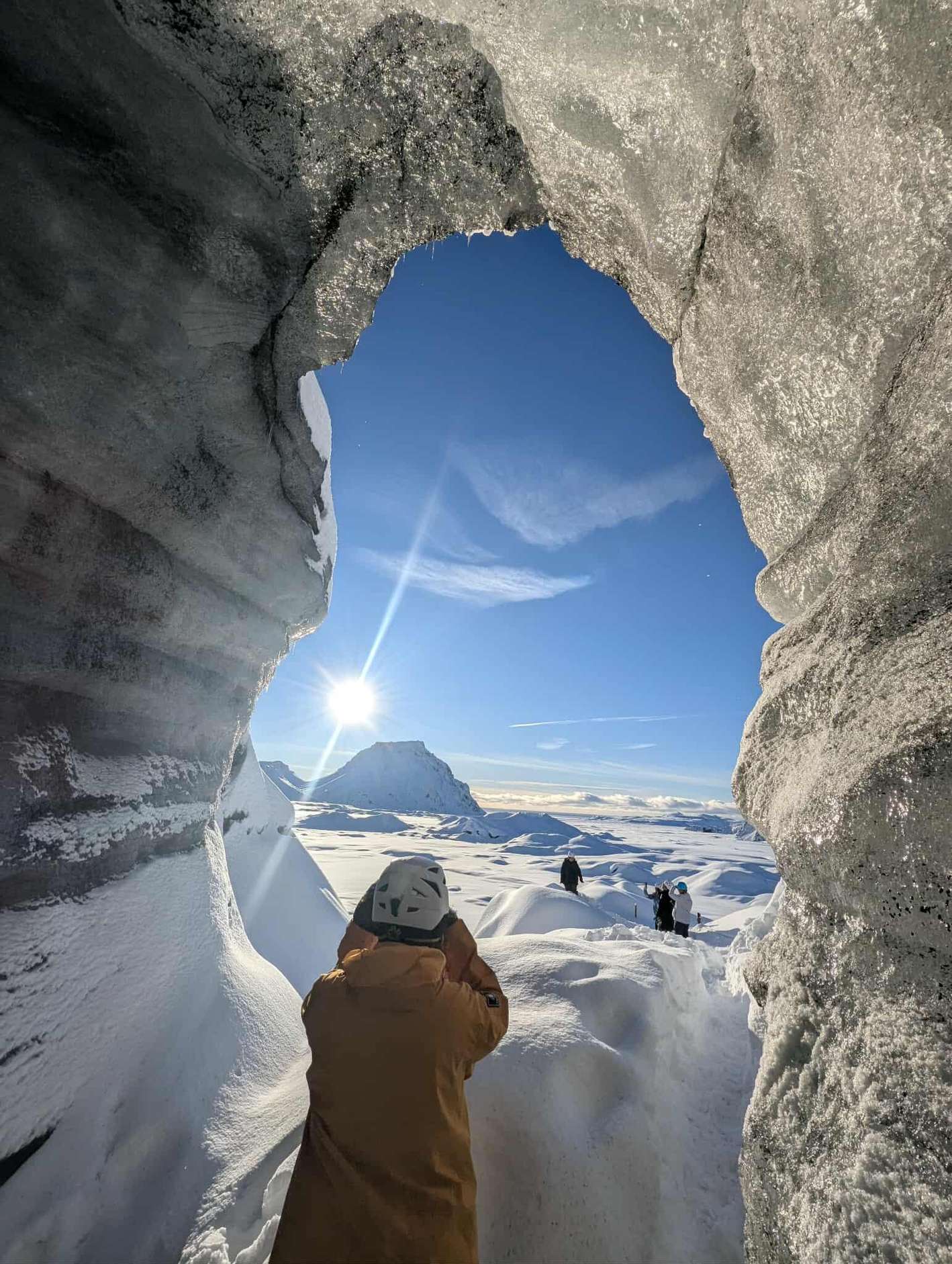
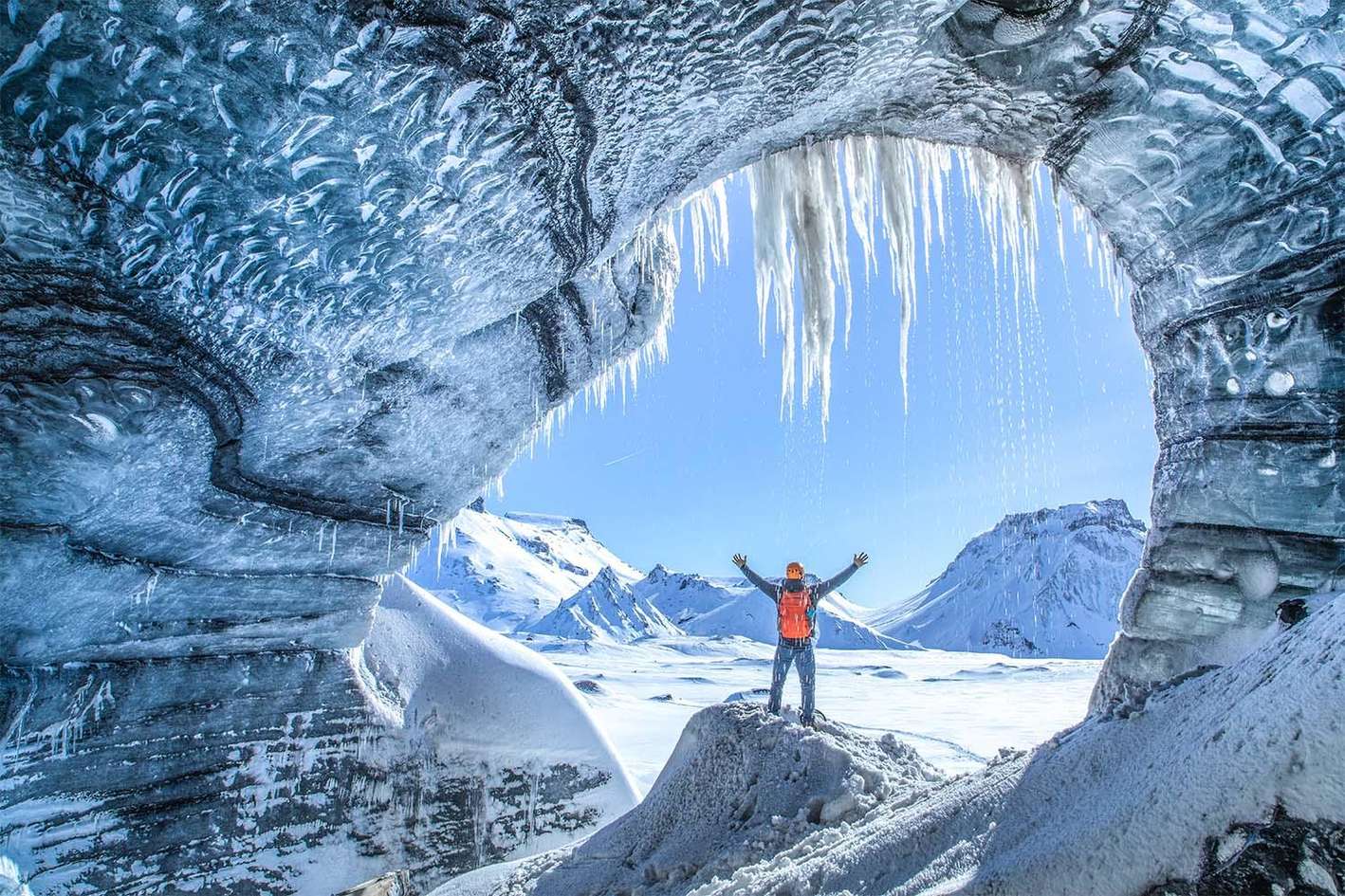
Changing iceThe cave you enter may differ from any photo you have seen, because melt and cold reshape the ice from season to season.
accessYou cannot walk onto Falljökull or enter any ice formation at Skaftafell on your own: a certified glacier guide and proper gear are required, and rangers close sites when the daily safety assessment finds conditions unsafe.
Book the guided Falljökull glacier hike from Skaftafell, which includes a guide, crampons, helmet, harness and ice axe, and check conditions with your operator on the morning of your tour.
Ice Cave tour from Skaftafell - pick your outing
rent hiking boots on site at skaftafell if yours lack ankle support
Cheapest on ice
3 hours·English
4.6(1,715)
Skaftafell: Falljokull Glacier Easy Group Hike
The lowest starting price of the three, a three-hour group hike with guide, crampons, helmet, harness and ice axe included.
Free cancellationSteaming coffee to warm you up after the iceIcelandic chocolates to sweeten the experience
book afternoon departures to suit your driving day
5 stopsabout 2 h6 places
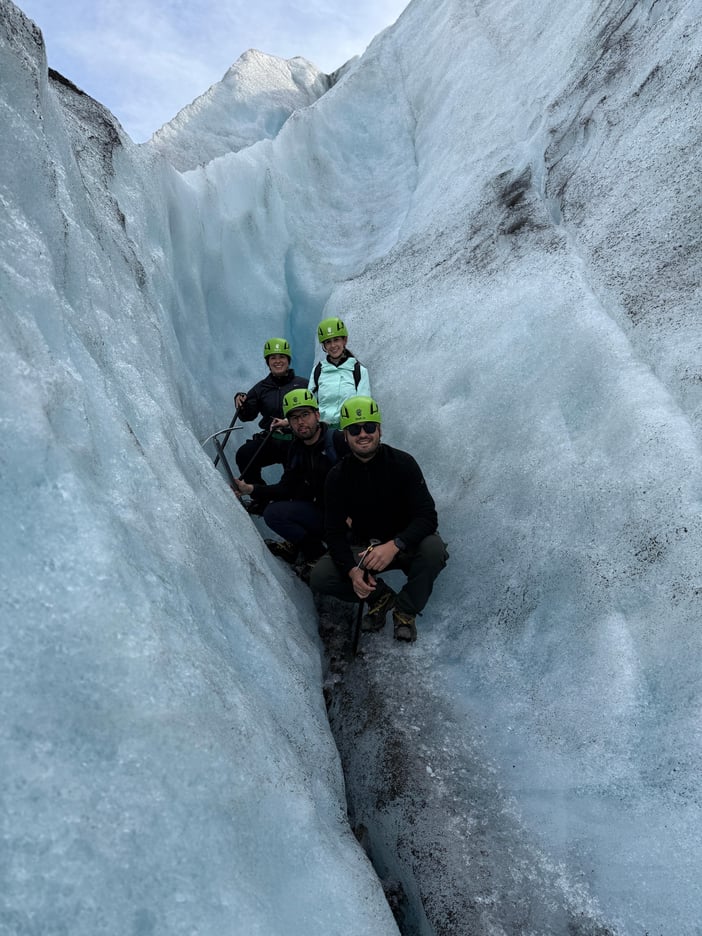
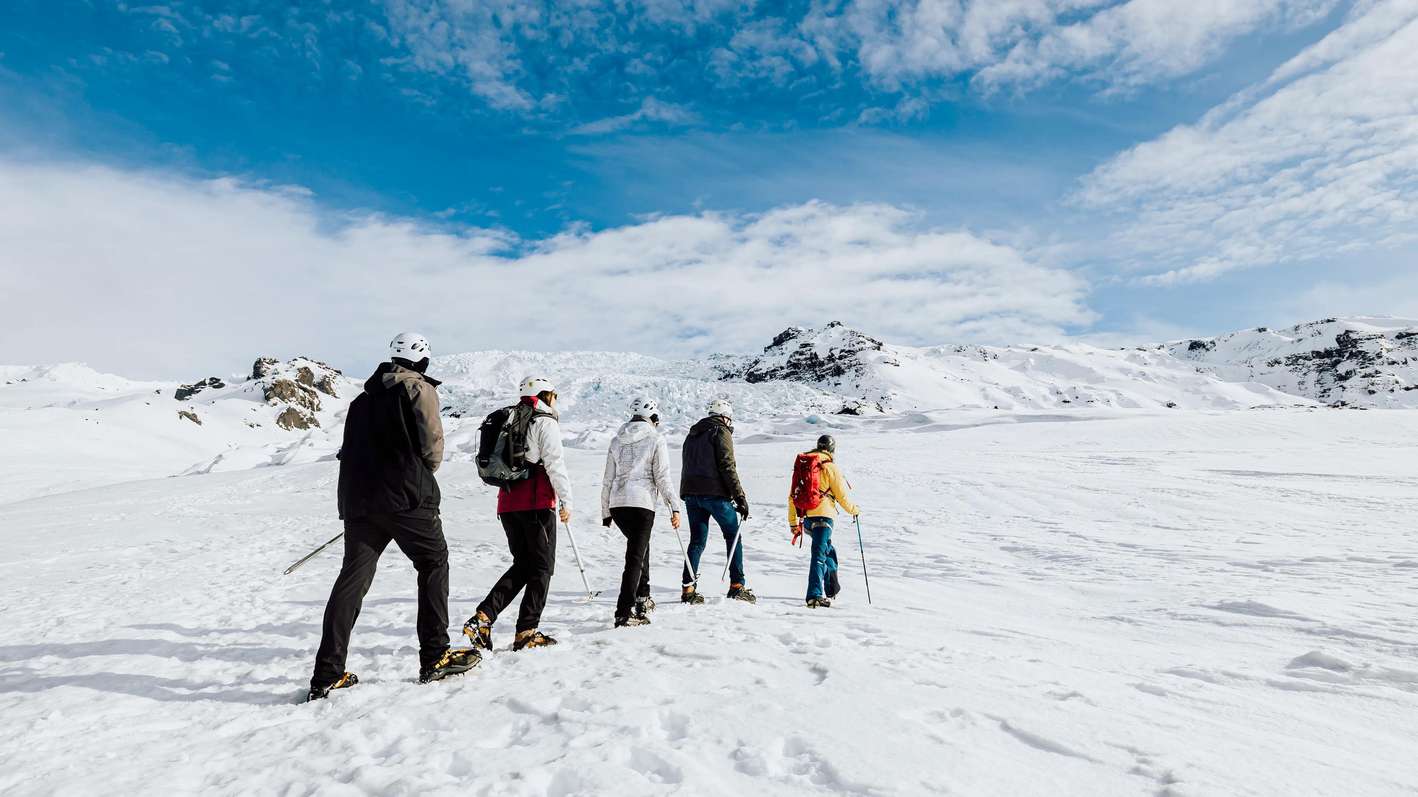
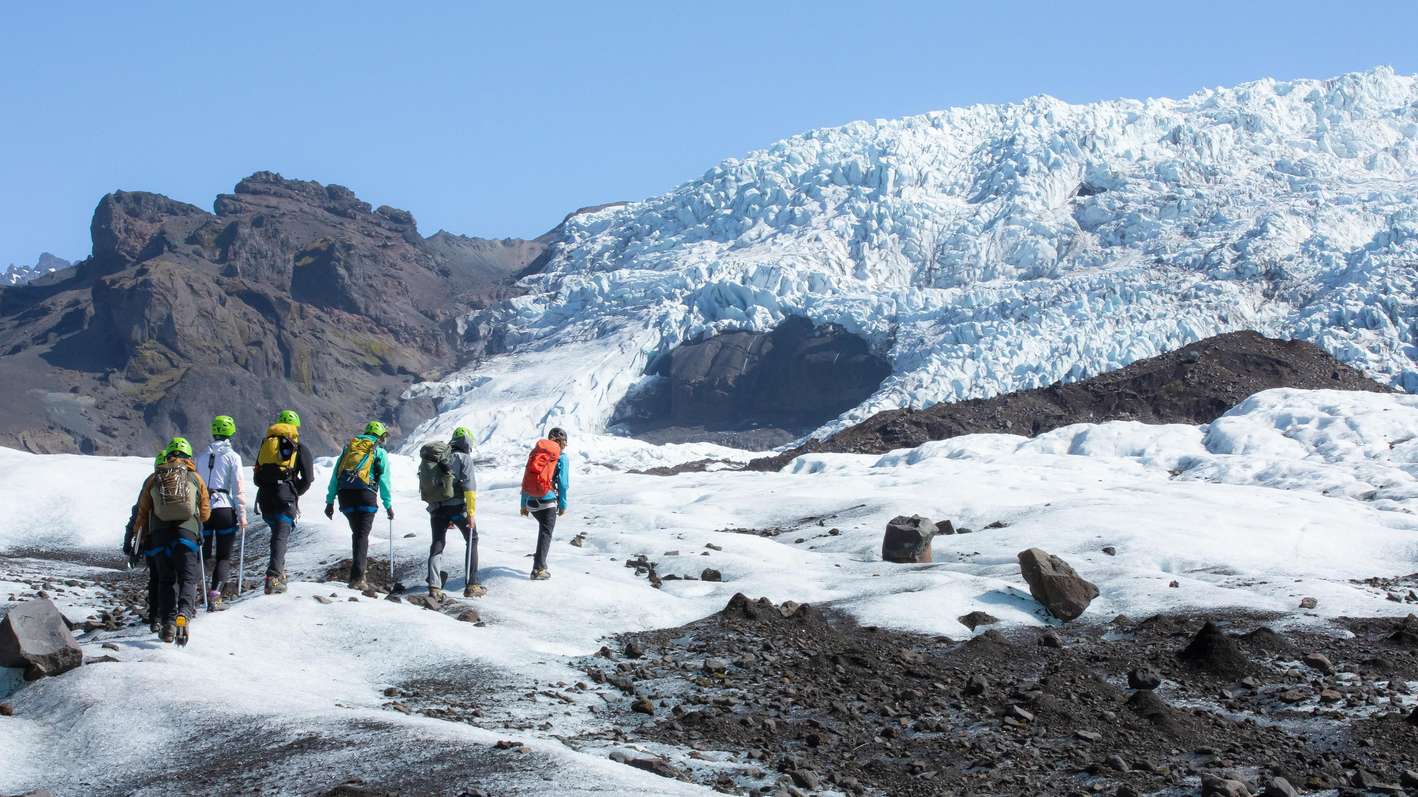
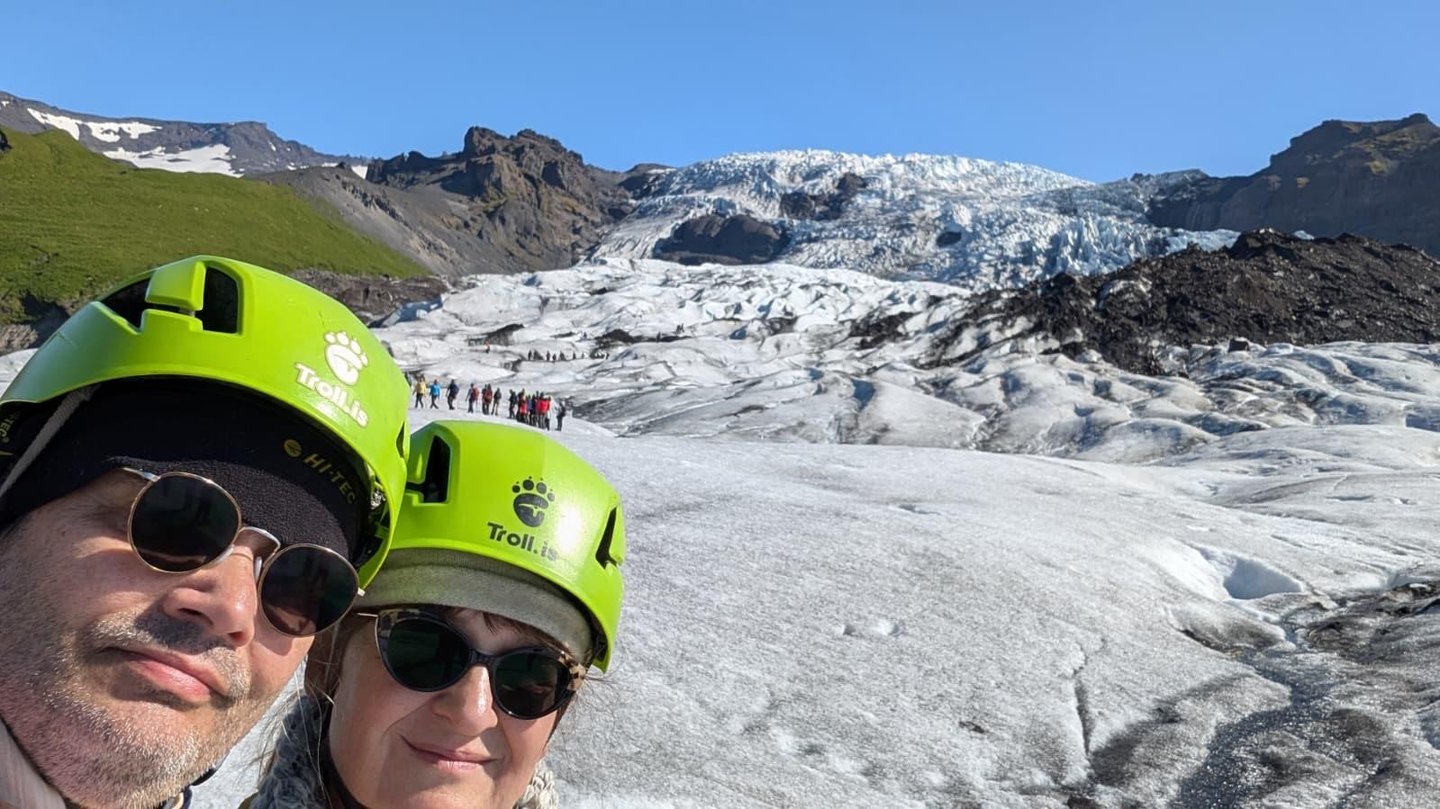
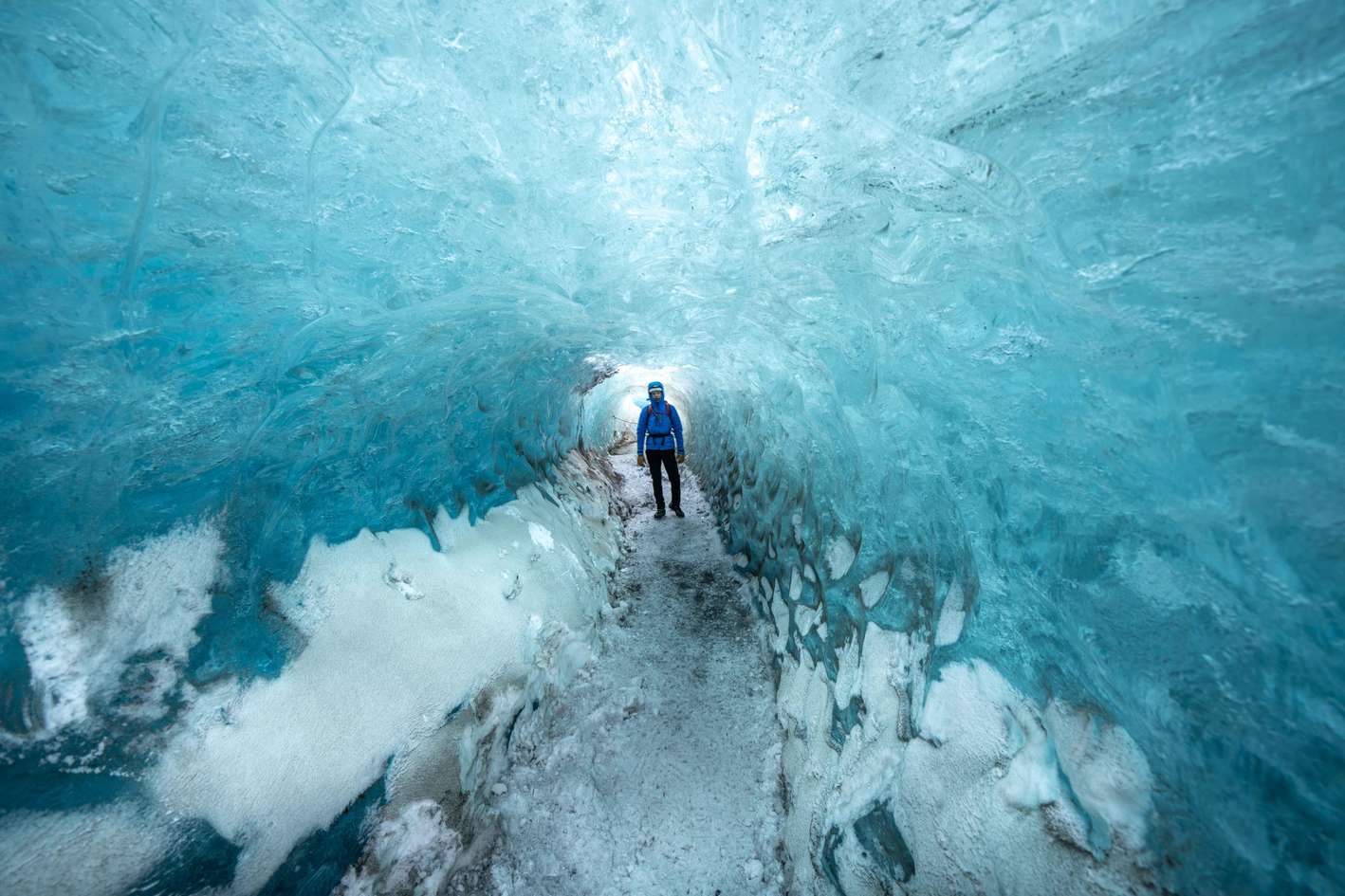
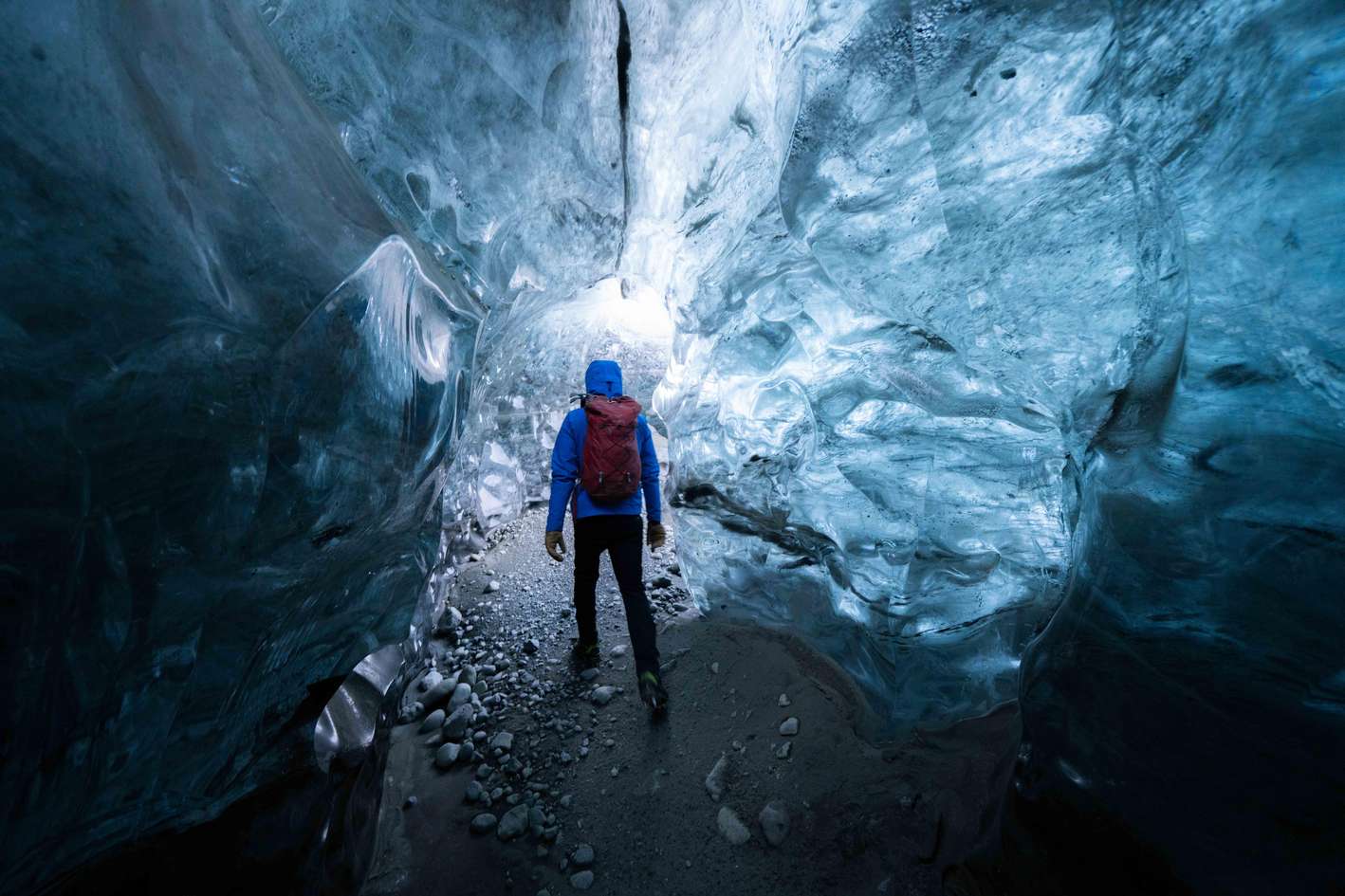
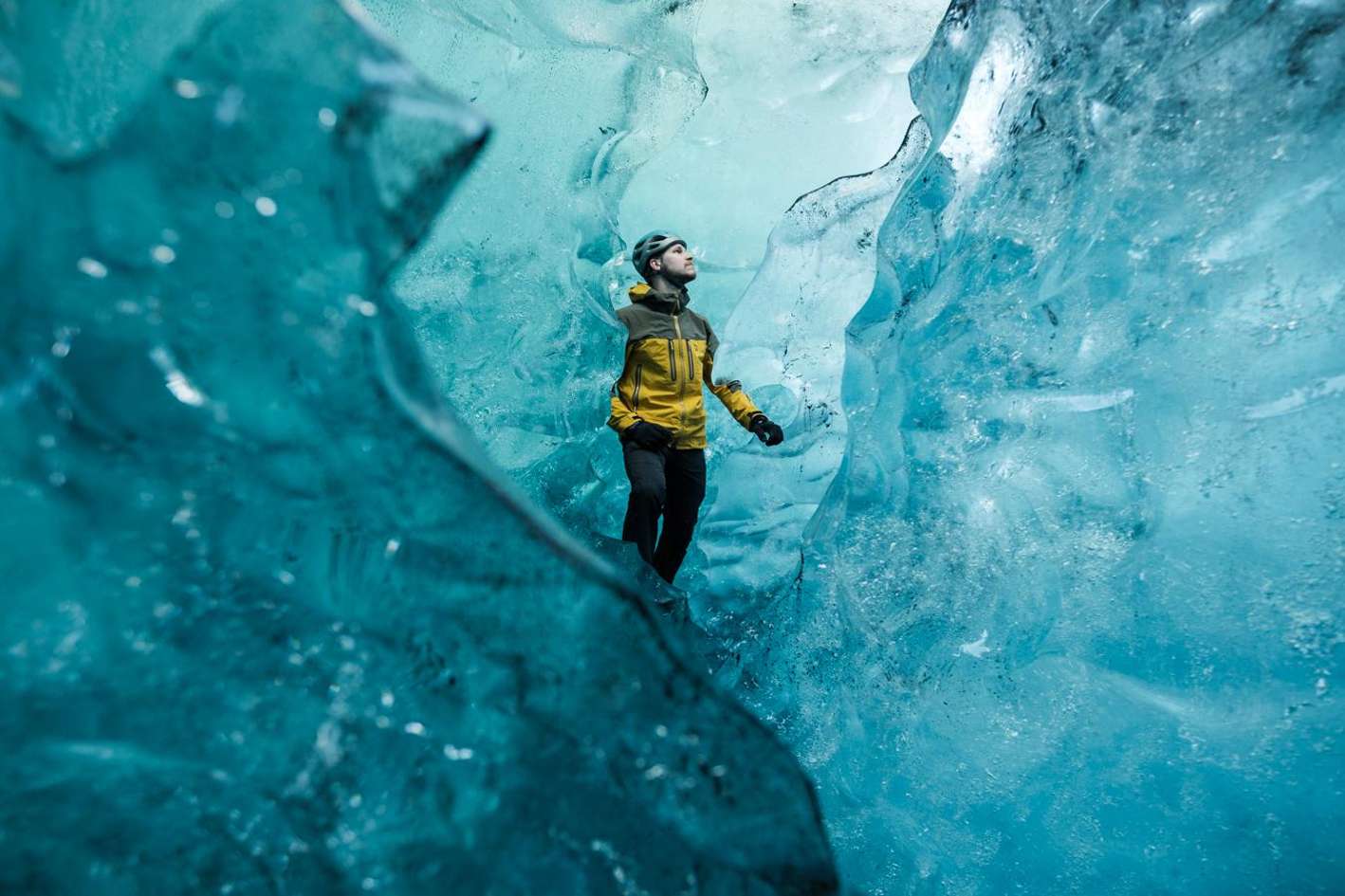
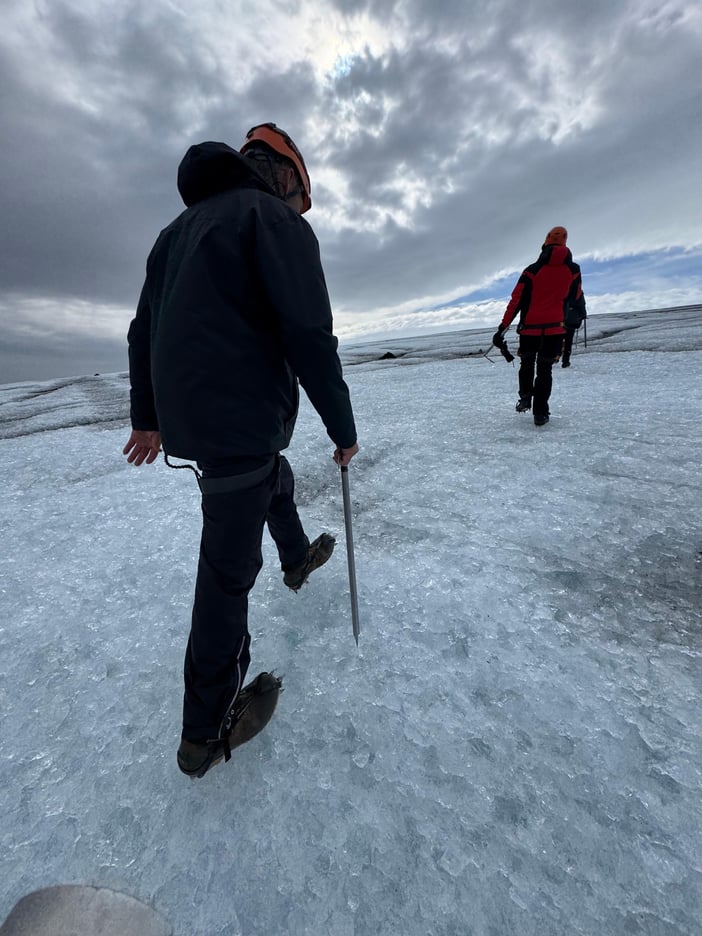
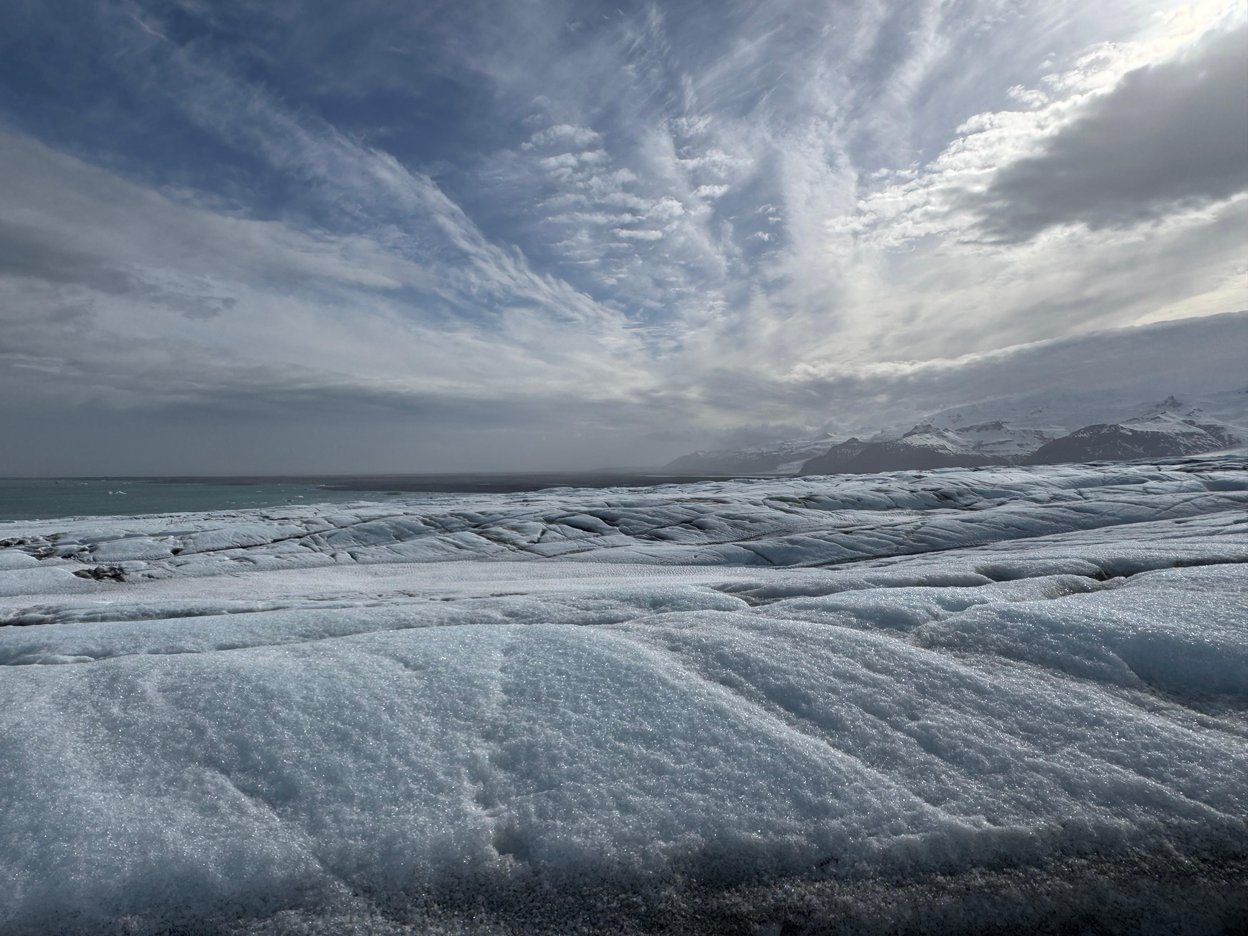
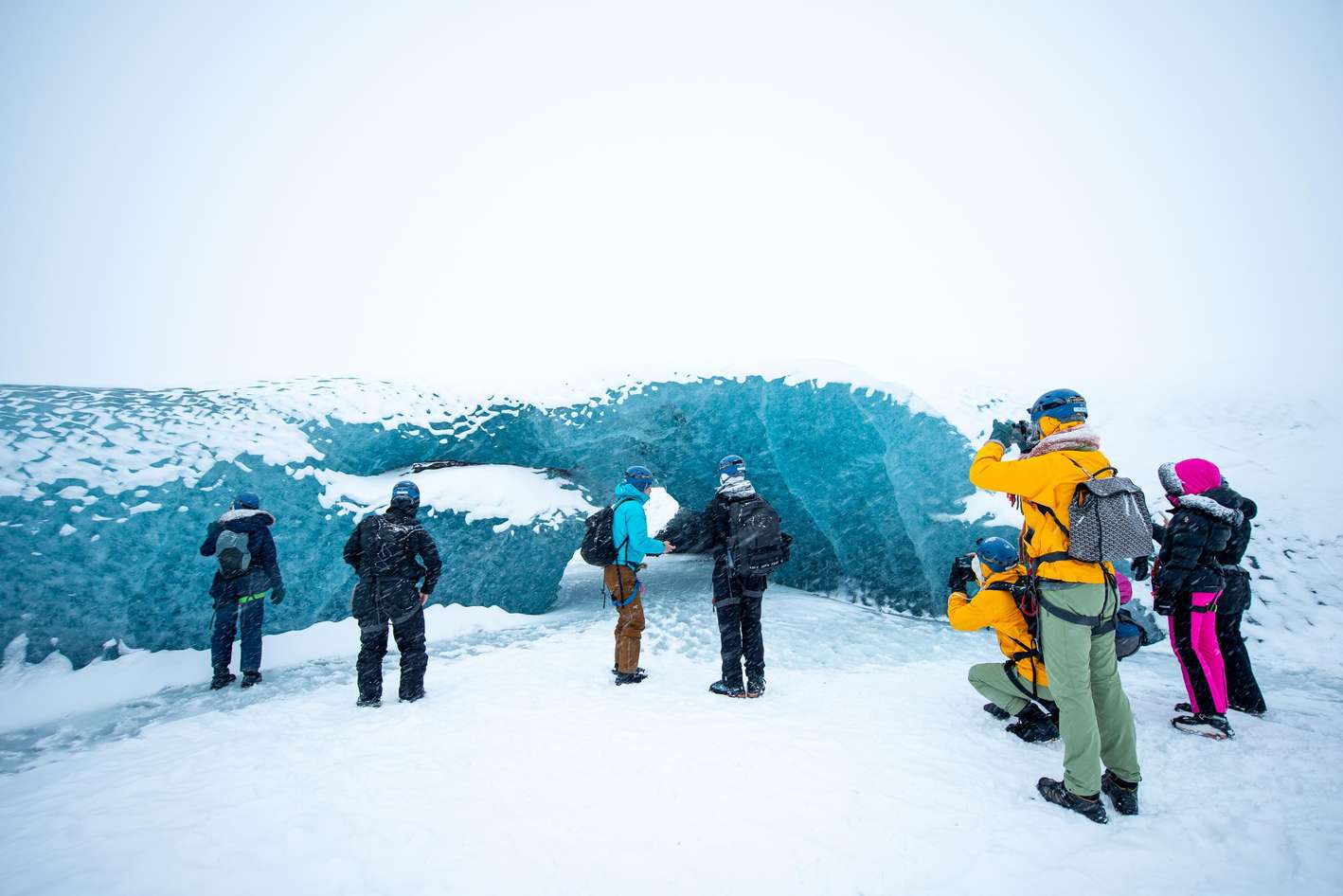
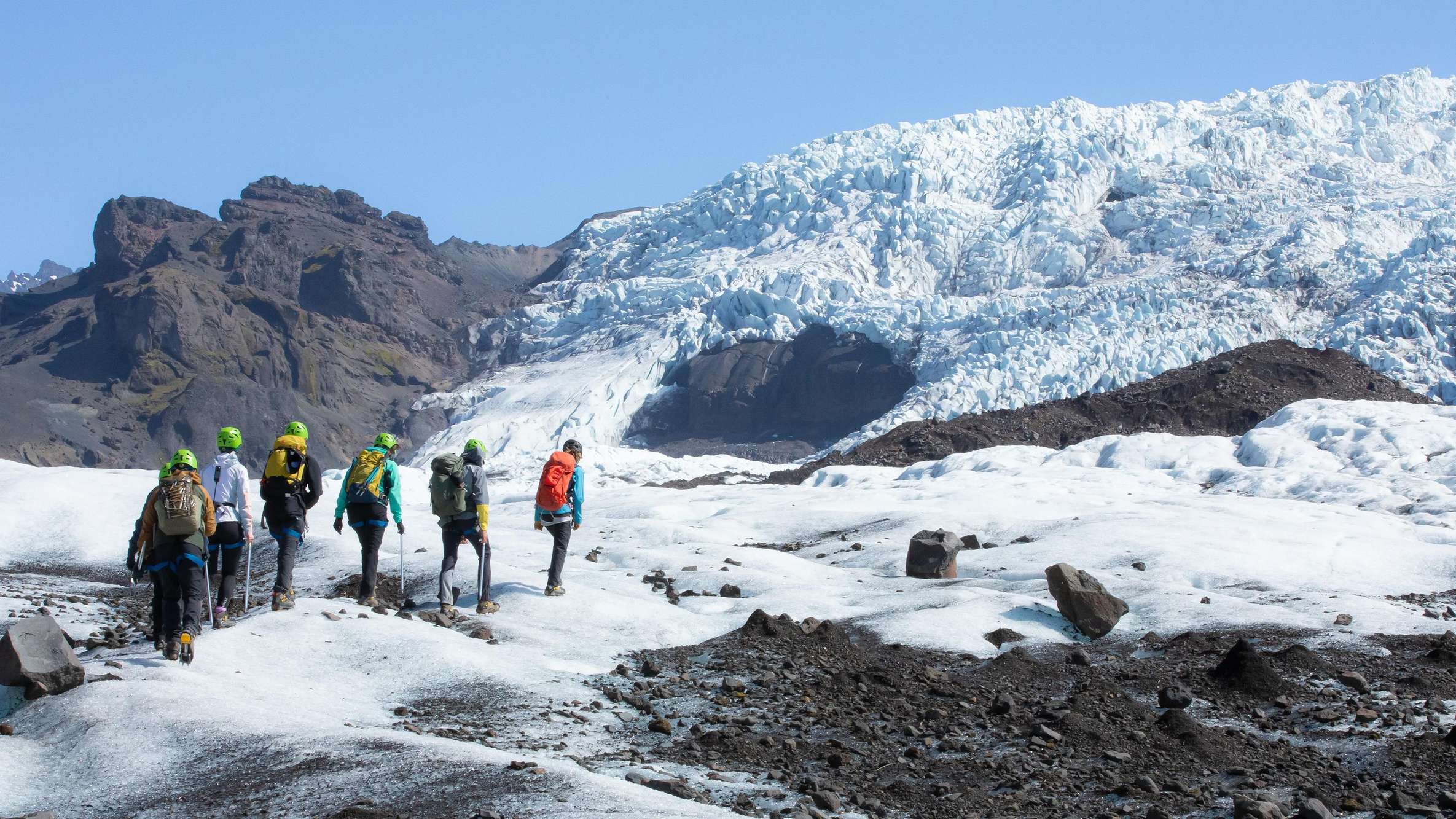
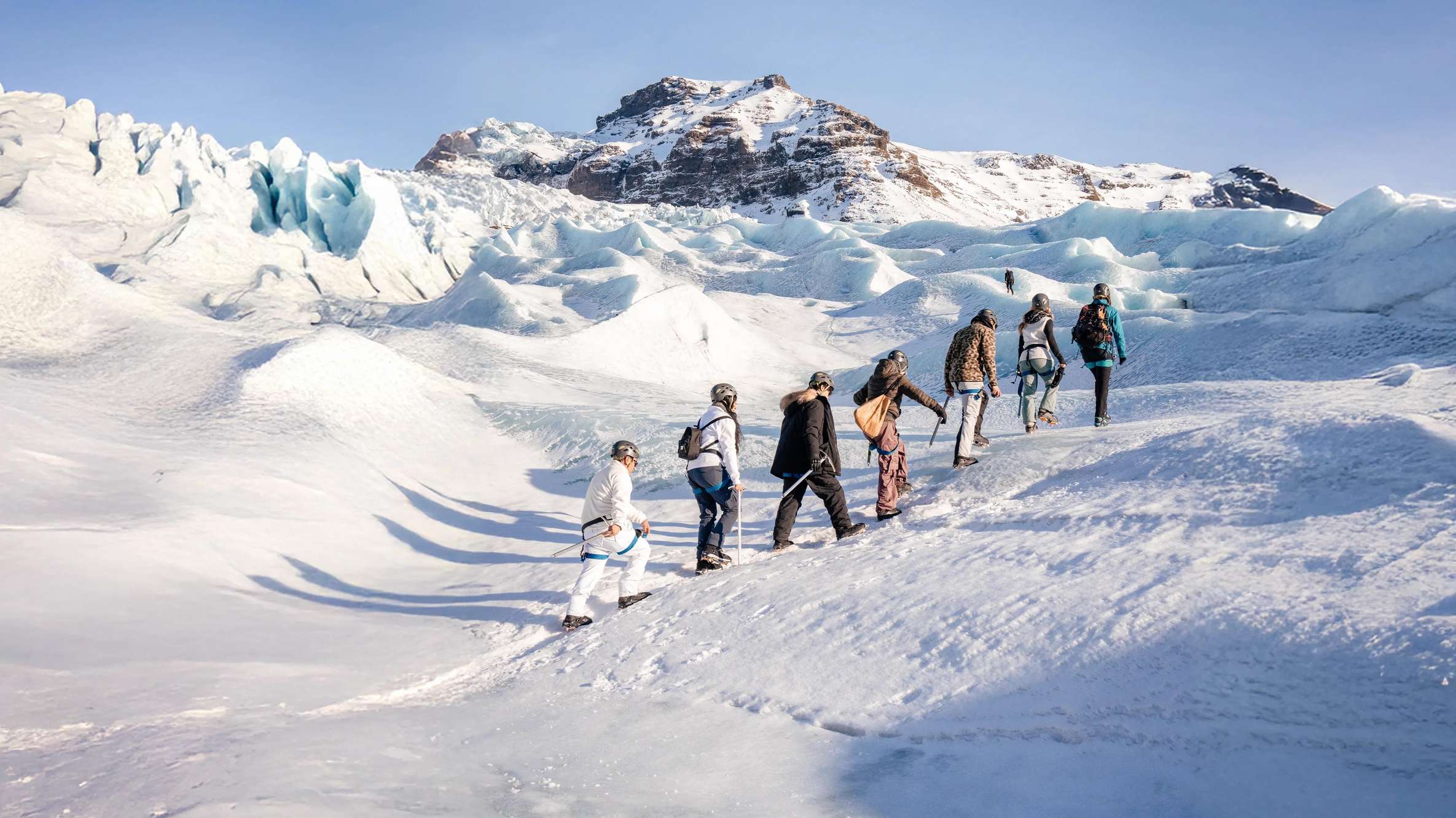
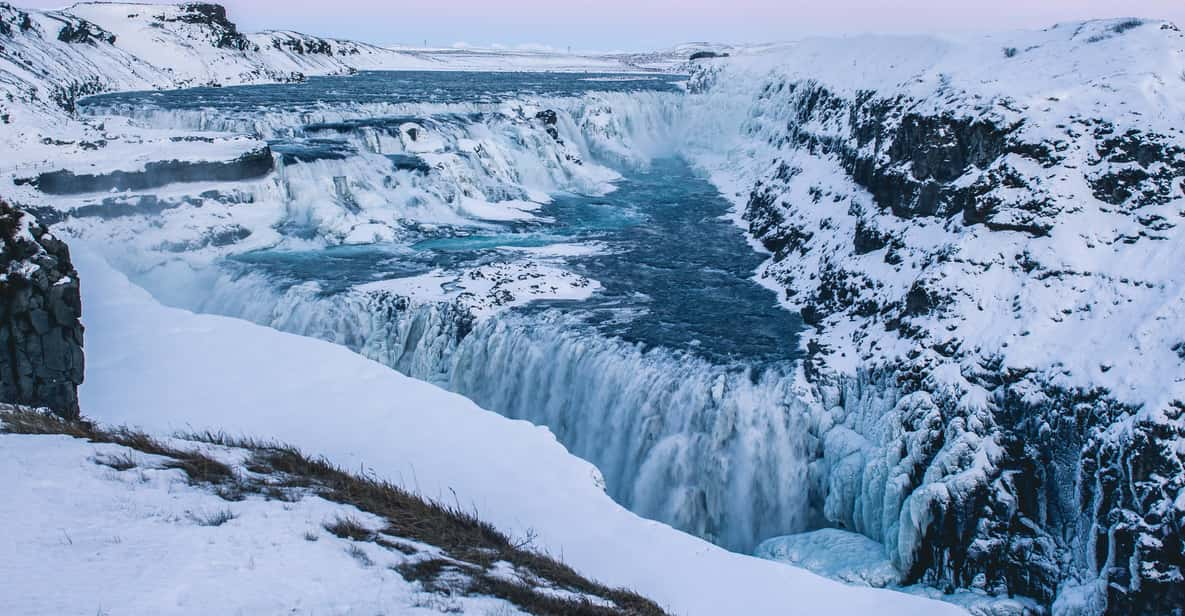
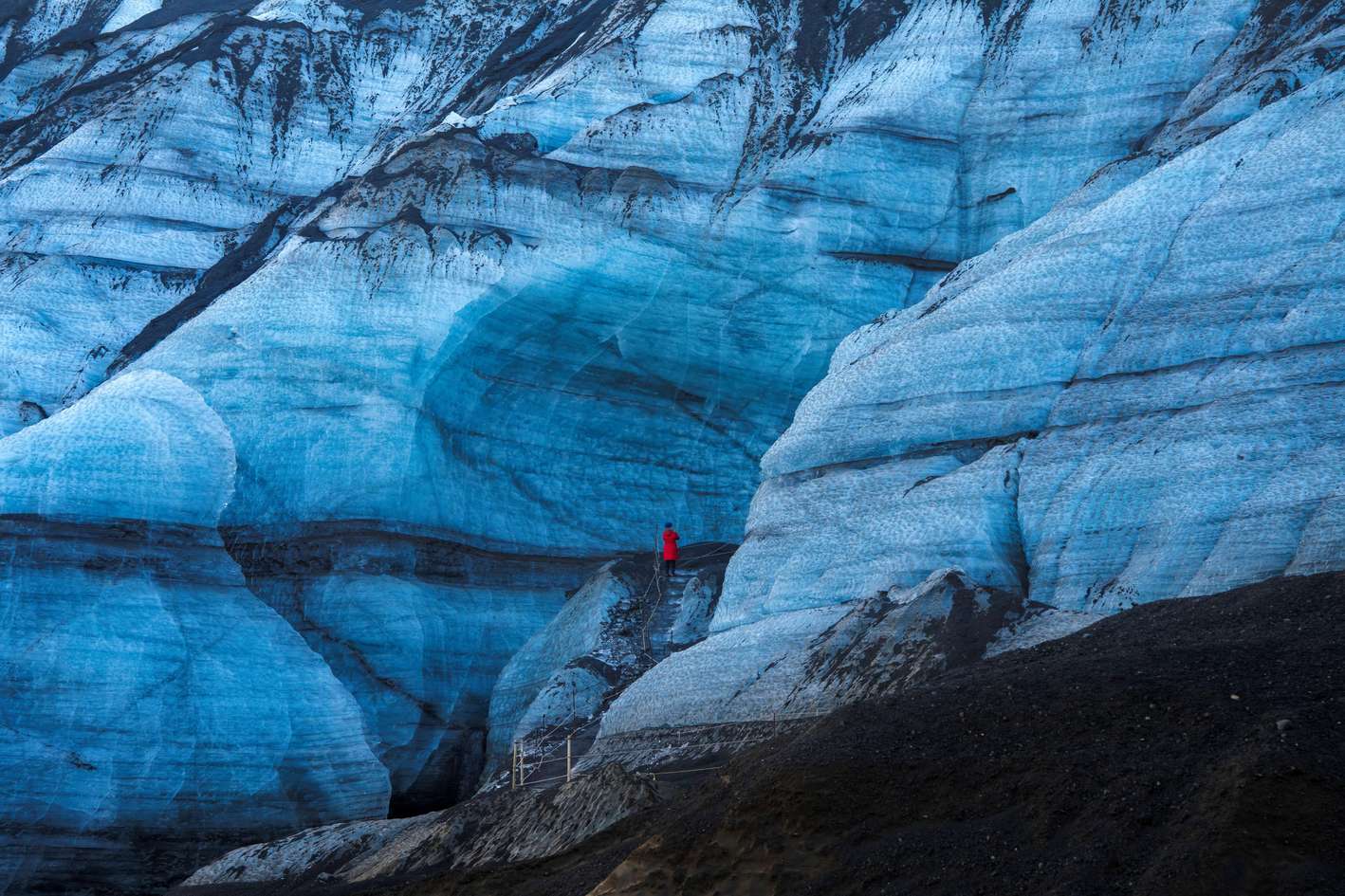
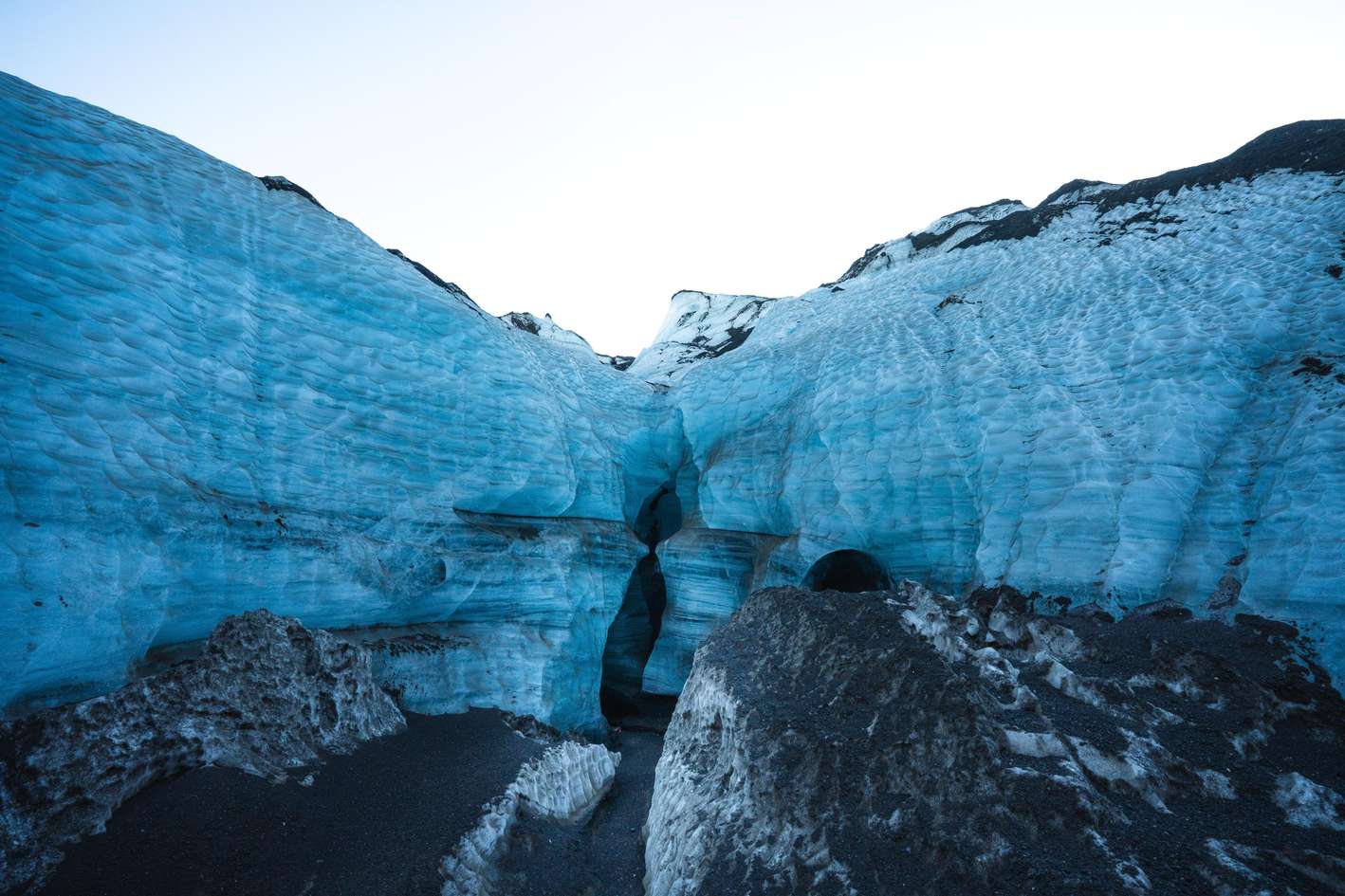
Blue ice streaked with volcanic ash is the point of this outing. You walk onto Falljökull, an outlet of Vatnajökull in the national park, and cross ice fractured into deep crevasses and sculpted seracs.
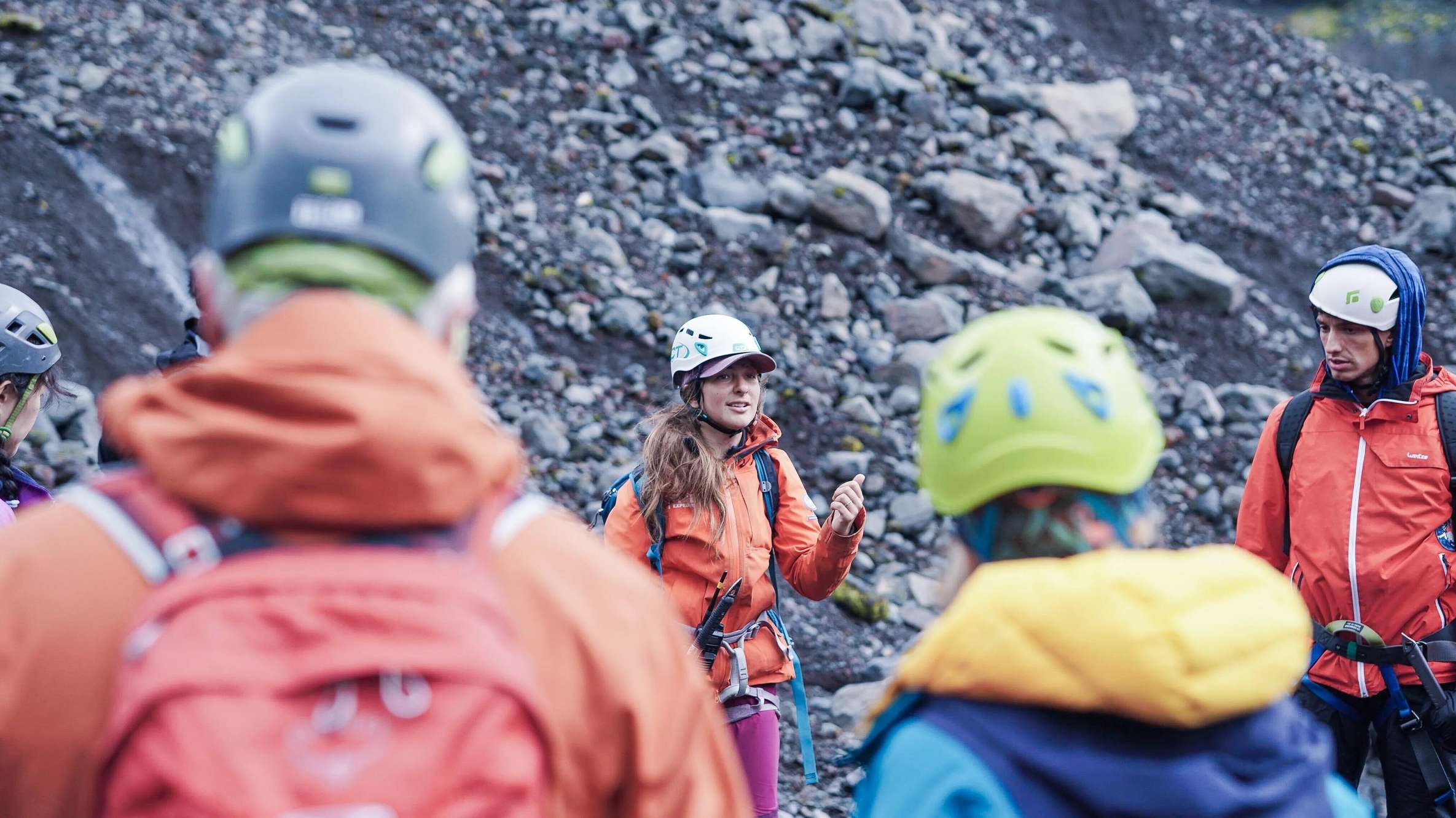
A rock ridge splits the glacier into two steep icefalls, and dark ash from past Öræfajökull eruptions shows up in bands through the compressed blue ice. Your guide explains how snow becomes ice, why deeper layers look bluer, and how the glacier keeps changing.
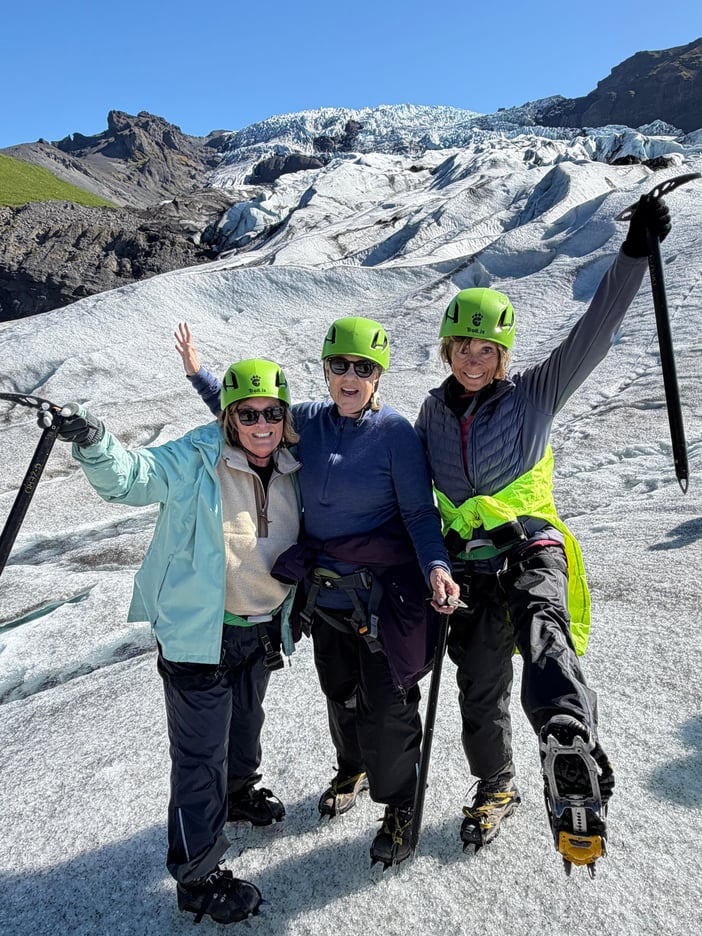
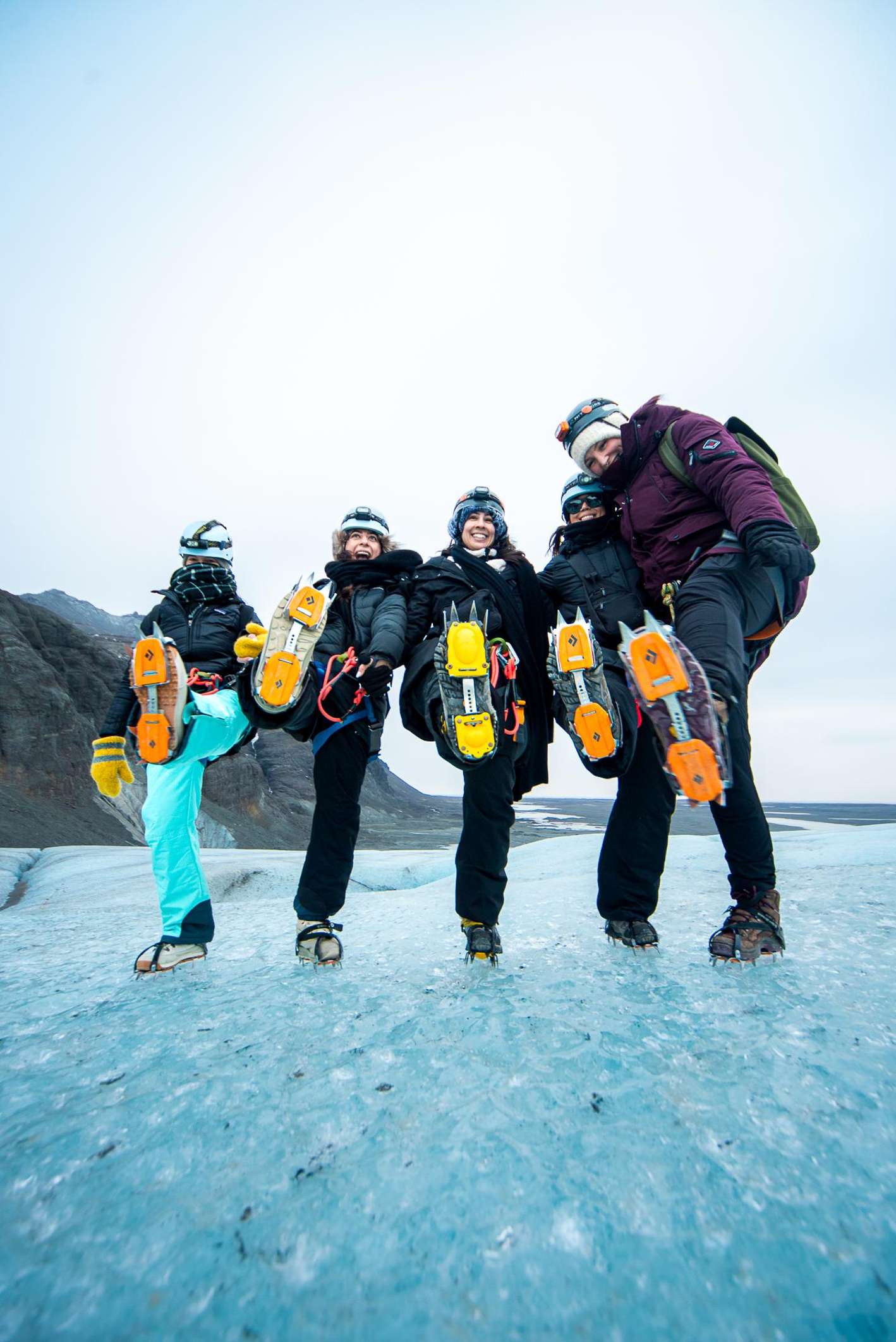
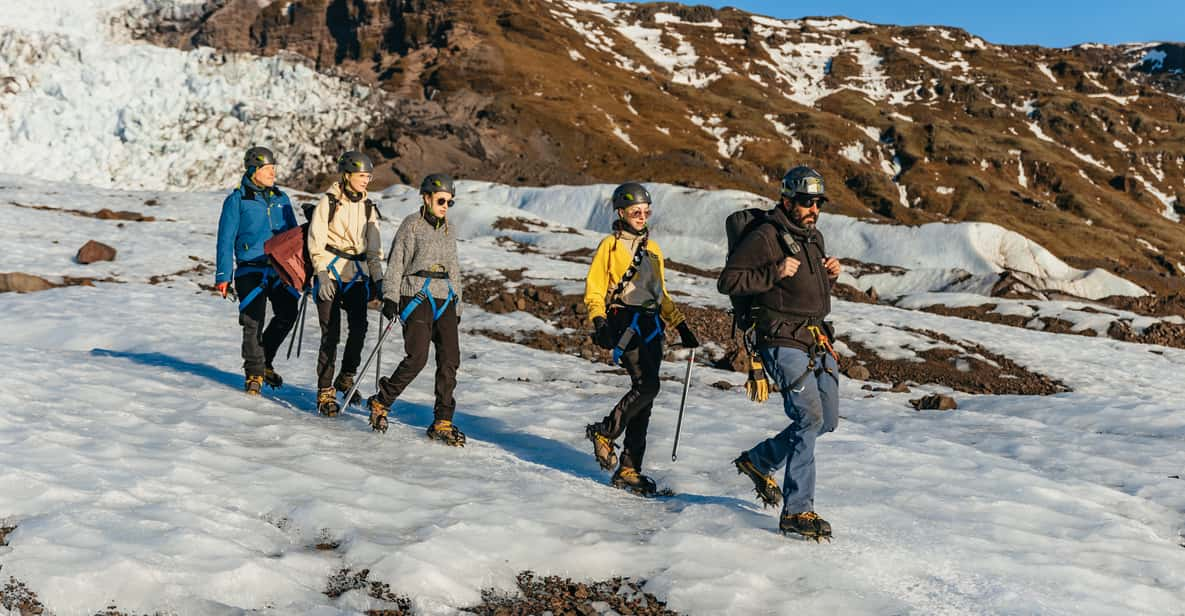
The three-hour easy group hike includes crampons, helmet, harness and ice axe, plus coffee and Icelandic chocolates when you come off the ice. Hiking boots and waterproof jacket and pants are not included, but you can rent both on site. Free parking sits at the meeting point.
Meeting point2 places, depending on your optionThe tour ends at the same wooden hut, with free parking right by the lot for your onward drive along the South Coast.From this tourStop 2Vatnajökull National Park· 15 minThe same 15-minute route back from the glacier edge to the base, off the ice and out of the crampons.From this tourStop 3Falljökull· 90 minAbout 90 minutes on the ice with crampons. You walk among crevasses and seracs, may look into deep moulins, and hear how volcanic ash ended up layered in the blue ice.Stop 4Vatnajökull National Park· 15 minThe same 15-minute route back from the glacier edge to the base, off the ice and out of the crampons.From this tourDrop-off2 places, depending on your optionBack at the hut, gear gets returned and steaming coffee with Icelandic chocolates is waiting after the hike.From this tour
Included
Expert glacier guide to lead your unforgettable adventureAll essential glacier gear, crampons, helmet, harness & ice axeSteaming coffee to warm you up after the iceIcelandic chocolates to sweeten the experiencefree parking - no extra parking fees at the meeting point
Not included
Hiking boots (available to rent)Waterproof jacket and pants (available to rent)
Where the other tours go
Tröll Expeditions Jökulsárlón (Glacier Lagoon)Vatnajökull National ParkBlue Ice Cave
From Jökulsárlón: Crystal Blue Ice Cave Super Jeep Tour
free parking at the hut, pay the regional fee in the parka app
1. Pick your date and season
Choose your day on the booking page. The Falljökull glacier hike runs year-round, and in summer it is the way to see Skaftafell's ice formations up close when the seasonal ice caves on other glaciers stay closed.
Pro tipCheck the weather two days out so a storm day can be rescheduled before the cancellation window closes
RecommendedCancel up to 24 hours ahead for a full refund, so book early and change later if the forecast turns
2. Choose your departure slot
The tour runs as a 3-hour group hike with a morning departure and a late-afternoon slot at 4:30 pm. Both follow the same route with a glacier guide; the afternoon option sits at the lower rate.
Common mistakeBooking the 4:30 pm slot in midwinter and then racing the last daylight, since Skaftafell sees under five hours of light in December
RecommendedThe earliest slot gives you the day free for Svartifoss and the drive east afterward
3. Note what to bring and rent
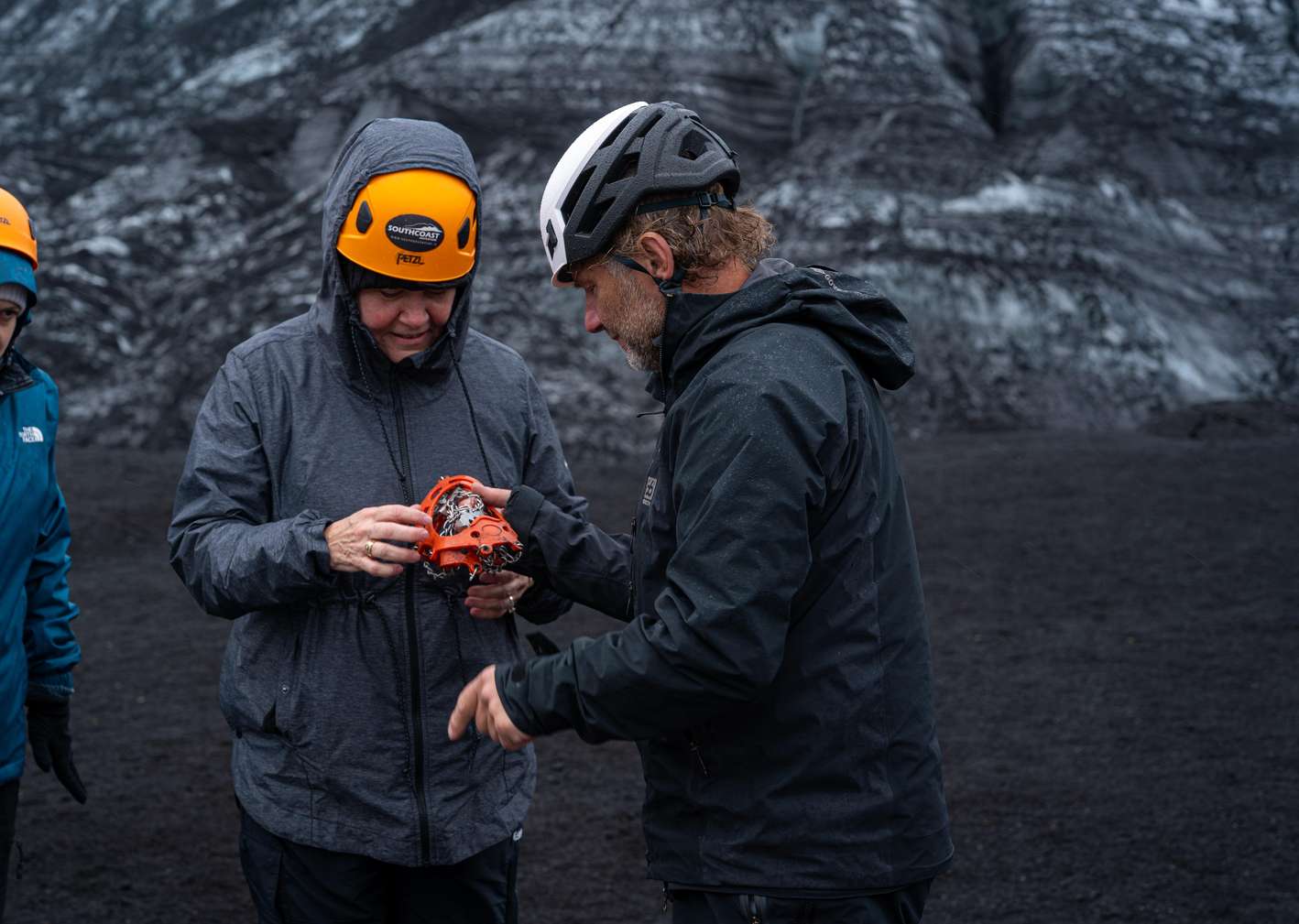
The tour provides crampons, a helmet, a harness, an ice axe and coffee after the ice. Bring your own hiking shoes and hiking pants; boots and waterproof jacket and pants can be rented at the meeting point if you lack them.
ImportantChildren under 8 cannot join this hike, so book the family onto a different glacier outing that day
RecommendedPack spare socks, since melting ice and puddles can soak footwear on the approach
4. Plan the drive and parking
Skaftafell sits about 4.5 hours from Reykjavík by road, and Route 1 east of Vík can close in winter storms, so leave buffer time. Parking at the meeting point is free with the tour, and you can pay the Skaftafell regional fee in the Parka app or at the machines.
Common mistakeArriving with minutes to spare, because guides fit gear and harnesses before the bus leaves and late arrivals hold up the group
Pro tipRegister your license plate in the Parka app while waiting, then the payment is settled before you step onto the ice
5. Find the meeting point on the day
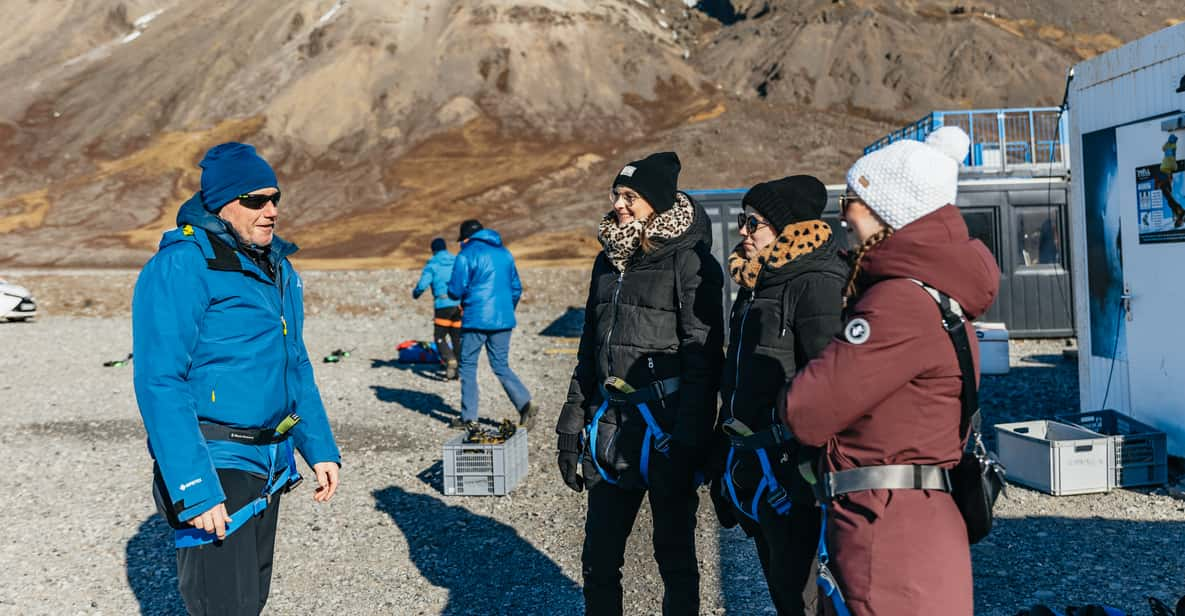
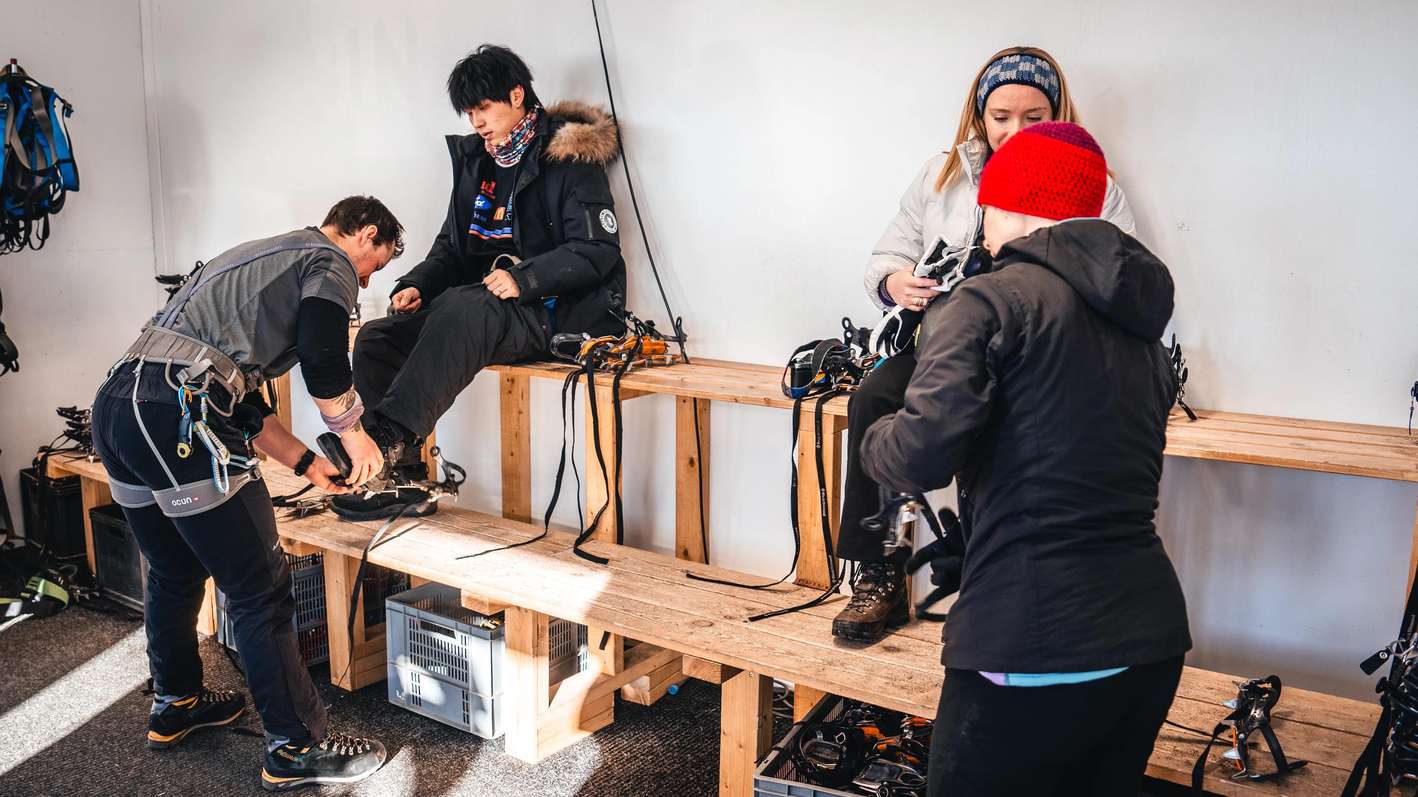
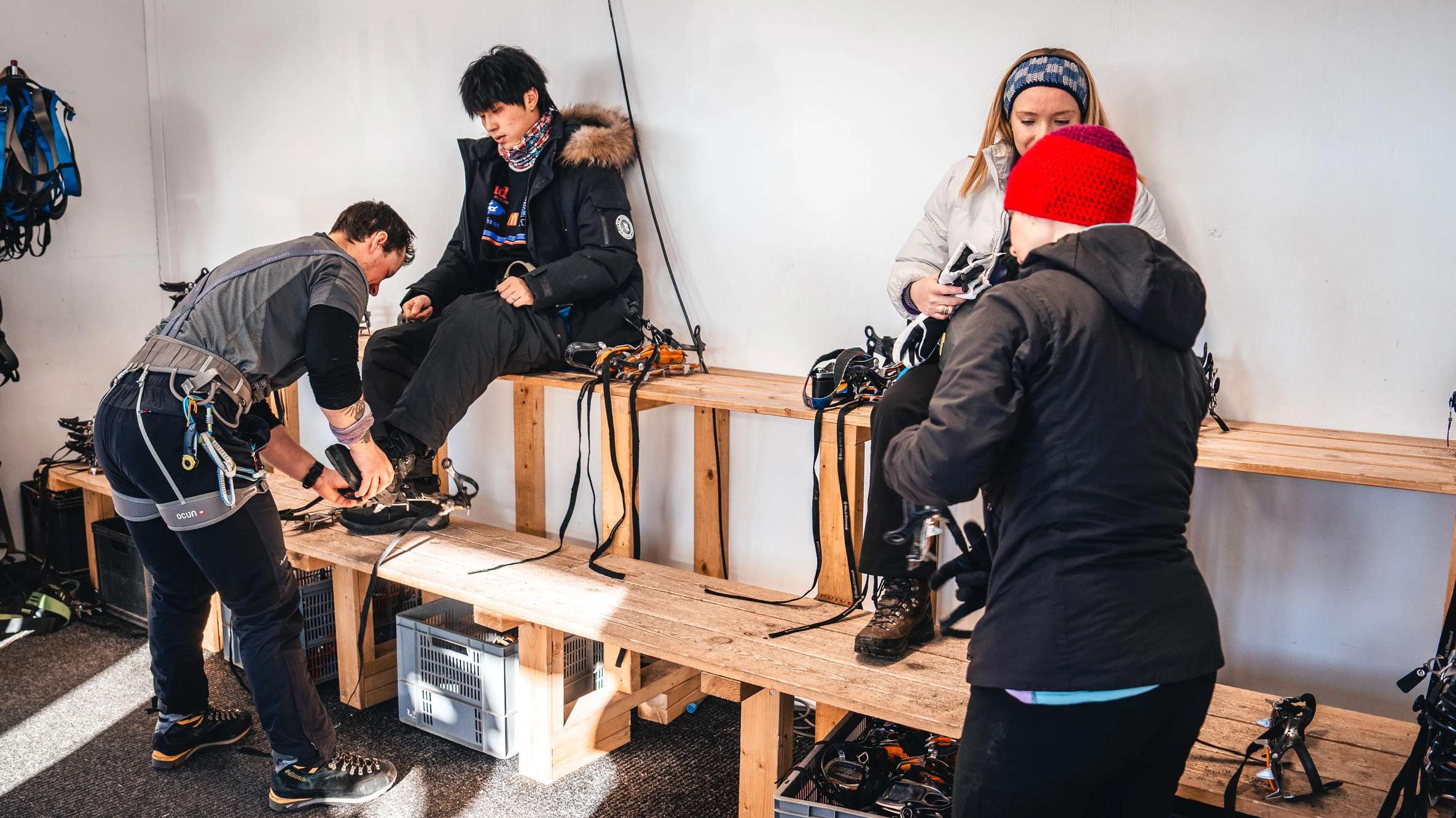
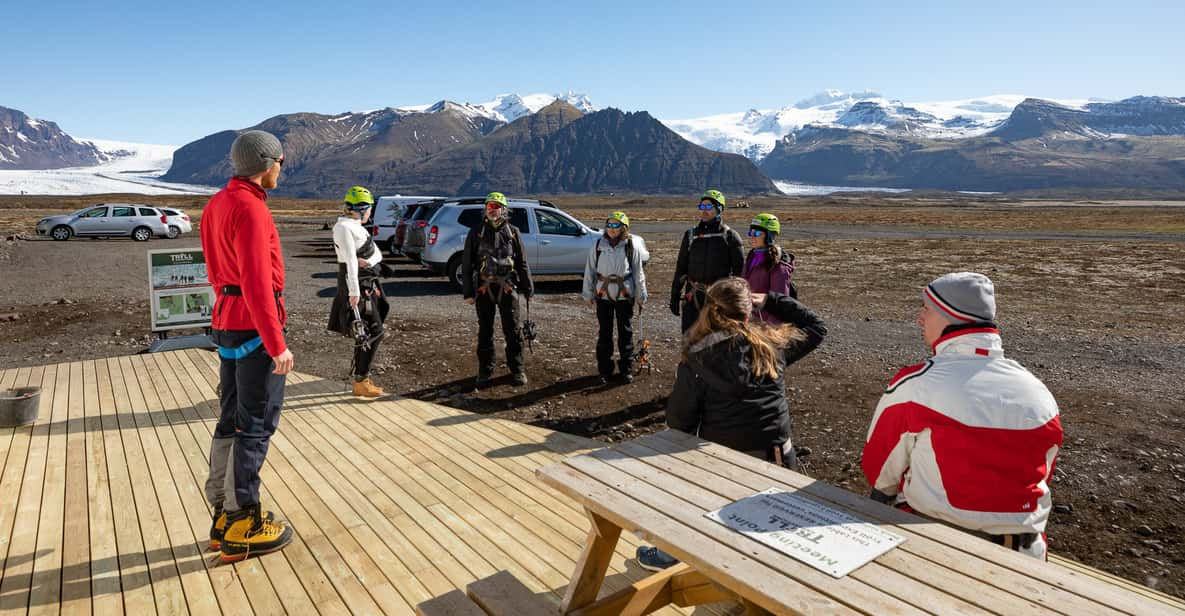
Meet at the Skaftafell Hut by the Visitor Center 20 minutes before departure. Look for the wooden hut next to the parking lot; your guide fits you with crampons and a helmet there before the short bus ride to the glacier.
RecommendedUse the restrooms and fill water bottles at the Skaftafell campsite first, since there are no facilities between the Visitor Centre and the glacier
Pro tipWear your warm layers to the meeting point, because the shelter is small and fitting time goes faster with boots already on
What to know before you book a Skaftafell glacier tour
arrive 20 min early, gear fitting takes longer than you think
Can stop the dayGood to knowGood news
01
ChoosingWhat it is, who it suits, when to go
5
Facilities
Use the restrooms and fill your water bottle at the Visitor Center area before you go. There is a cafeteria at the Skaftafell campsite, but no facilities of any kind out on the glacier trails. Plan your last stop accordingly.
Time on ice
A three-hour hike gives you 1 to 1.5 hours actually standing on the ice. The rest goes to a short drive, gear fitting, and a 15-minute walk to the edge of the glacier. Most people find the pacing relaxed.
Included gear
The hike includes a glacier guide, crampons, helmet, harness, and ice axe, plus a hot coffee and Icelandic chocolate afterward. Waterproof jackets and pants are not included, though you can rent both on site.
Crevasses
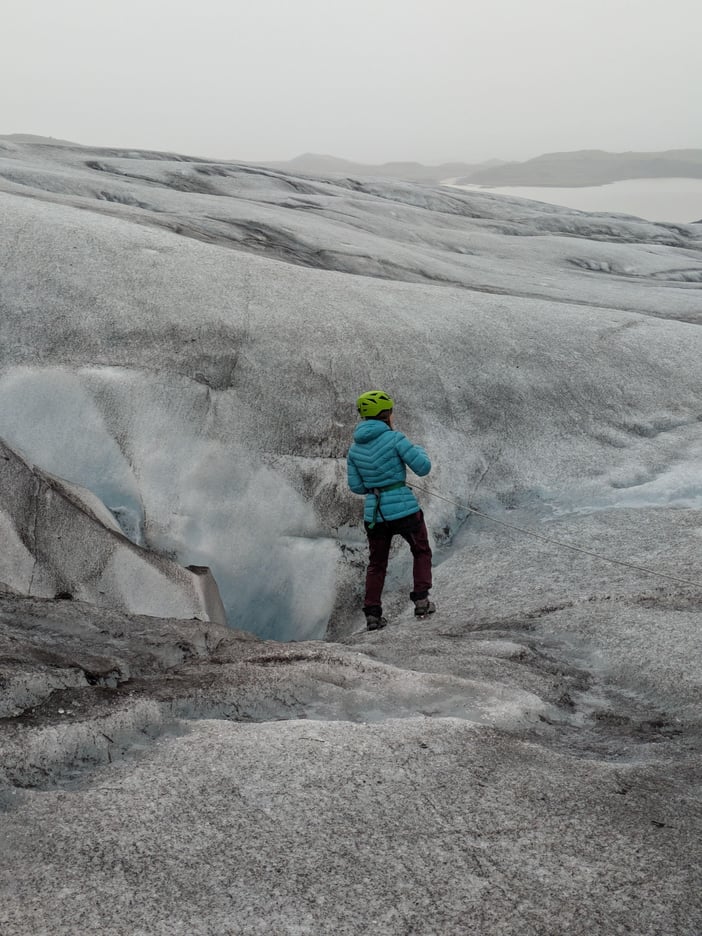
Falljökull is a heavily crevassed icefall split by a rock ridge, and the hike may pass deep moulins that you look down into from above. Your guide sets the route and keeps the group on the safe line the whole time.
Same-day plan
Skaftafell has short, easy trails that pair well with a glacier hike. The loop to Svartifoss waterfall takes about two hours and passes two smaller falls on the way, so it fits neatly before an afternoon departure.
02
BookingHow far ahead, and what happens if plans change
1
Cancellation
You can cancel up to 24 hours before departure for a full refund. If the operator cancels because of weather or unsafe glacier conditions, you are also covered with a full refund or a free reschedule.
03
Before you goPapers, health, what to bring
4
BootsCan stop the day
Crampons need a high-top hiking boot with a stiff sole and a snug fit around the ankle. Sneakers and soft shoes will be turned away at the gear check. If your own boots fail, hiking boots are available to rent on site.
Age limit
Children must be at least 8 years old to join the Falljökull group hike. There is no flexibility on this rule, so if you have younger kids, look at the ice cave tours that take children from age 6.
Layering
Wear a wool or synthetic base layer, a fleece or wool mid-layer, and waterproof jacket and trousers over hiking pants. Avoid cotton. You will sweat on the uphill climb and cool down fast in the wind, so pick layers you can shed or add.
Rental gear
If your own boots or rain gear let you down, you can rent hiking boots and waterproof jackets and pants right at the Skaftafell meeting point. No need to drive back to a town for extra shopping.
04
On the dayWhere to be, when, and how you get there
2
Meeting point
The glacier tour meets at the Skaftafell hut by the Visitor Center. It is a wooden hut next to the parking lot, so keep an eye out for it as you pull in. Arrive 20 minutes before departure to check in and get fitted.
Parking
Self-drivers pay the Skaftafell parking fee either in the Parka app or at the machines by the lot. Register your license plate before you head out with the guide. The glacier hike itself includes free parking at its meeting point.
Inside the Skaftafell ice caves - what your day really gives you
boots rent at the hut if yours fail the check
You are already driving the South Coast, and the ice is closer than you think. This guide settles what a Skaftafell glacier day is worth, which outing fits your legs, and how the three hours unfold.
If you only remember three things
1
1. Glacier hikes run year-round; natural ice caves on Vatnajökull open only from October or November to late April.
2
2. A three-hour Skaftafell outing puts you 1 to 1.5 hours on the ice, after a 15-minute walk to the edge.
3
3. Wear stiff, high-top boots with ankle support: soft shoes can get you turned away at the gear check.
Is standing on a glacier at Skaftafell worth it
The question behind every Skaftafell stop is whether an hour on the ice justifies the price of a guided outing. It helps to know what you are actually paying to stand on.
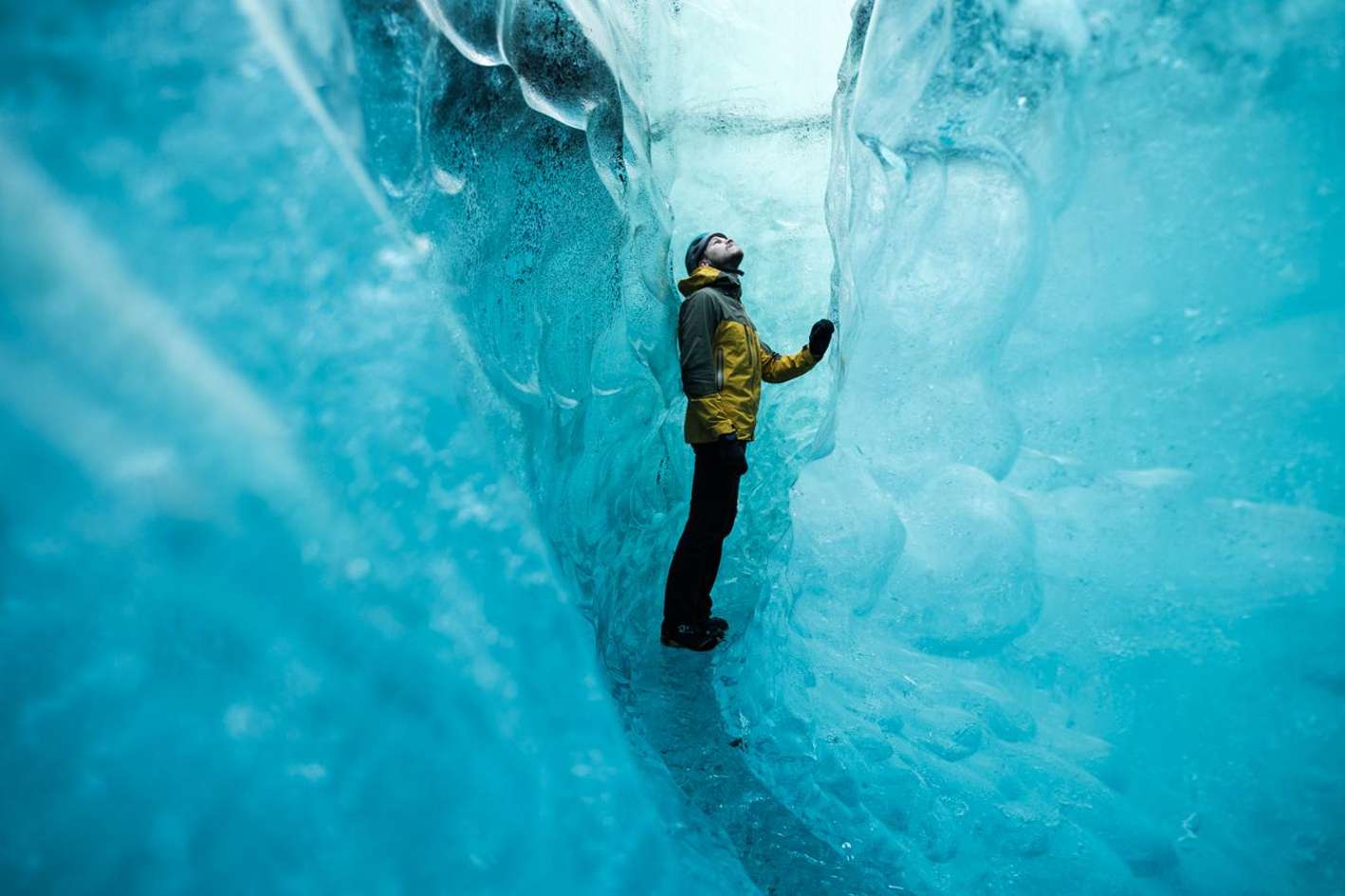
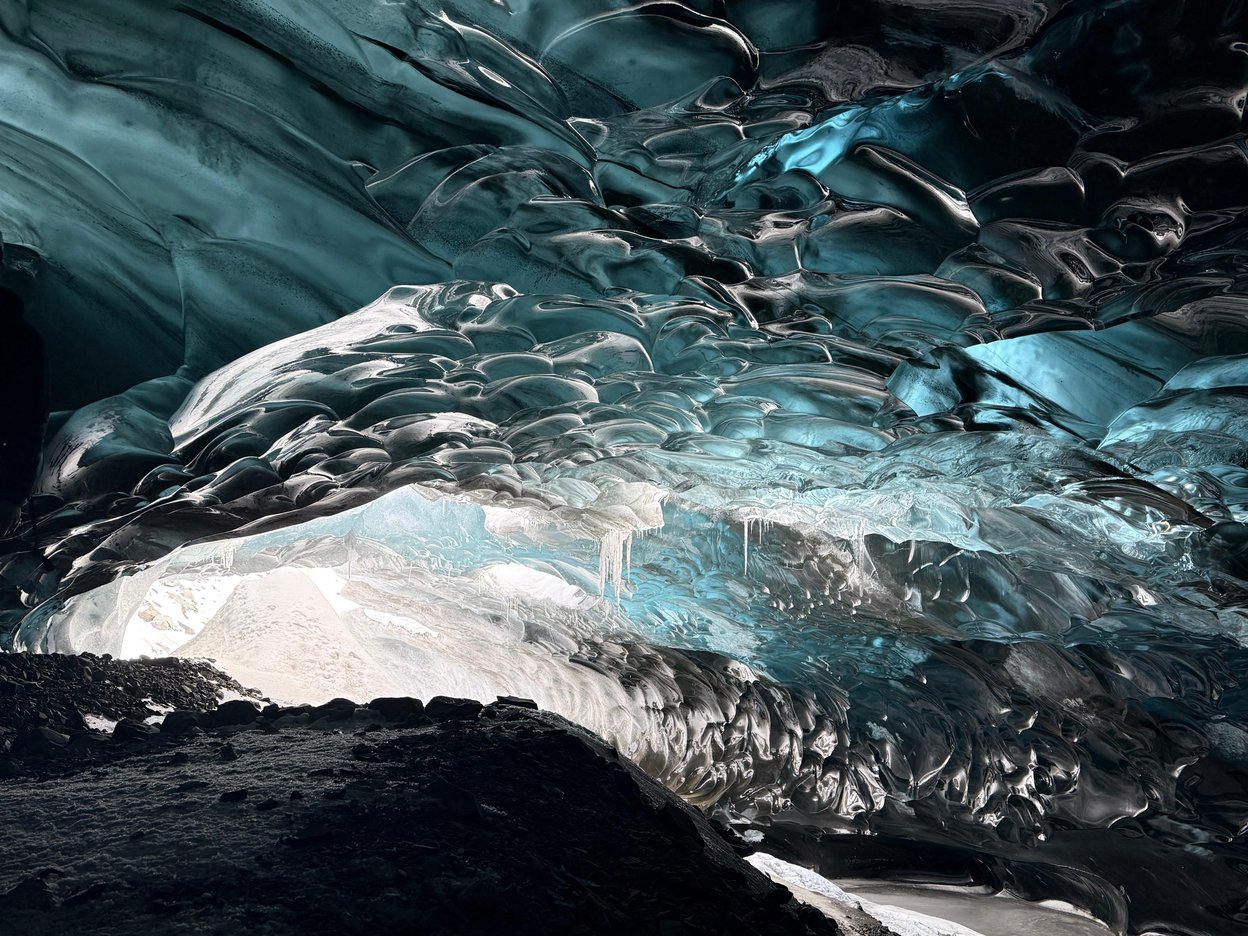
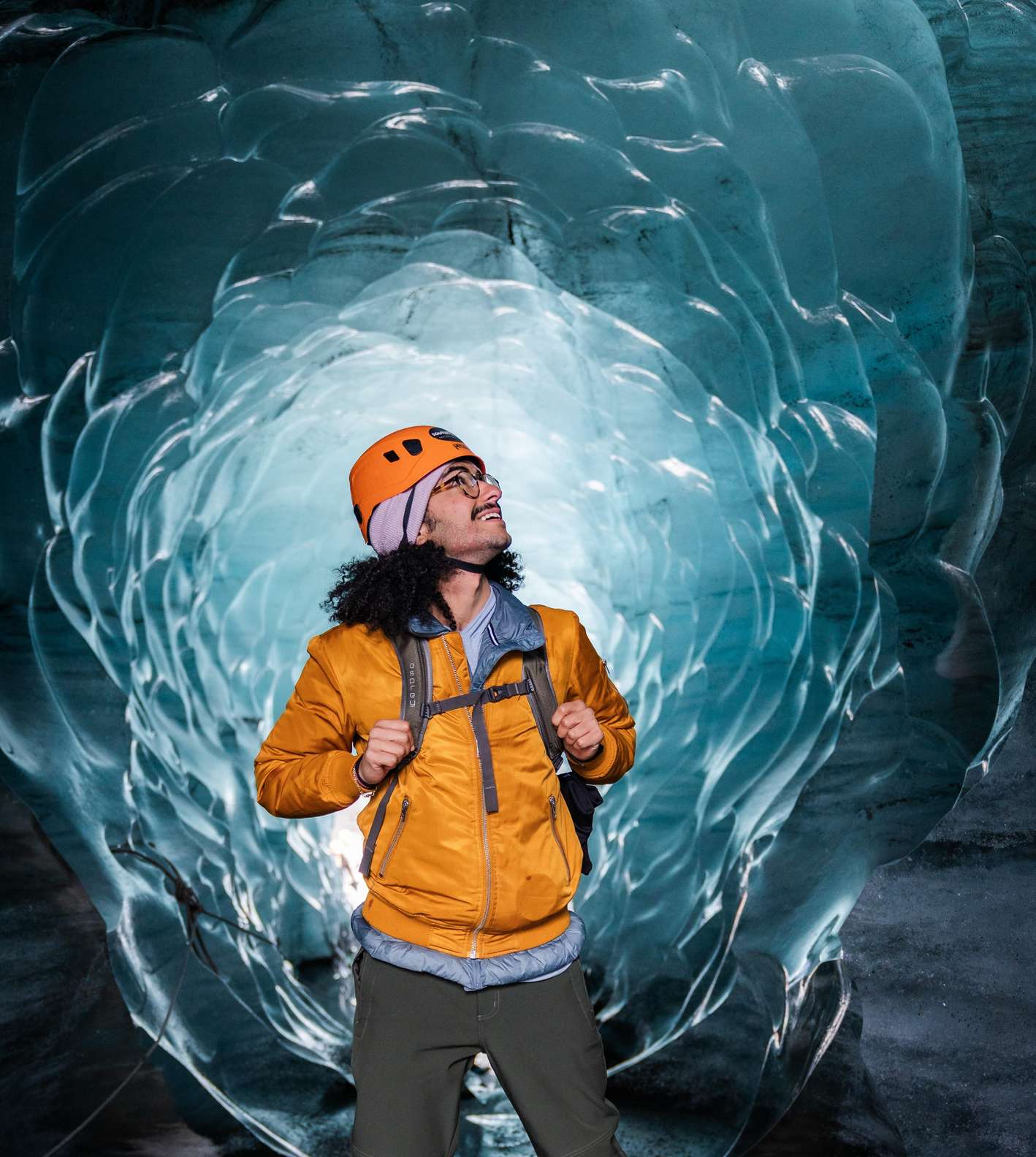
Compressed snow squeezes the air out of deep glacier ice, and ice with fewer air bubbles looks blue, because it absorbs red and yellow light and reflects blue back to your eye. Surface snow looks white for the opposite reason: the air between snowflakes scatters the whole spectrum.
Volcanic ash adds the second layer of the story. Streaks from past Öræfajökull eruptions run through the ice of Falljökull, the outlet glacier the Skaftafell tours walk, so you read dark bands across translucent blue.
A rock ridge splits the glacier into two steep, heavily crevassed icefalls, and the ice fractures into seracs and deep gaps as it descends. Skaftafellsjökull, the outlet next door, has retreated an average of 53 metres a year since 1999, which is why the moraine at your feet looks so raw.
People who have done it call it the highlight of an Iceland trip, even among the pricier excursions. The words below say it better than a rating can.
A traveler's note
Great experience, though one friend found the uphill, rocky walking before the glacier harder than expected. Our guide was excellent, views breathtaking. See these melting glaciers while you can.
What you really see at Skaftafell - cave, hike, or both
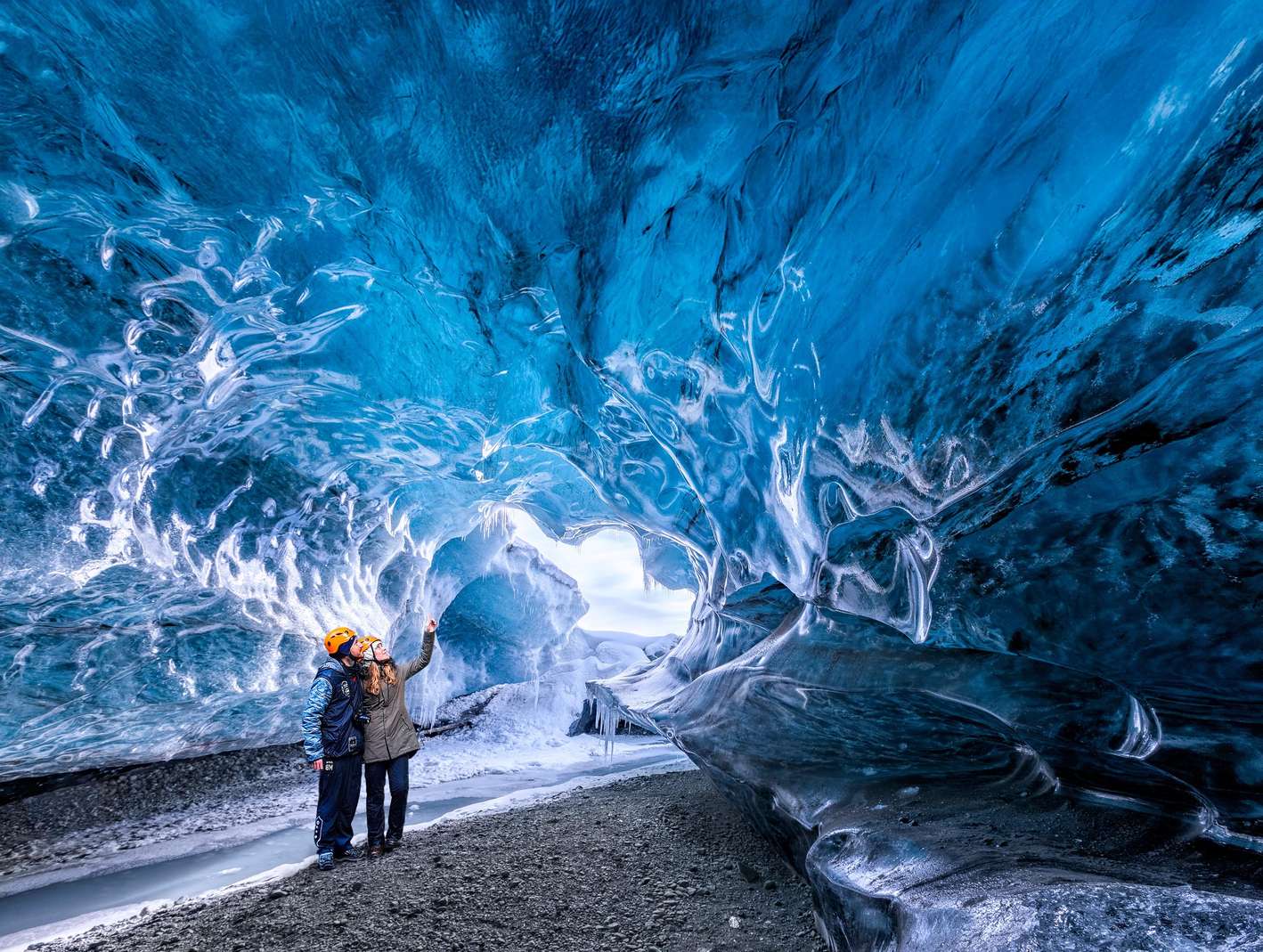
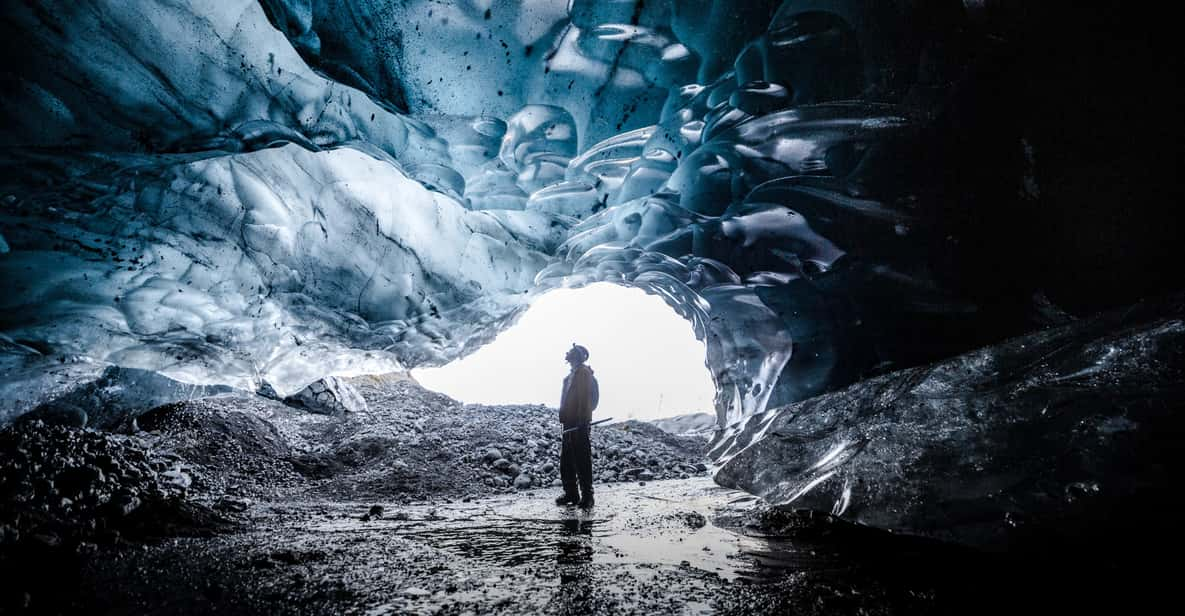
The word 'ice cave' gets stretched a long way in Iceland, so it is worth untangling before you book anything near Skaftafell. A cave visit takes you inside the glacier.
A glacier hike takes you across its surface, with crampons, a helmet, a harness and an ice axe, over crevasses, ridges and ash layers, and it is the more active of the two by a clear margin.
A Katla cave outing involves a short walk of 1 to 2 km over uneven terrain, which most people of average fitness manage easily.
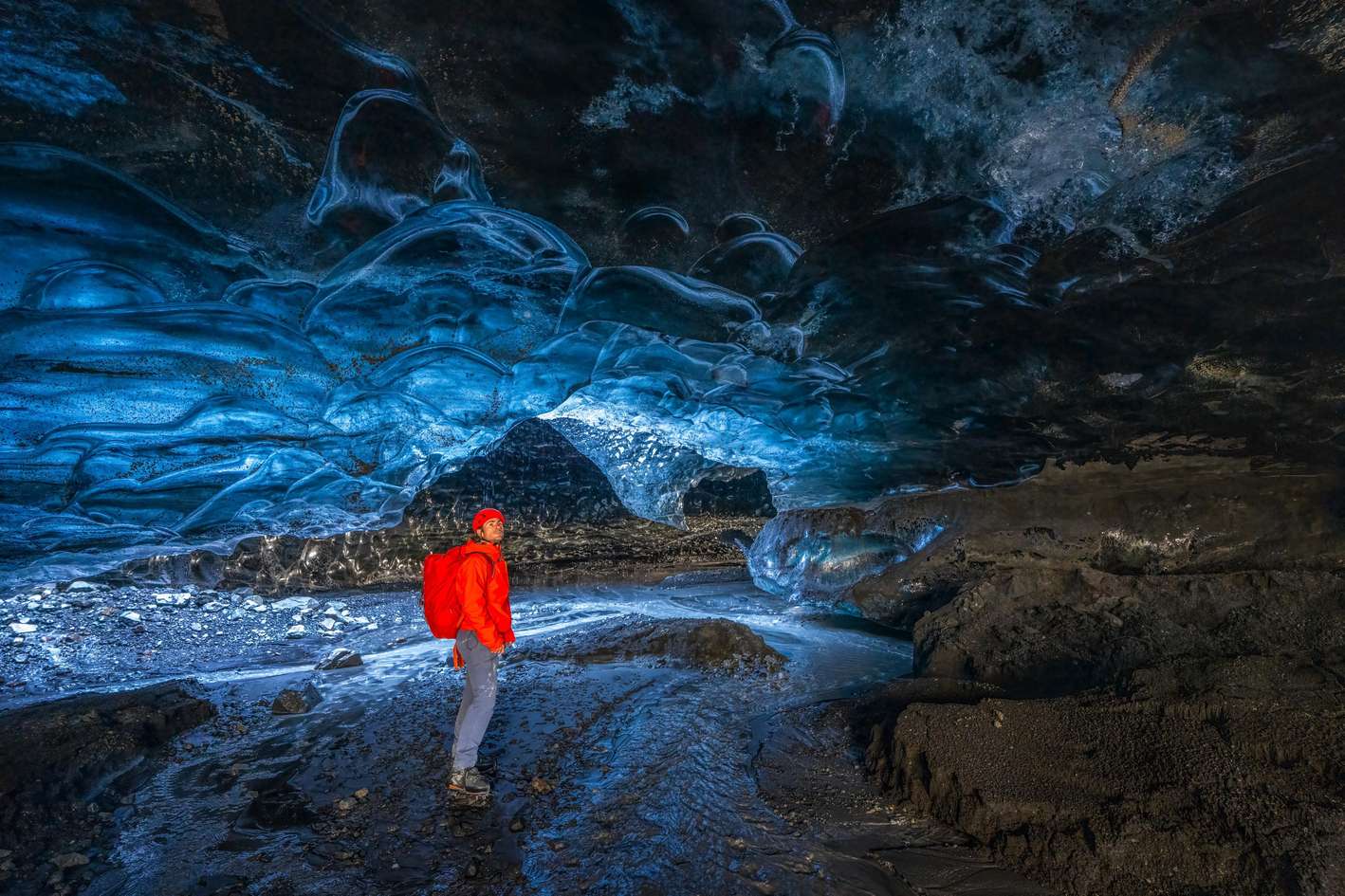
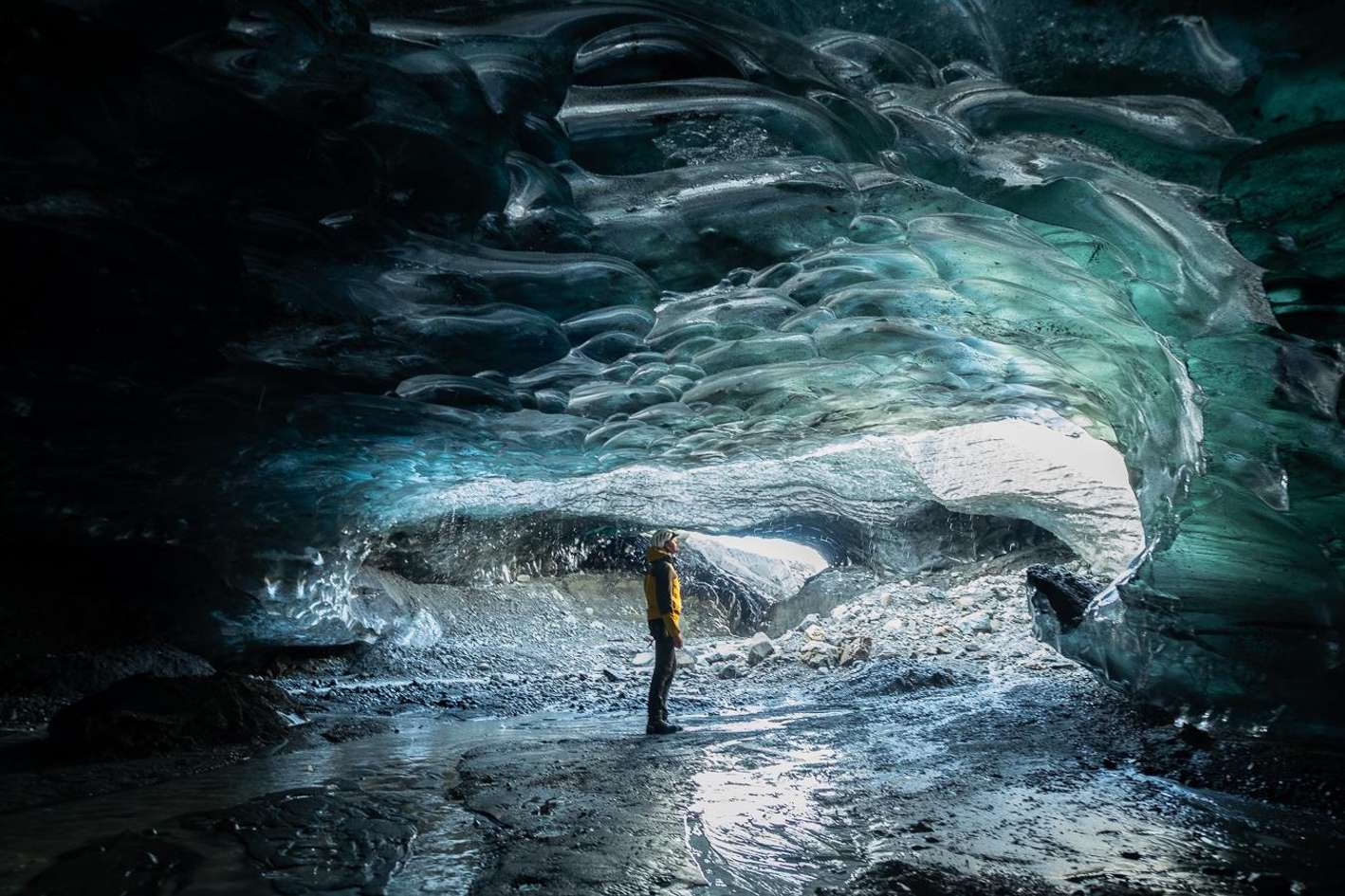
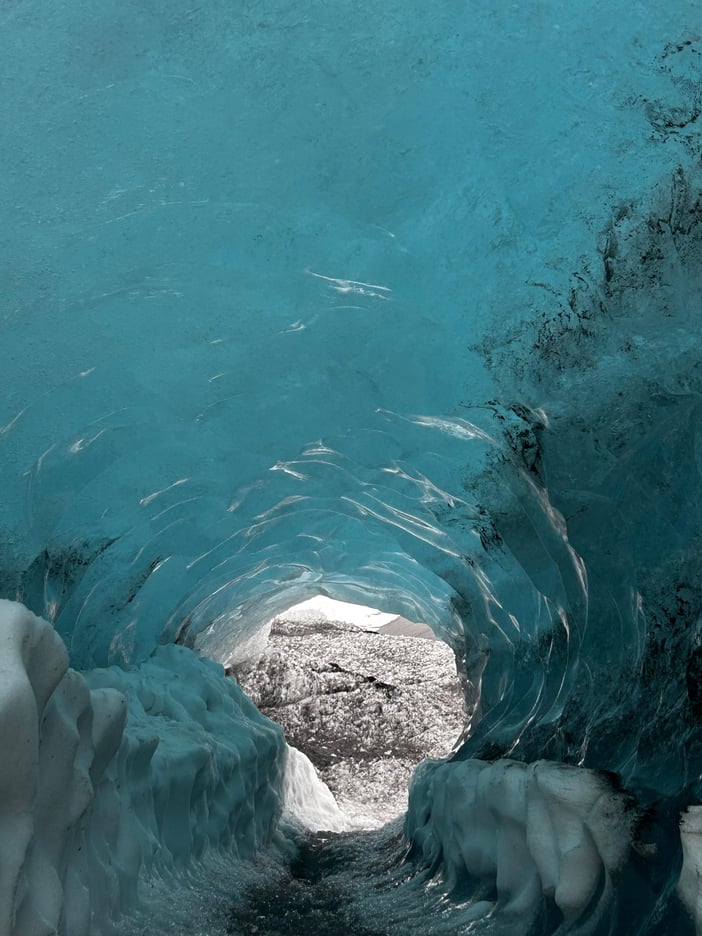
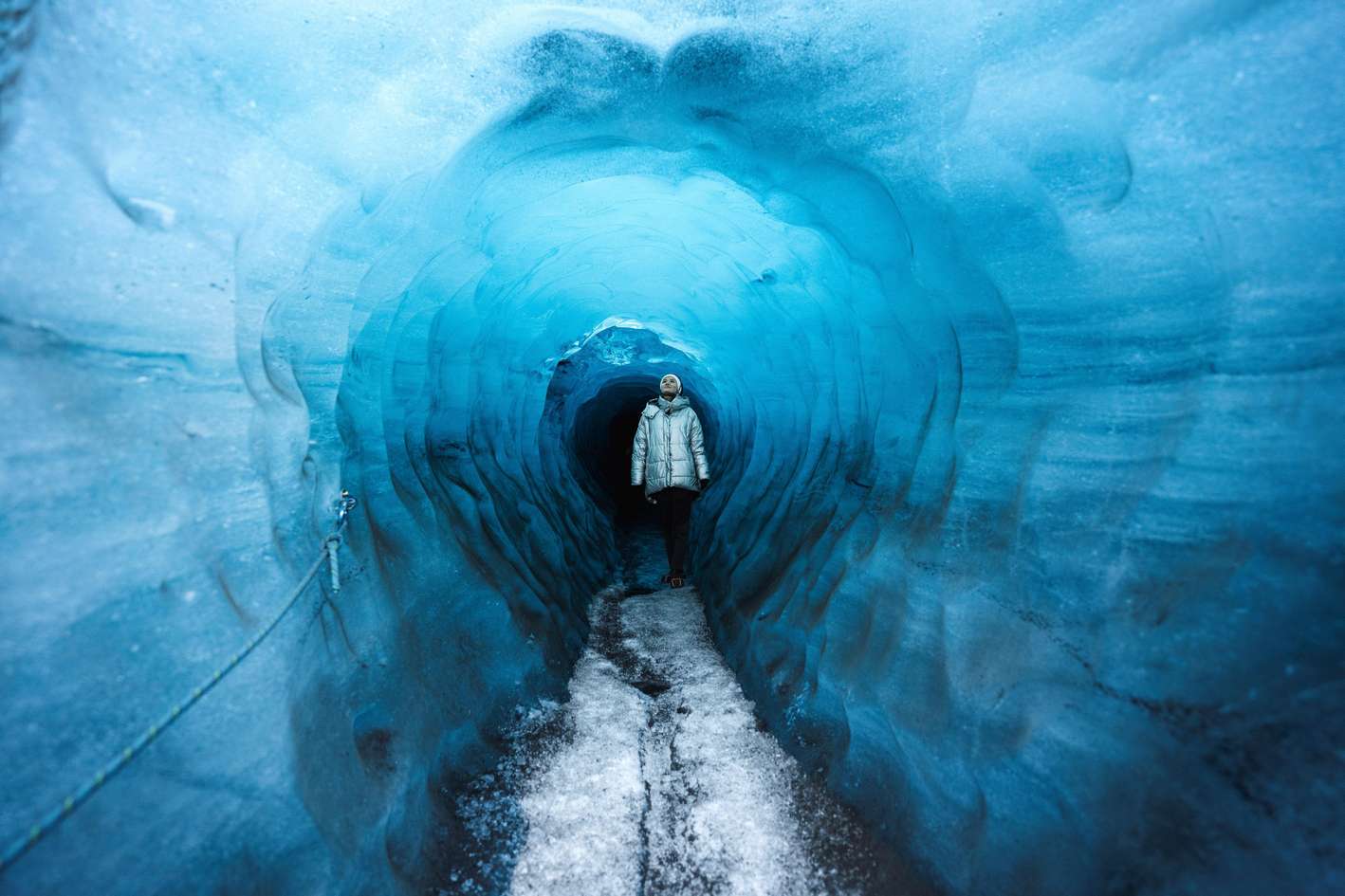
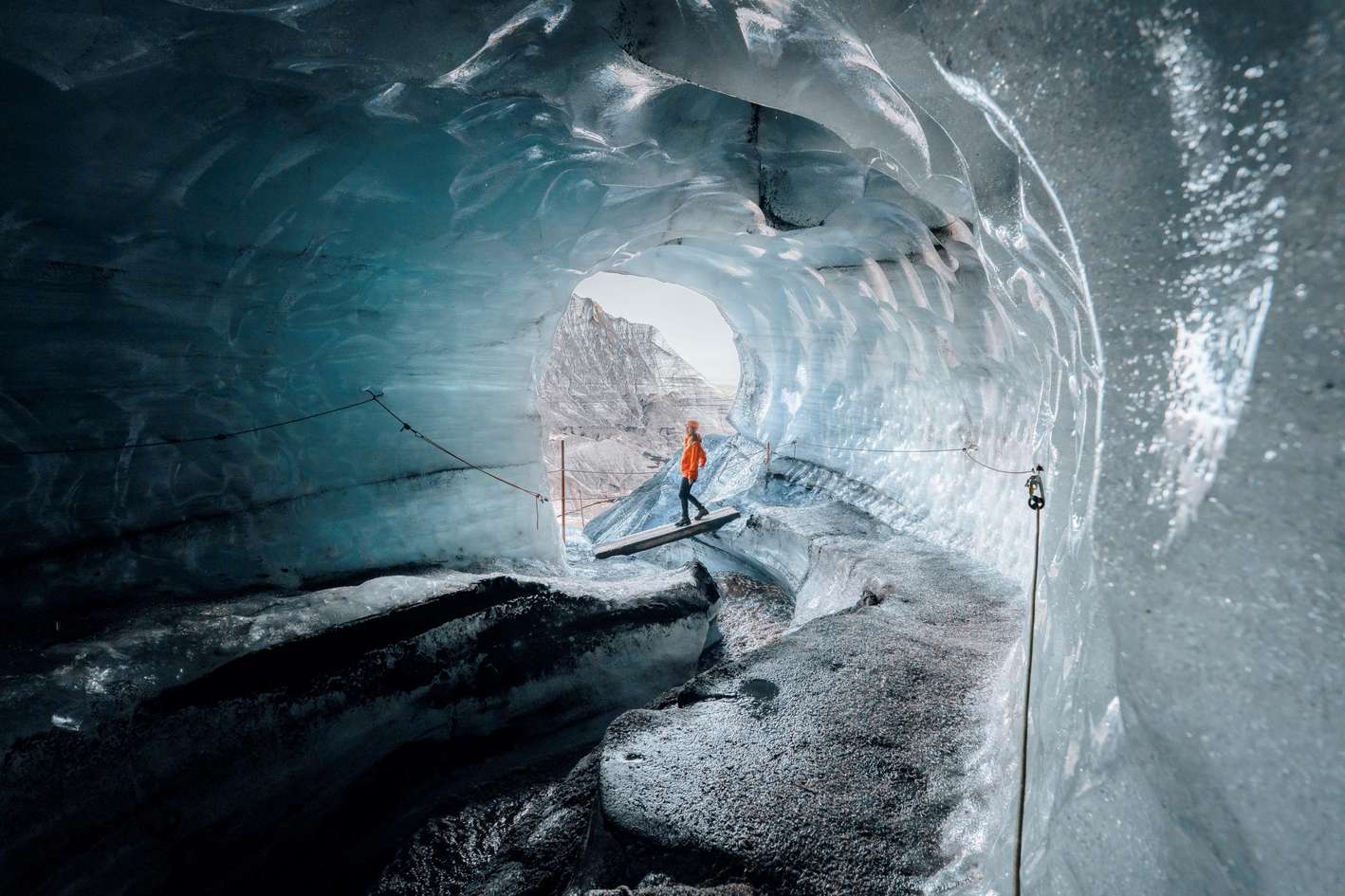
On a Falljökull hike you may look down into deep moulins, the vertical meltwater shafts, though you do not climb into them. And temper the cathedral picture: the caves at Falljökull tend to be modest rather than enormous, averaging somewhere around 10 to 15 metres across.
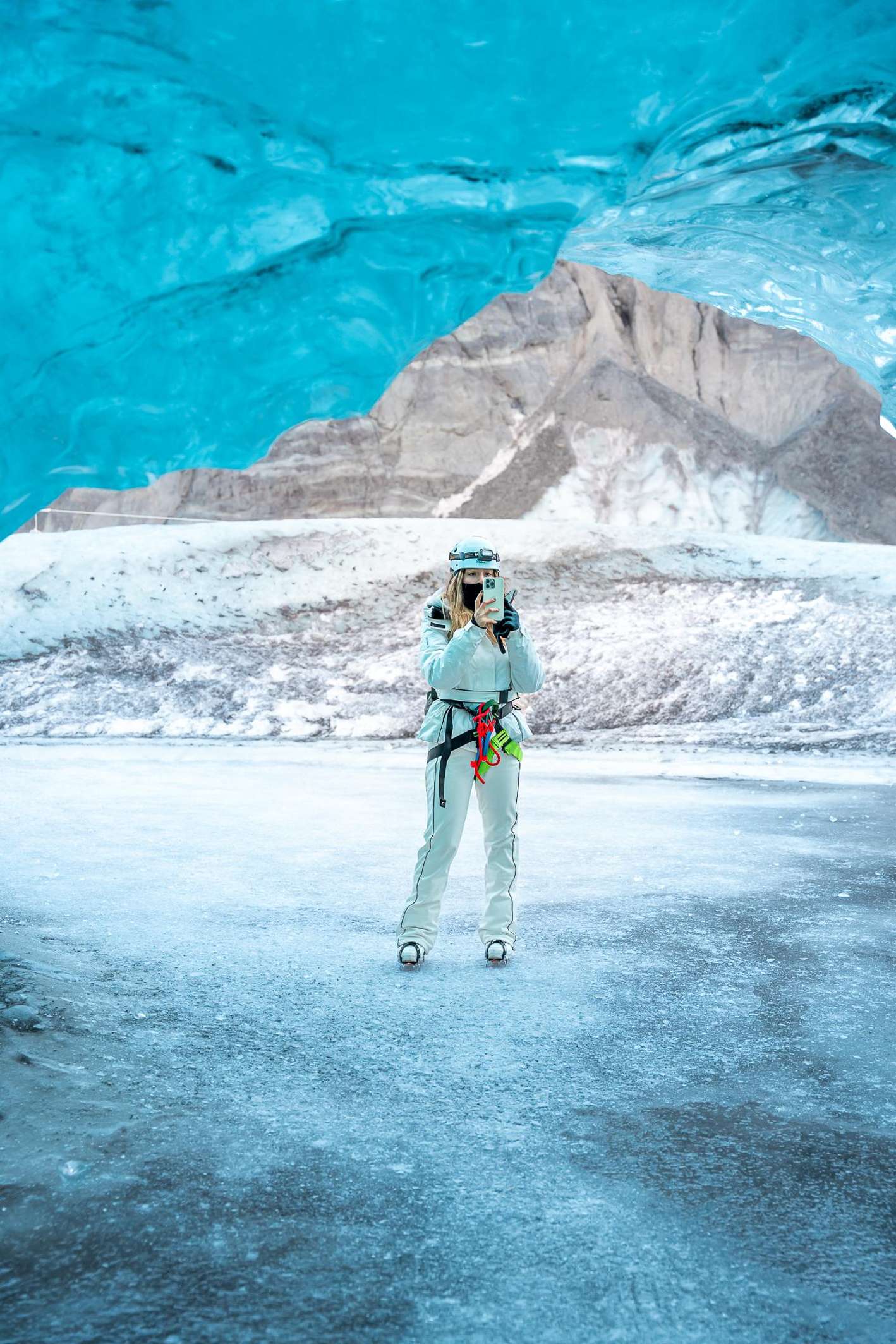
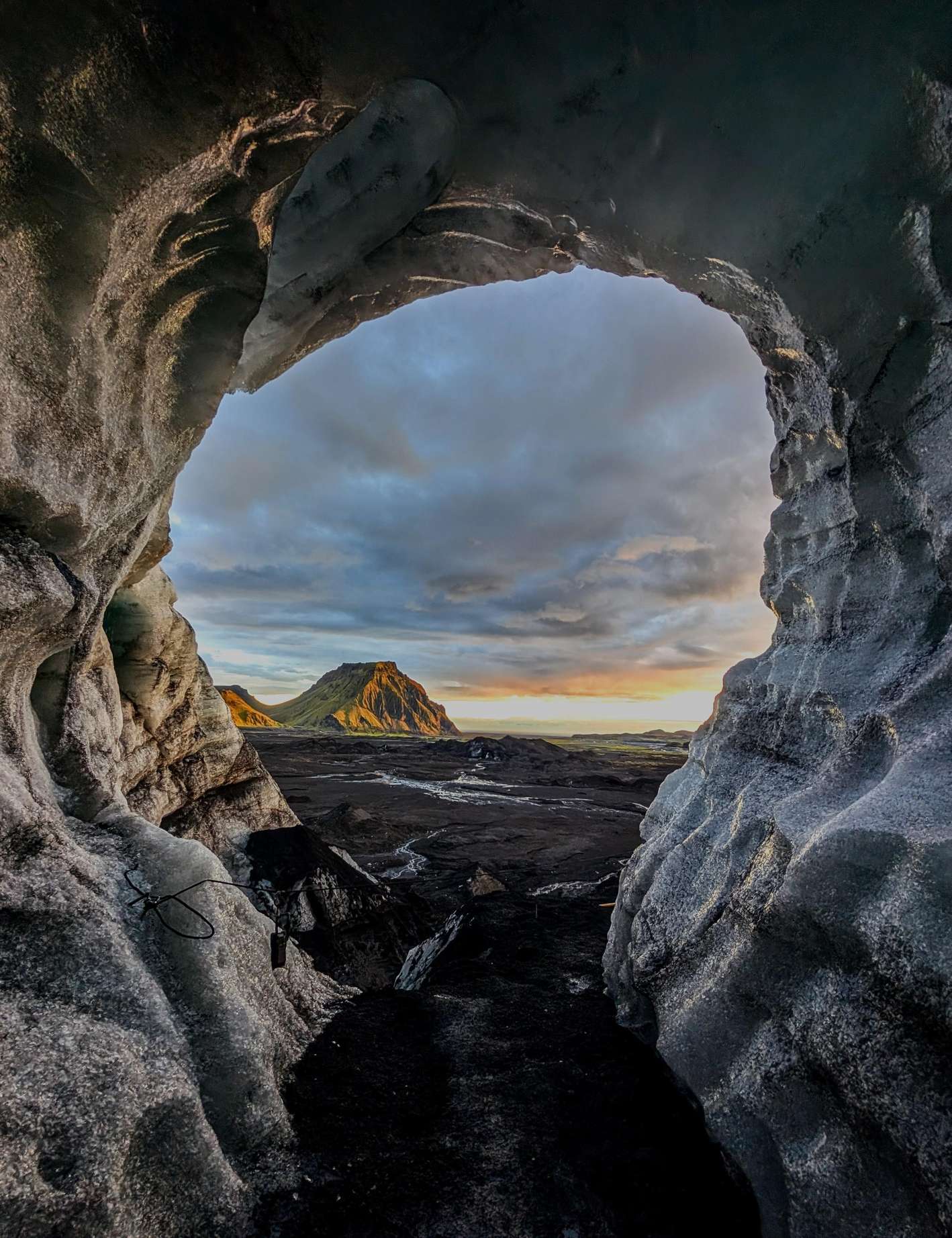
They are temporary formations too. Meltwater and cold reshape them constantly, so the cave your guide opens on the day may look nothing like the photo that sold you the trip, and a different one may be safe and accessible next month.
"What people get wrong about Skaftafell ice"
Myth::row "Every Skaftafell outing enters a huge blue cavern
Reality
Glacier hikes walk the surface; the caves at Falljökull are usually small, around 10 to 15 metres across."
Myth::row "The cave will look like the photos
Reality
Ice caves change from day to day and season to season; guides choose whichever formation is safe that day."
Myth::row "A glacier hike and a cave visit are the same thing
Reality
A hike crosses the ice for hours; a cave visit is a short walk to and inside one formation."
Tour for this
Jökulsárlón: The Original Ice Cave Tour on Vatnajökull4.6★ (1,131) · 3 hours · Free cancellation
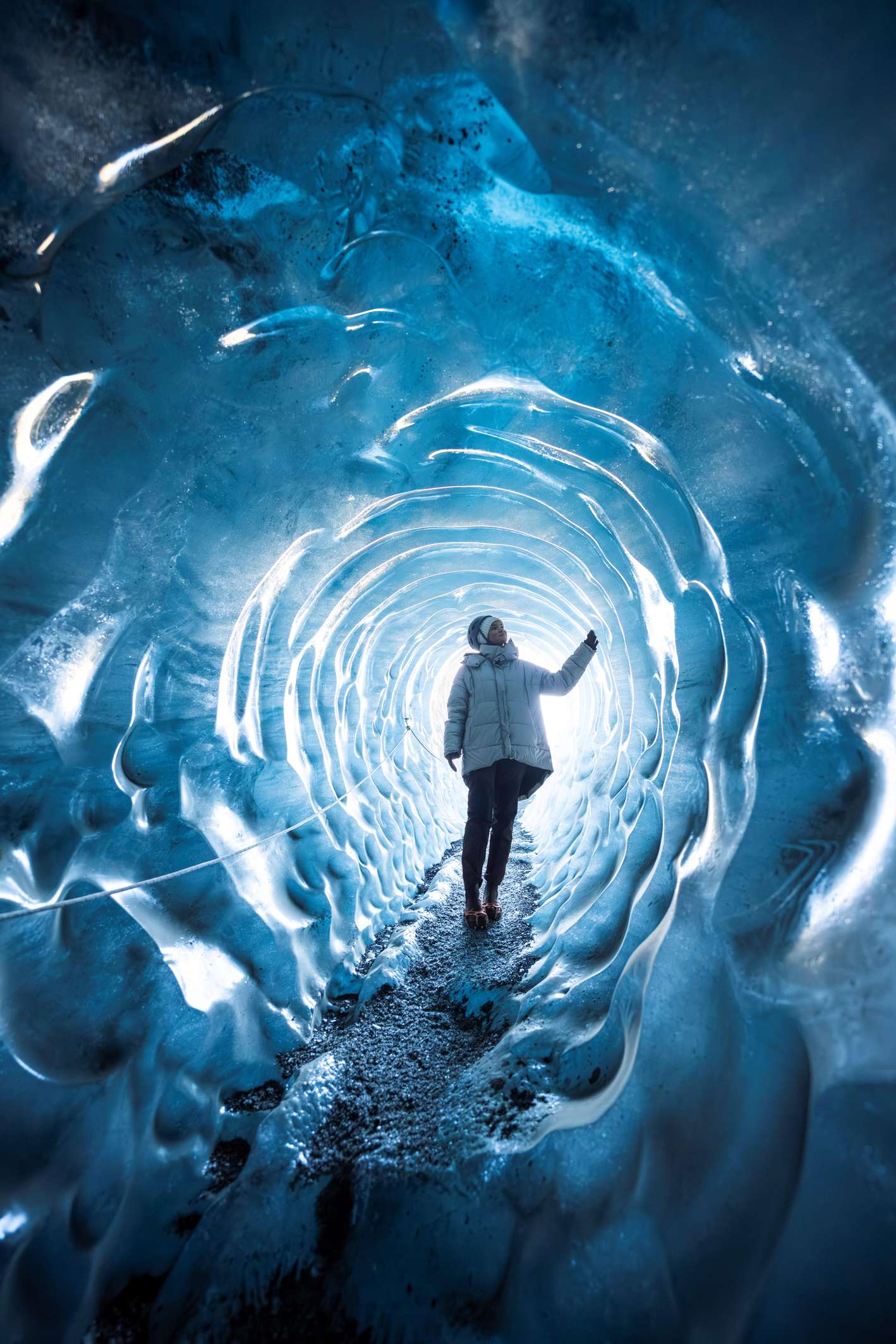
Month matters more here than almost anywhere else on the South Coast. Natural ice caves on Vatnajökull are at their most stable, and their deepest blue, from December through February, when sustained freezing turns meltwater channels into solid caverns.
February is a sweet spot: 8.6 hours of daylight, against 4.4 in December. Tours generally run from October through late April, before spring meltwater takes the caves apart in May.
From around March or April to November, most natural glacier caves in Iceland stay closed because summer melting makes them unsafe, and the caves on Breiðamerkurjökull shut by the start of April.
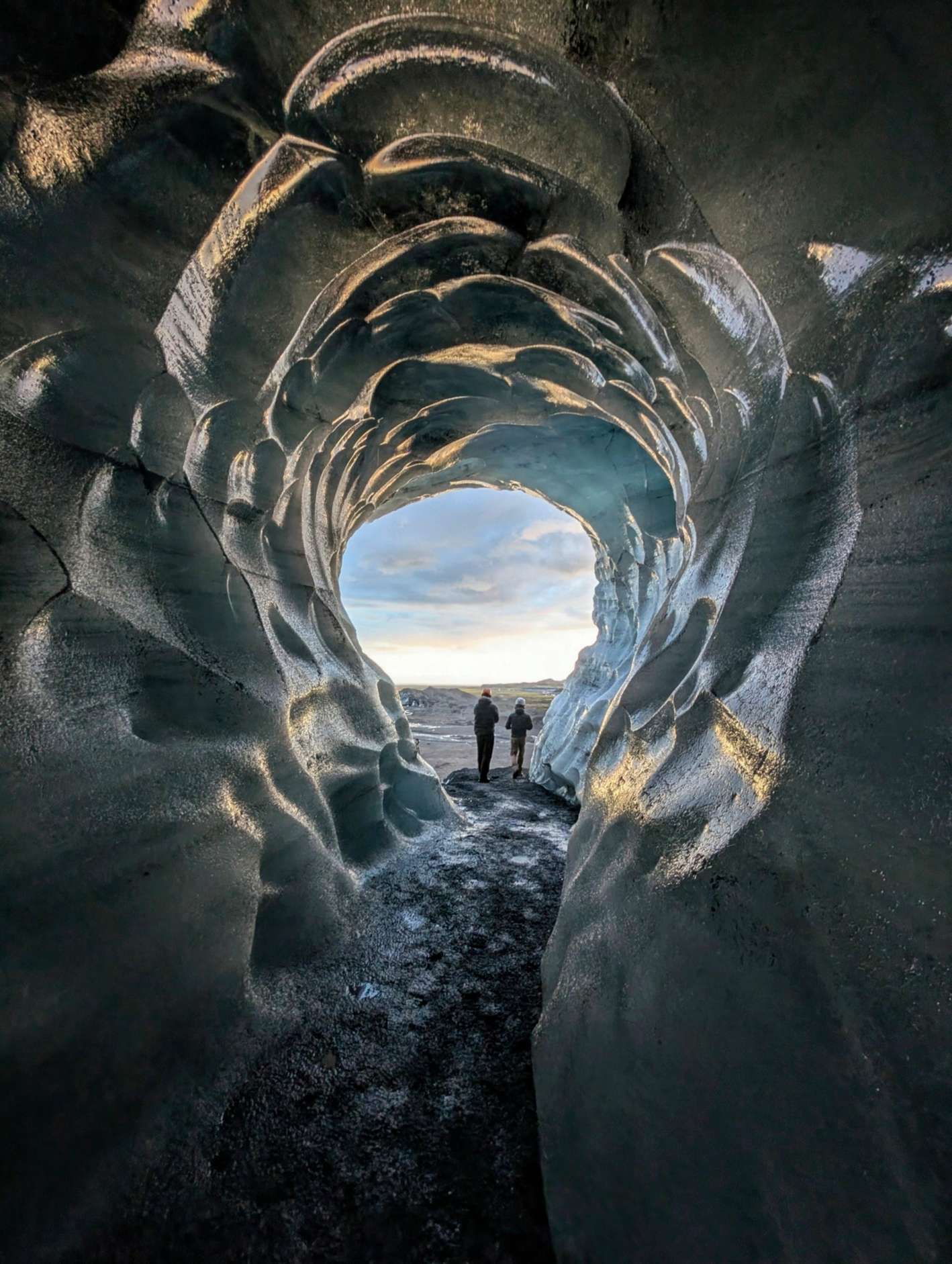
That seasonal rule is the whole story for a summer visit. In the warm months, Katla near Vík is the natural cave that stays available, and its ice runs darker, streaked with volcanic ash.
For vivid blue formations in winter, Skaftafell and the Vatnajökull caves are the stronger choice.
Book early October with low expectations: travelers say the region's natural caves are often tiny, unstable, or high up the glacier that month, and late-season departures in March and April may mean exploring an ice tunnel rather than an expansive cavern.
Freezing temperatures are what make winter access safe, because they halt rapid glacial movement. Never try to enter a natural cave in spring or summer; accelerated glacier movement collapses the structures.
Three shapes of outing leave from Skaftafell, and they suit different legs. The three-hour Falljökull group hike is the easy one: beginner-friendly, with 1 to 1.5 hours actually on the ice, and crampons, helmet, harness and ice axe included.
In summer it can include ice features viewed from above, such as crevasses. The five-hour exploration is rated moderate, spends 3.5 to 4 hours on the ice, climbs higher into more remote terrain, and can take in deep crevasses, moulins and sculpted formations.
Two practical answers come up early. The minimum age for the Falljökull hike is 8, and if your boots fail the gear check you can rent hiking boots on site.
Travelers also point out that glacier hikes give you far more time on the ice while costing roughly 30% less than specialized ice cave visits, so if ice time per hour matters to you, the hike wins.
If you want both in one outing, look for combination tours on Vatnajökull. And among South Coast glacier walks, experienced travelers steer toward Skaftafell over Sólheimajökull.
"Three Skaftafell options side by side"
Three-hour Falljökull hike
Five-hour exploration
Vatnajökull ice cave tour"
::row "Time on the ice
1 to 1.5 hours
3.5 to 4 hours
About 30 to 45 minutes inside the cave"
::row "Physical demand
Easy to moderate
Moderate
Light walk over uneven terrain"
::row "Season
Year-round
Year-round
Roughly October to late April"
::row "Right for
First-timers and families with kids 8+
Fit travelers wanting remote ice
Visitors wanting to go inside the glacier"
Three-hour Falljökull hike
::row "Time on the ice
1 to 1.5 hours
::row "Physical demand
Easy to moderate
::row "Season
Year-round
::row "Right for
First-timers and families with kids 8+
Five-hour exploration
::row "Time on the ice
3.5 to 4 hours
::row "Physical demand
Moderate
::row "Season
Year-round
::row "Right for
Fit travelers wanting remote ice
Vatnajökull ice cave tour"
::row "Time on the ice
About 30 to 45 minutes inside the cave"
::row "Physical demand
Light walk over uneven terrain"
::row "Season
Roughly October to late April"
::row "Right for
Visitors wanting to go inside the glacier"
The tour this page leads with is the "Skaftafell: Falljokull Glacier Easy Group Hike", three hours with a certified glacier guide and all the gear.
Tour for this
From Jökulsárlón: Ice Cave and Glacier Exploration Tour4.7★ (225) · 5.5 hours · Free cancellation
Finding the wooden hut - where Skaftafell tours meet
The meeting point is easy to find once you know the shape of it. Glacier tours at Skaftafell depart from the Skaftafell Hut by the Visitor Centre, and self-drivers spot the Skaftafell Booking Center as the wooden hut with one operator's logo, right next to the parking lot.
Pay for parking before you walk off: the Skaftafell regional fee goes through the Parka app or the machines in the lot, and get your license plate registered before the tour leaves.
The overnight question is the real decision. Driving straight from Reykjavík for a morning tour means about 4 hours 21 minutes and 328 km before you even lace up, and one operator puts the drive at around 4.5 hours.
Stay in Kirkjubæjarklaustur instead and the morning drive drops to about 54 minutes and 70 km. Hotel Skaftafell sits 333 m from the tour area, which is as close as it gets.
Note that the hikes themselves happen on nearby outlet glaciers such as Svínafellsjökull and Falljökull, reached by a short drive from the visitor centre, not at the centre itself.
"How hard the drive to the meeting point is"
::row "Staying in SkaftafellHotel Skaftafell is 333 m from the tour area."
Easy
::row "Staying in KirkjubæjarklausturAbout 54 minutes and 70 km in the morning."
Easy
::row "Driving from Vík141.7 km, normally 108 minutes without traffic, plus 20 minutes for check-in."
Moderate
::row "Driving from ReykjavíkAbout 4.5 hours and 328 km before a morning tour, longer in winter weather."
Difficult
Tour for this
From Jökulsárlón: Crystal Blue Ice Cave Super Jeep Tour4.5★ (606) · 3 hours · Free cancellation
The Skaftafell drive itself - wind, ice and closed roads
The road leg has two predictable trouble spots and one that can end the day. Hellisheiði, on Route 1 between Reykjavík and Selfoss, ices over frequently, so treat the pass as black-ice country.
The exposed stretch beneath Eyjafjallajökull regularly takes gusts above 25 m/s, and the area under Eyjafjöll and around Vík is known for sudden, violent gusts that shove a car sideways.
The road authorities set the thresholds. Vegagerðin calls it storm conditions at sustained winds of 19 m/s or more, or gusts above 26 m/s; a reported Route 1 closure near Vík came during an orange warning with winds forecast at 28 to 30 m/s.
Closures usually clear within a few hours, though occasionally last a day, and in December 2022 blizzards closed busy south coast roads for days.
Sandstorms can shut the stretch between Vík and Kirkjubæjarklaustur, and storms can close Route 1 east of Vík or between Skaftafell and Jökulsárlón.
One law to keep straight: 4WD is only mandatory on Highland F-roads, so any winter car is legal on the South Coast. Before you set out, check umferdin.is for road conditions and webcams, the Icelandic Met Office for the forecast, and SafeTravel for alerts.
"A closed Ring Road stops everything"
::row "A Route 1 closure east of Vík, or between Skaftafell and Jökulsárlón, halts all traffic. You cannot drive through it to reach the meeting point, so check umferdin.is before you leave and build in spare time."
Driving yourself
Rent a car for the driveCompare cars from the rental companies in one search, then pick yours.
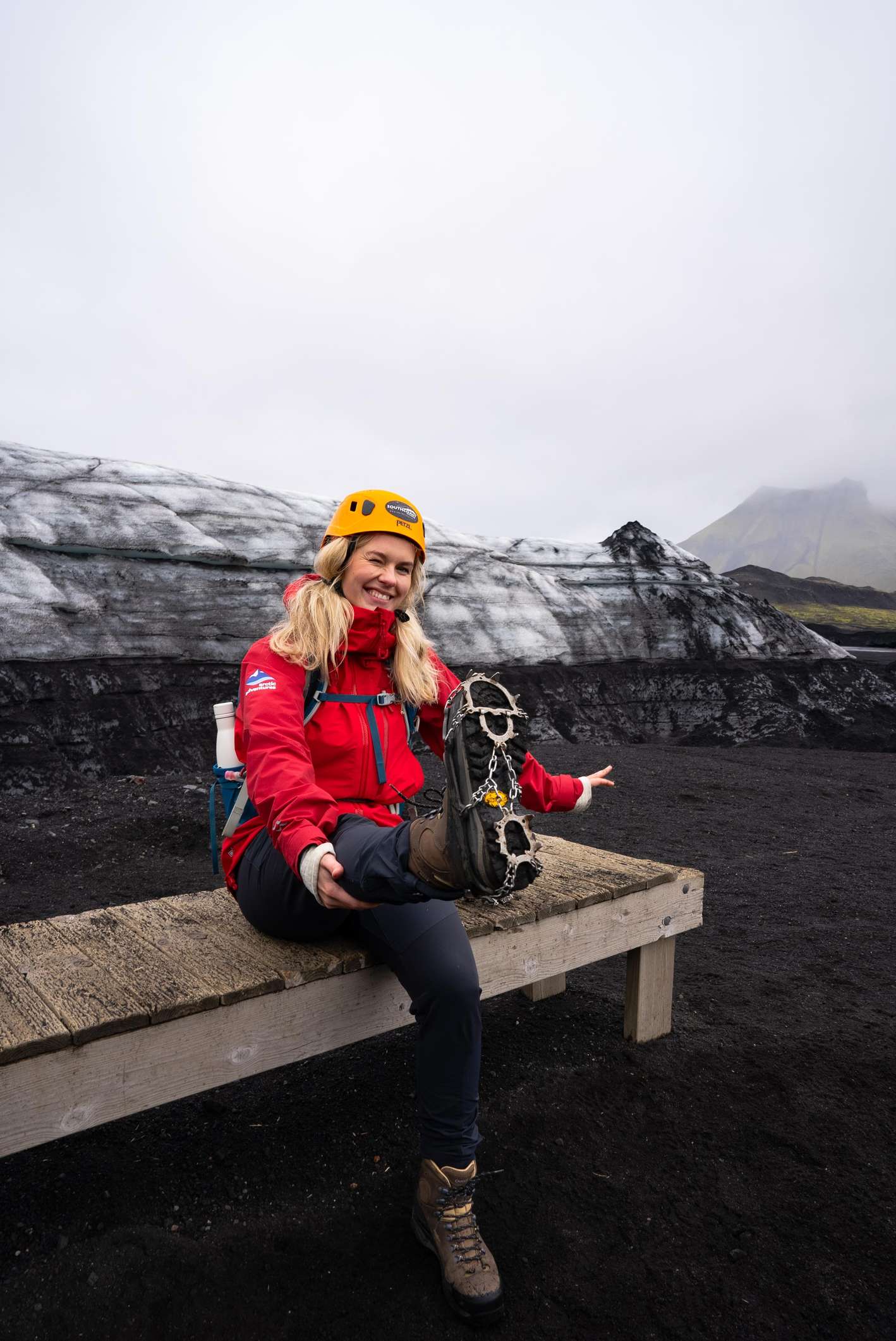
The boot inspection is the gate that can turn you around. Wear high-top hiking boots with a hard, stiff sole and a snug fit around the ankle, because crampons need something rigid to bite onto, and unsuitable footwear can get you turned away at the gear check.
If your boots fail, hiking boots rent on site, and waterproof jackets and pants are available too.
Dress in layers you can actually adjust. A wool or synthetic base layer, an adjustable fleece or wool insulating layer, and waterproof jacket and trousers over hiking pants is the standard recipe.
Avoid cotton. Glacier hiking generates serious body heat, so expect to shed the heavy outer jacket partway up the ice, and in shoulder season a non-insulated shell with lightweight gloves can be plenty once you are moving.
A standard ski jacket has enough warmth for most people; an insulated jacket over leggings with running gloves works for a winter ice cave visit.
Sort food and bathrooms before you leave the trailhead. There are no facilities along the Skaftafellsjökull glacier trail, though the Skaftafell campsite has restrooms, running water and a cafeteria.
"What nobody tells you"
::row "Crampons come with the tour, fitted over your own boots
Don't buy spikes or crampons in advance; the guide supplies them and they only fit sturdy boots anyway."
::row "You will get hot on the ice
Glacier hiking warms you enough to shed your outer jacket partway through, so pick layers you can open one-handed."
::row "A stiff-soled ankle boot matters more than an expensive one
Crampons need a rigid sole and ankle hold; soft sneakers get refused at the gear check."
The clock runs faster than the itinerary suggests. The three-hour outing starts with a 15-minute drive from the meeting area to the glacier car park, then a 15-minute walk to the ice edge.
That puts you on the ice within about half an hour of setting out, and the reward for the drive is 1 to 1.5 hours exploring on the glacier itself, crampons fitted and ice axe in hand.
What fills that time depends on the season and the day. On Falljökull you walk among seracs and deep crevasses carved into the two icefalls, and in summer some features are viewed from above.
Your guide reads the ash bands from past Öræfajökull eruptions out of the blue ice, and explains why Skaftafellsjökull has been pulling back an average of 53 metres a year since 1999.
The physical bar is simple: you need to walk independently over uneven terrain, ice and gentle inclines in crampons for at least an hour or two, which is why most standard hikes set a minimum age of 8 to 10.
Your three-hour outing includes a short walk and 1 to 1.5 hours on the glacier
If Skaftafell weather turns or the tour is cancelled
The glacier gets a vote, and the terms are worth knowing before you book. One operator's glacier hike may be altered or cancelled in extreme weather, with a full refund when it cancels.
On the ice cave side of the South Coast, the pattern repeats: operators cancel for weather, safety or glacier conditions and issue a full refund, or help you reschedule.
If authorities close the road and you cannot reach the meeting point, you receive a full refund, and when a closure affects roads the tour depends on, it is treated as a safety cancellation with a refund or reschedule on offer.
The alert levels give you a way to read the forecast yourself. An orange weather warning means significant impacts are likely and tours may be cancelled; under a red warning, travel is not advised at all.
Heavy rain can raise glacial rivers until they become uncrossable, and operators have cancelled trips at Sólheimajökull as a precaution while safer routes were assessed.
If a closure stops you from reaching the departure point, call the operator as soon as you see it, before departure time, to talk through your options. Sometimes the alternative is simply a different kind of ice day.
"What happens when the day goes wrong"
If this happens
What happens then
::row "Extreme weather cancels the tour
A full refund, or a reschedule if you prefer a new date."
::row "Authorities close the road to your meeting point
It counts as a safety cancellation: refund or reschedule."
::row "You cannot reach the departure point yourself
Call the operator before departure time to discuss your options."
::row "The cave is unsafe that day
Operators typically offer a refund or an alternative such as a glacier hike."
If ice caves are the priority and flexibility matters, "From Jökulsárlón: Ice Cave and Glacier Exploration Tour" runs 5.5 hours with super-jeep transfers, a guide and a hiking tour included.
Tour for this
From Jökulsárlón: Ice Cave and Glacier Exploration Tour4.7★ (225) · 5.5 hours · Free cancellation
With crampons off by early afternoon, the day has room left in it. The Svartifoss loop is the classic add-on from Skaftafell: the Svartifoss, Sjónarsker, Sel route takes about two hours and passes Hundafoss and Magnúsarfoss on the way, with views from Sjónarsker and the old sod house at Sel.
Skaftafell also keeps short, easy trails to Svartifoss and the Skaftafellsjökull glacier tongue, and one traveler recommends the Svartifoss hike as a stop on the drive east toward Jökulsárlón.
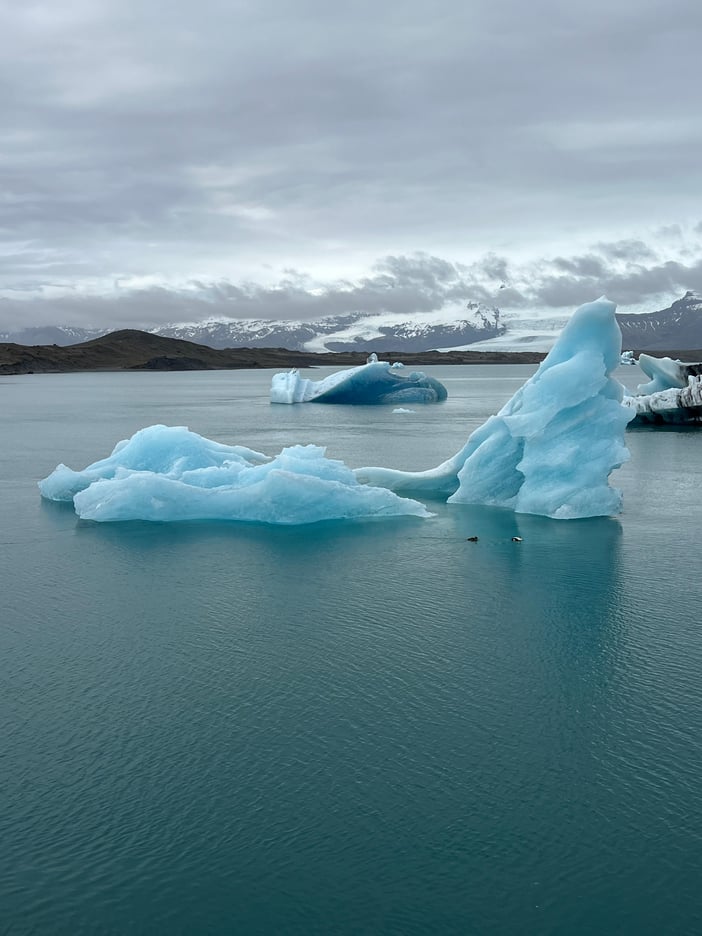
If you push on to the lagoon, the boat season decides the rest. Boat tours on Jökulsárlón usually run from early May through October, depending on weather and ice.
Amphibian boats operate May to November and suit all ages; Zodiacs run May through the end of October, require passengers to be at least 10 years old or 130 cm tall, and ask only that you walk a short distance and hold on with both hands. In winter the lagoon freezes and the boats stop.
A Skaftafell glacier day earns its price when the season matches the plan. Winter brings the clearest blue ice and the cave options; summer keeps the hikes running while the natural caves close. Wear stiff, high-top boots, arrive 20 minutes early, and build spare time for a closed Ring Road.
Go ifYou want real hours on glacier ice, not a photo stopYou are traveling between October and April for the cavesYou have children aged 8 or older
Skip ifYou expect a cathedral-sized cave in summerYou cannot walk an hour or two in crampons over uneven iceA closed Ring Road has already eaten your spare time
Our pick to book
TRÖTröll Expeditions Skaftafell
FALFalljökull
Length3 hours
At Falljökull1 h 30 min
Rating4.6★
Skaftafell: Falljokull Glacier Easy Group Hike$103/personCheck availability →Free cancellation
FAQ - Skaftafell ice cave tours
arrive 20 min early, wooden hut by the car park
The questions self-drivers ask before booking a glacier outing at Skaftafell, answered plainly.
2026
The ash streaks through the blue ice on Falljökull stop people mid-sentence. Rent boots at the hut if yours are soft, and get there 20 minutes early.
Do I need a guide to walk on a glacier at Skaftafell?
Yes. Glacier ice and ice caves are only safe and legal with a licensed guide. The Falljökull hike includes one, along with crampons, a helmet, a harness and an ice axe.
How is the Falljökull glacier hike different from an ice cave tour?
A glacier hike puts you on the ice with crampons, walking across crevasses, ridges and ash layers with open views. A cave tour takes you inside the glacier. The Falljökull hike lasts three hours; ice cave tours elsewhere on the South Coast run two and a half to four hours including jeep transport.
How fit do I need to be for the Falljökull hike?
It is rated as an easy group hike, and most people with average fitness manage it. You walk on uneven ice in crampons for part of the three hours, and the guide sets the pace. Bring sturdy hiking shoes.
Where do tours meet in Skaftafell, and when should I arrive?
The meeting point is the wooden booking hut next to the parking lot by the Visitor Centre. Arrive 20 minutes before departure to check in and get fitted for gear.
What if Ring Road 1 closes before my tour?
You cannot drive through a closure, and in severe winds a late start can cost you the check-in. Vík sits 141.7 km and about 108 minutes from Skaftafell, so check road conditions before setting out and leave extra time.
What will I actually see on the Falljökull glacier?
Falljökull descends in two steep, heavily crevassed icefalls, and streaks of volcanic ash from past Öræfajökull eruptions run through the blue ice. On some routes you can look down into deep moulins, though you do not enter them.
Will the ice cave on a Skaftafell hike be big?
Sometimes modest. Travelers who see them report caves averaging 10 to 15 metres across. Ice caves are temporary formations that meltwater and cold reshape, so what you get depends on the day.
Is Skaftafell or Katla better for ice caves in summer?
In summer, Katla is the option that runs, since Skaftafell's seasonal ice caves are not accessible. In winter, Skaftafell has the stronger blue ice, while Katla's ice is darker and streaked with volcanic ash.
Can I combine a Katla cave tour and a Skaftafell glacier hike on one trip?
Yes, and it works well because the two show different glacier terrain. Skaftafell Visitor Centre lies 141.7 km east of Vík, about a 1 hour 48 minute drive without traffic, so book both on separate days if you can.
Are children allowed on the Falljökull glacier hike?
Participants must be at least 8 years old. Younger children cannot join, so plan another stop for them while you are on the ice.
What should I wear, and what if I lack the right boots?
Wear hiking pants and warm layers under waterproofs, since glacial weather turns wet fast. Crampons need boots that grip your ankle, and you can rent hiking boots on site at Skaftafell if yours are soft or low.
What happens if a storm cancels my Skaftafell hike?
Glacier tours can be altered or cancelled in extreme weather. If the operator cancels, you get a full refund, and since you are staying nearby you can often rebook for the next day.
Where your ice cave tour out of Skaftafell can take you next