

11 hours·English
5.0(2)
From Reykjavik: Private South Coast and Katla Ice Cave
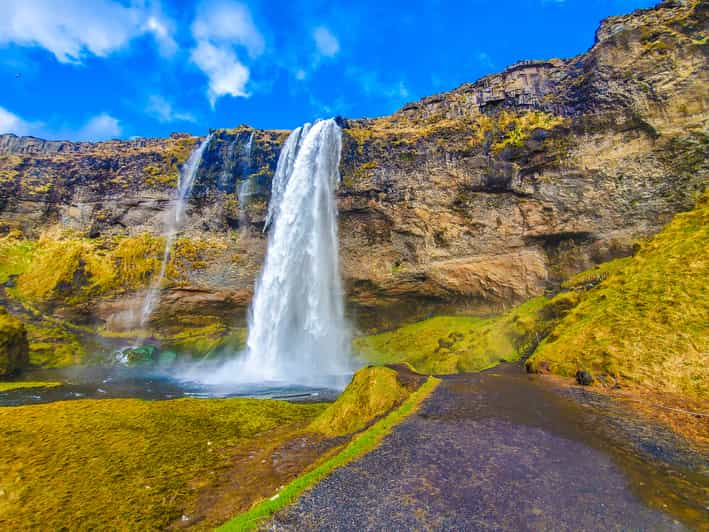
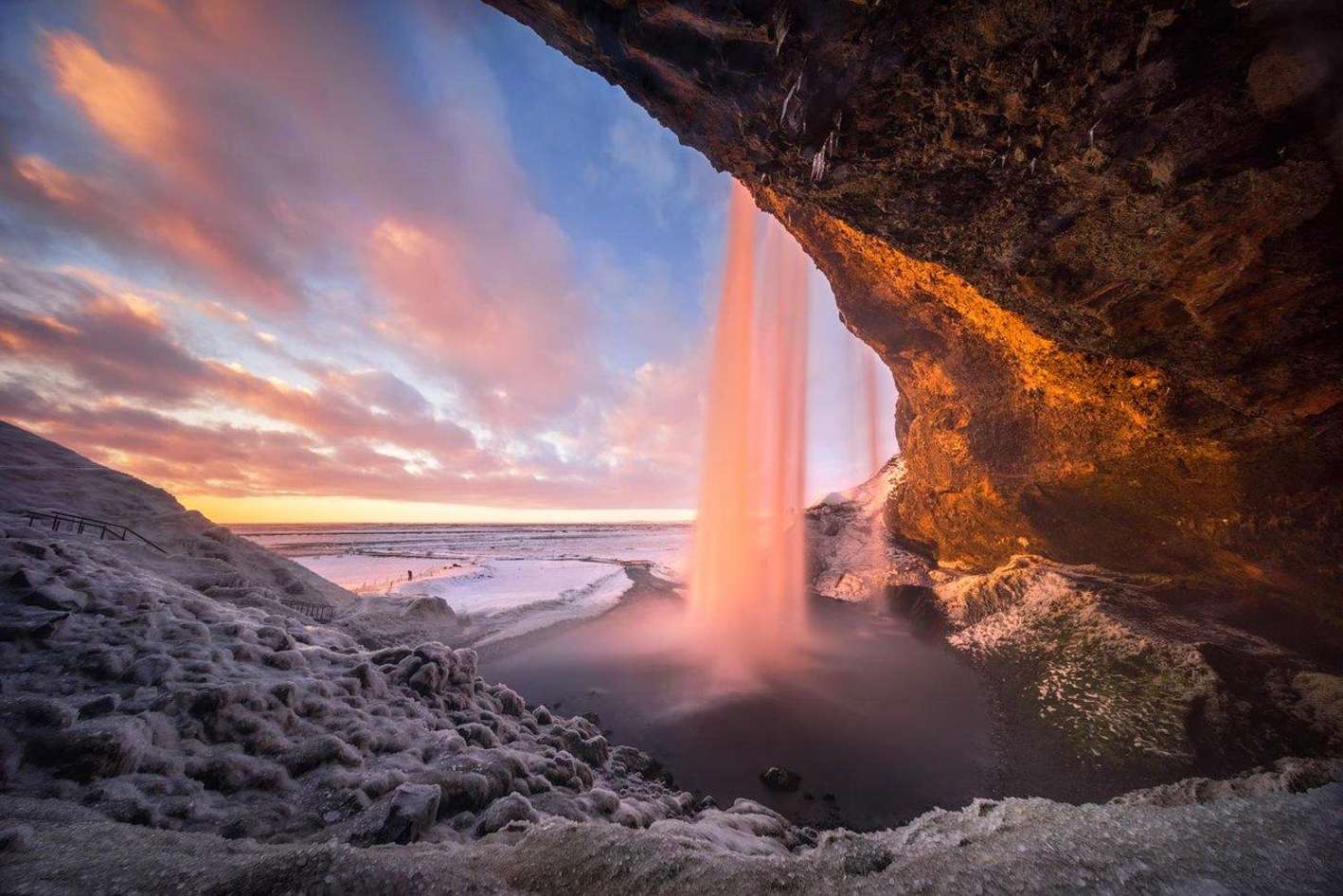
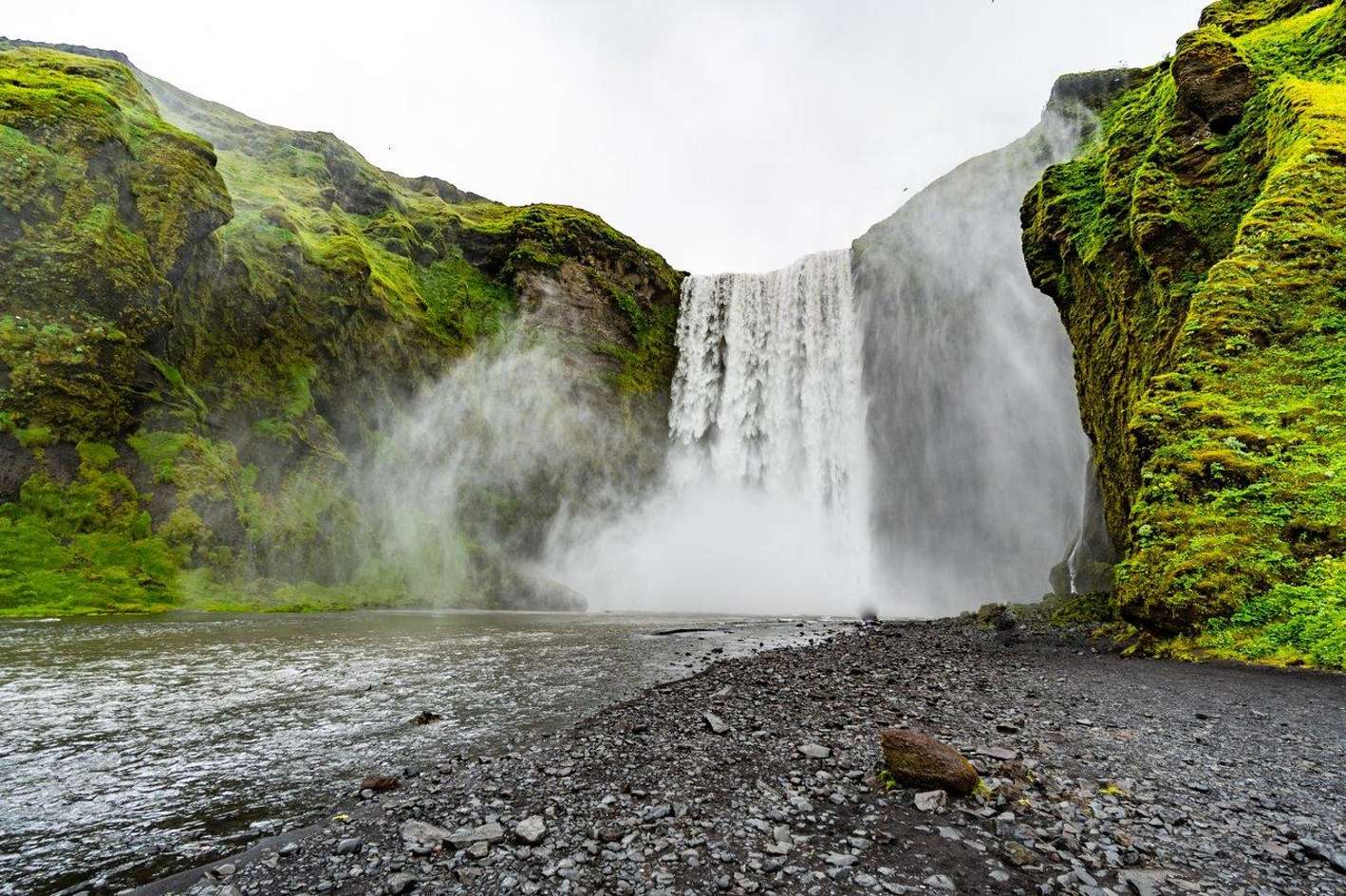
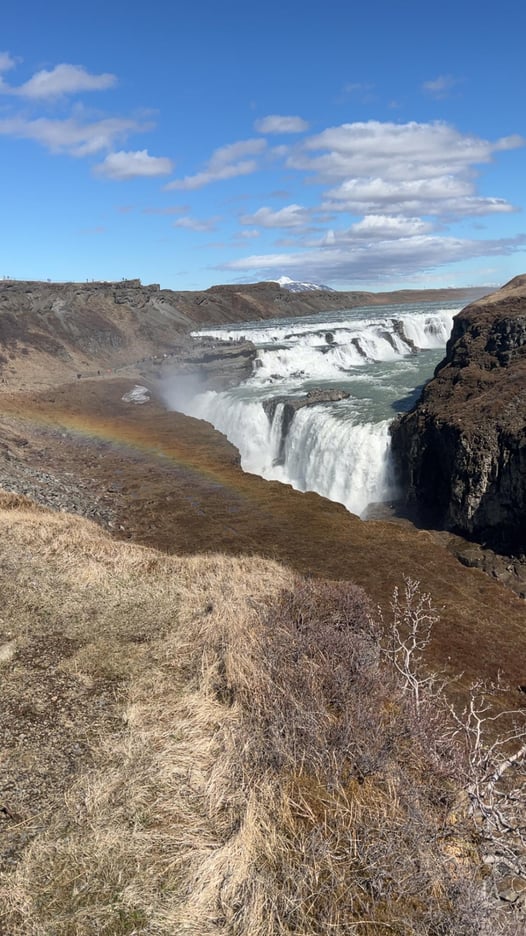
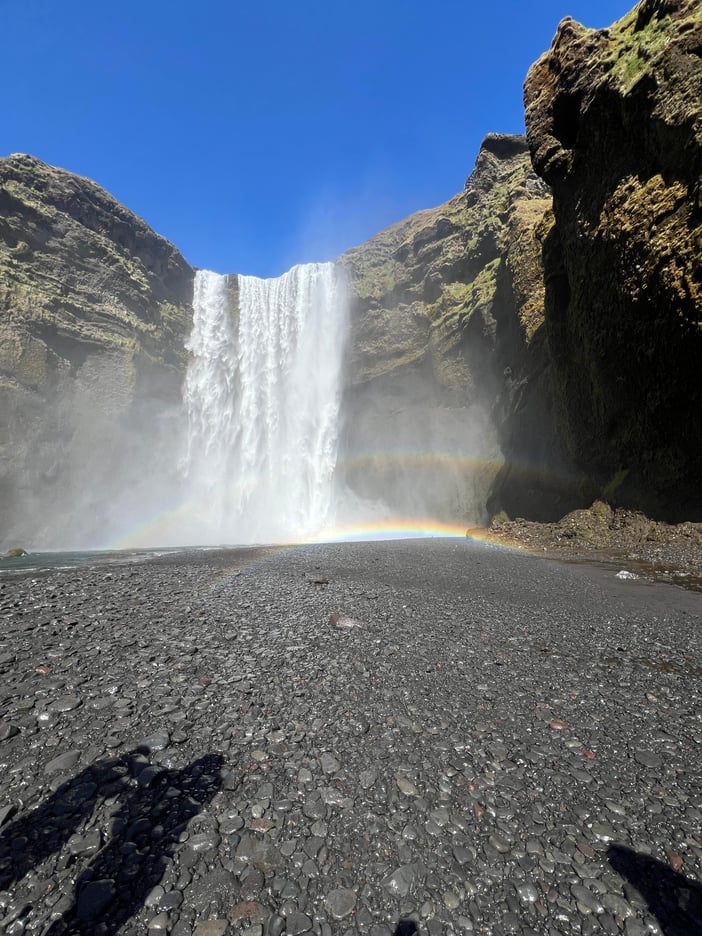
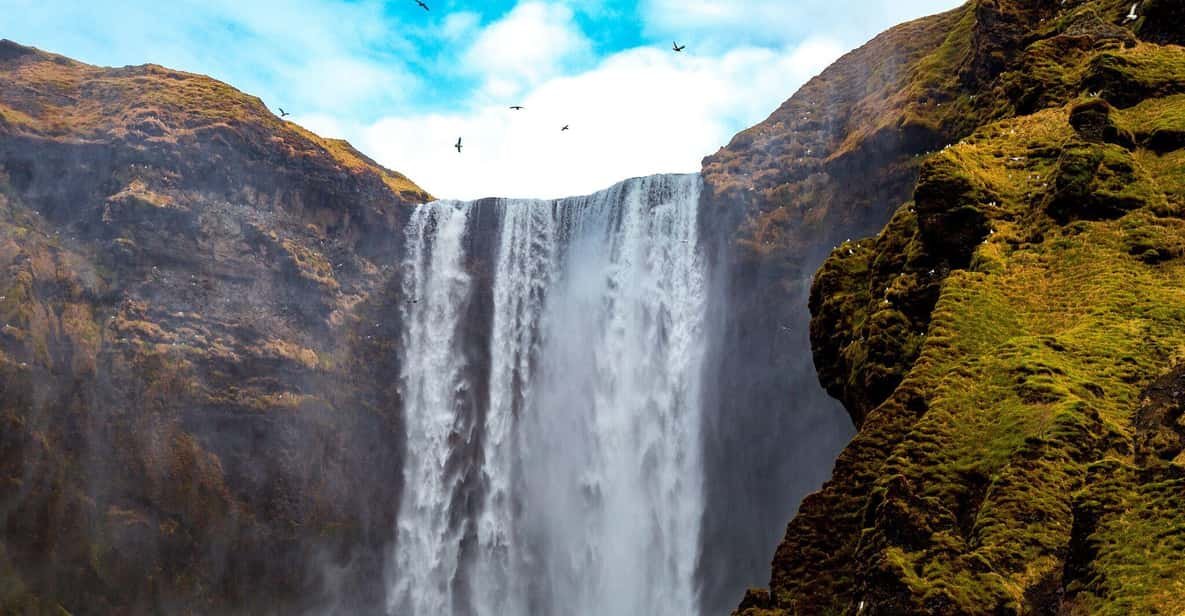
Climb all 527 steps to the top of SkógafossWalk behind the Seljalandsfoss waterfall

See the South Coast and an ice cave in three days. Join a guided 3-day tour that covers the Golden Circle, the waterfalls, Jökulsárlón and a natural ice cave, with hotels, minibus transport and Reykjavík pickup all arranged. Compare the itineraries and reserve your spot.
"Best experience ever. You can't come to Iceland without doing this tour, the guide was super professional. Top experience."


vík inn: arrive 20 min early
Three days is enough to reach the ice caves and the glacier lagoon, if you plan the nights and the weather around them. This guide sets the day shape, the gear and the refund rules that carry you through a storm.
Split the drive with a night in Vík: Reykjavík to Vík takes 2 hr 38 min, Vík to Jökulsárlón about 2 hr 30 min.
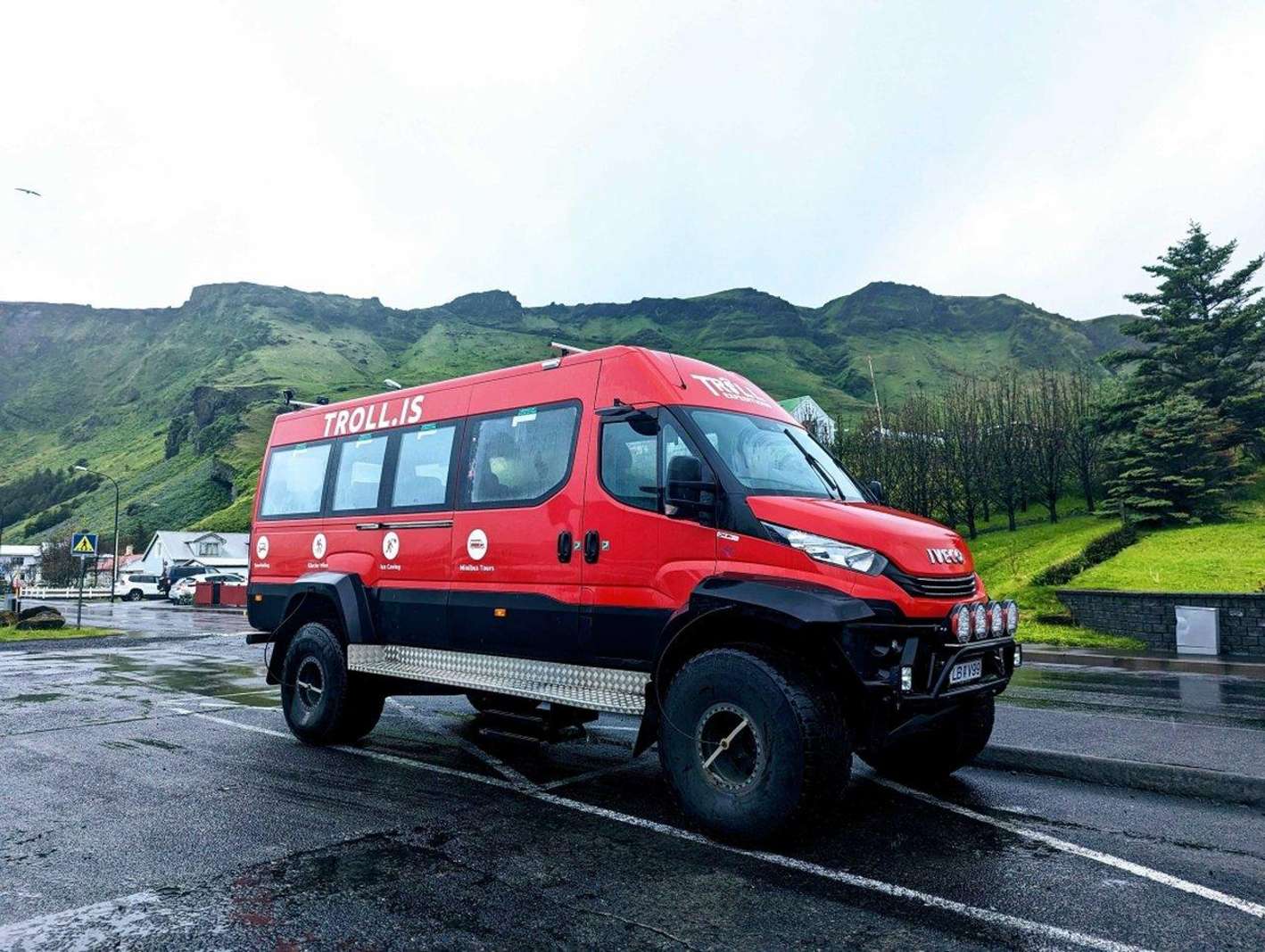
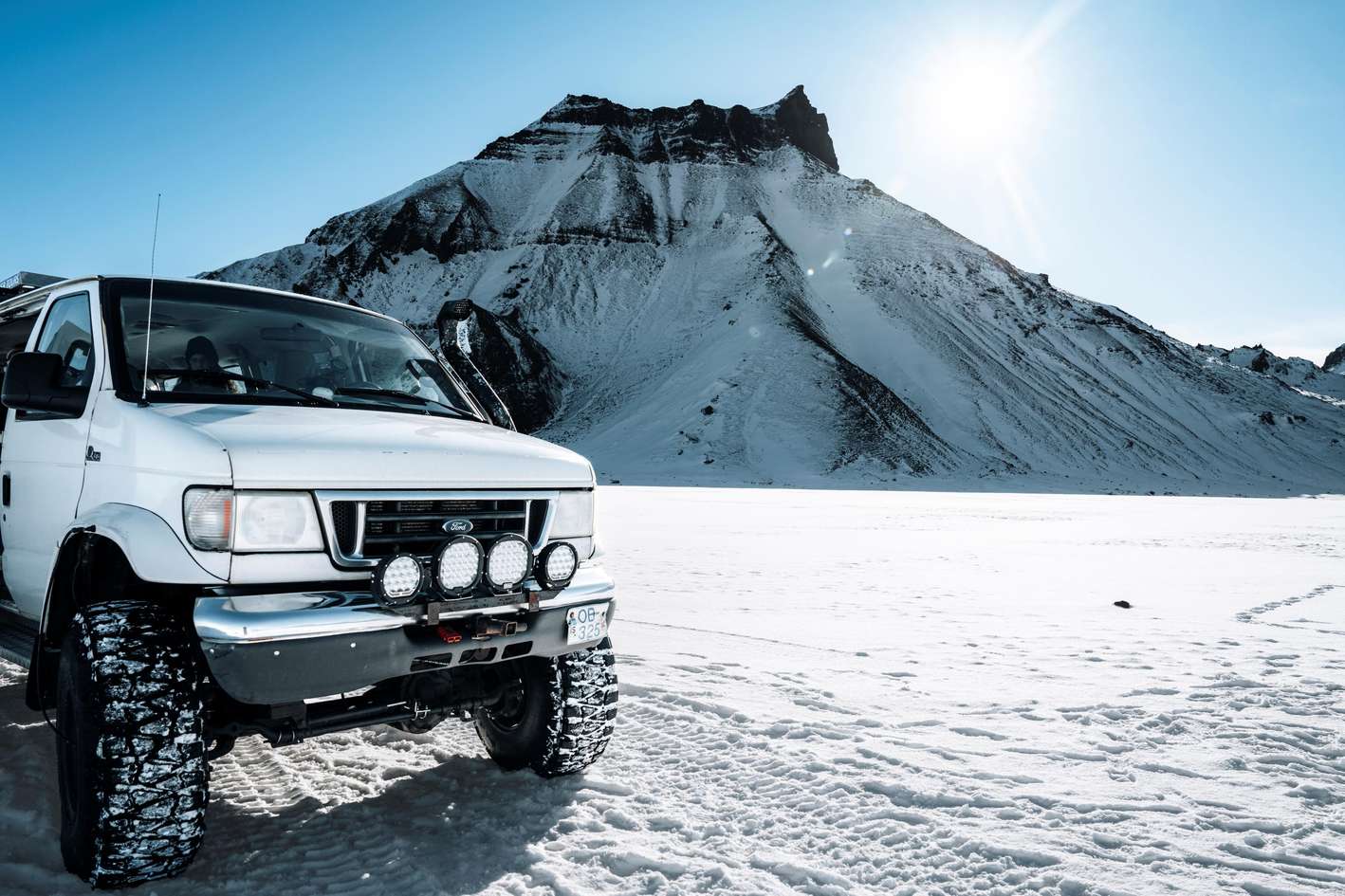
You cannot drive to Katla Ice Cave yourself. A Super Jeep and a certified guide are the only way in.
Katla runs year-round. The Crystal Ice Cave at Jökulsárlón works only from roughly November to March.
Stiff, high-top boots or you can be turned away at the gear check. Rent them on site if in doubt.
Watch umferdin.is, the Met Office and SafeTravel. A closed Route 1 means a full refund or a free reschedule.
Check the ages of everyone in your group before booking, and make sure each hiker wears EU size 34 shoes or larger so the crampons fit properly.
Reykjavík sits about 2 hours 38 minutes and 187 km from Vík, and Vík is another 2 hours 30 minutes from Jökulsárlón Glacier Lagoon. That geography decides the shape of three days: one long day out of the city, a night in Vík, a second drive east, then the return.
Day one carries the waterfalls and the Katla Ice Cave. Day two moves east past Skaftafell to the lagoon and the caves of Breiðamerkurjökull. Day three is the long drive back, best kept unhurried because sandstorms and wind can slow the stretch near Vík.
If you would rather not handle the planning at all, multi-day guided packages do this same arc for you.
One three-day tour runs the Golden Circle, the glacier lagoon and an ice cave with pickup from Reykjavík, and another runs the route in a small group with hotels booked along the way. Both exist precisely because winter self-driving is its own skill.
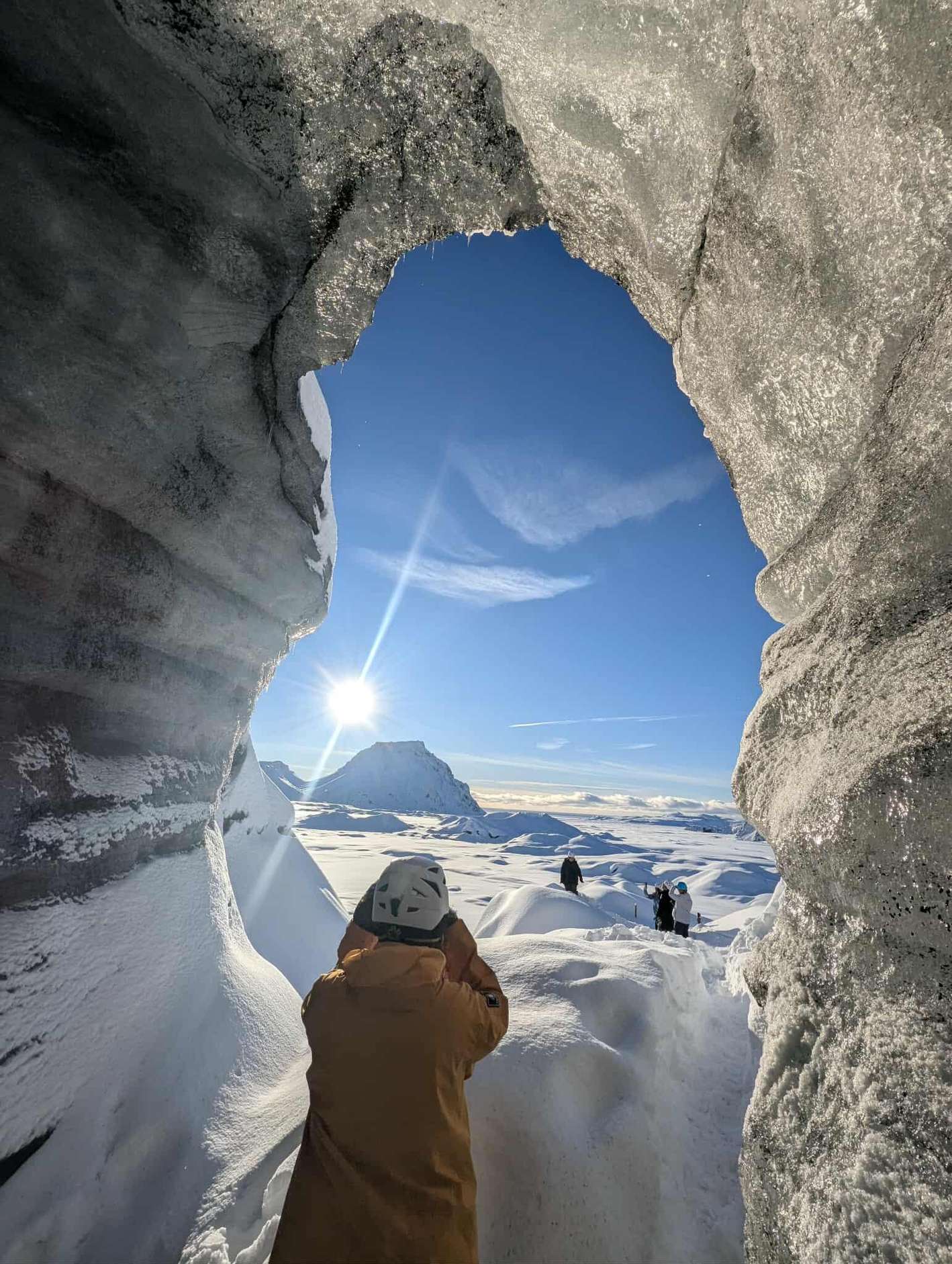
The South Coast peaks in winter for a reason: the ice caves. But the same months bring the shortest days and the rowdiest roads.
December through February, tour traffic sits at its highest and the route gets 11 to 12 snow days and 5 to 6 windy days a month, on as little as 4.5 hours of daylight, December's monthly average.
January: 5 out of 5 for how busy it gets.
Tap a month to read it.
February is the sweet spot for ice itself. The midwinter freezes give Vatnajökull caves their most stable formations and clearest blue, and the days have grown to about 8.6 hours, against 4.5 hours in December.
Both figures are monthly daylight averages for the route, and the gap between them is why a February cave day feels generous while a December one ends by mid-afternoon. Katla runs in every month, so a summer trip still gets a cave, just with less of the deep blue.
You can drive the South Coast yourself in winter, and many people do. But the road has a temper. Hellisheiði, the pass between Reykjavík and Selfoss, ices over frequently.
The exposed stretch below Eyjafjallajökull regularly takes gusts above 25 m/s. On the plains toward Mýrdalssandur and Eldhraun, blowing sand can cut visibility below 10 metres, and strong winds can push a vehicle sideways.
Closures add a second problem. Route 1 shuts during individual storms, usually for a few hours, sometimes for a day. In December 2022, blizzards closed busy south coast roads for days. A rental 4WD changes little here: by law, 4WD is mandatory only on the Highland F-roads.
Two travelers who have done both say first-timers unsure of winter roads cover the sights better on organized small-group tours from Reykjavík. One twelve-hour day tour handles pickup, the waterfalls and the cave, and a three-day trip avoids a long return drive on the second day.
If you drive, check umferdin.is for road conditions and webcams, the Icelandic Met Office for the forecast, and SafeTravel for alerts, every morning before you leave.
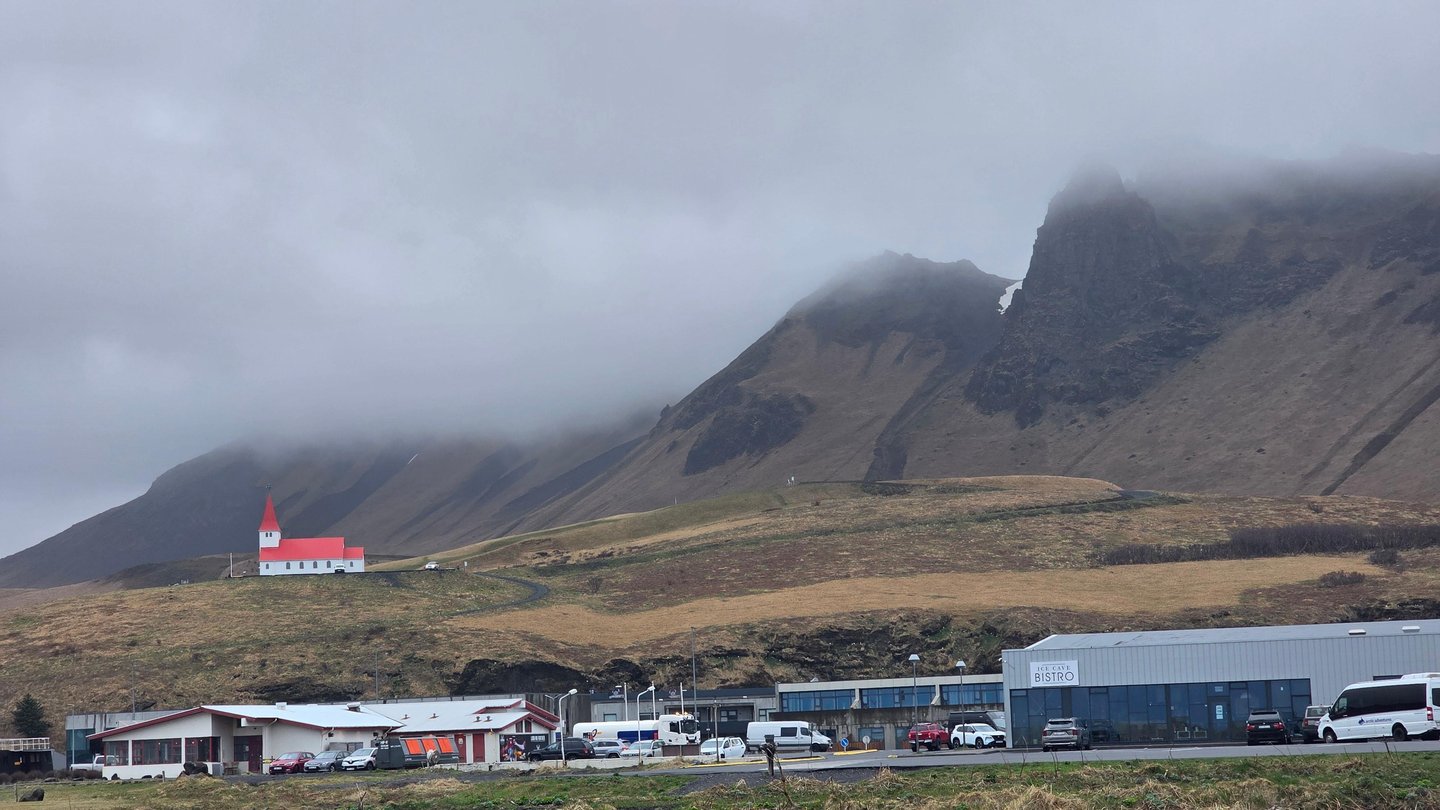
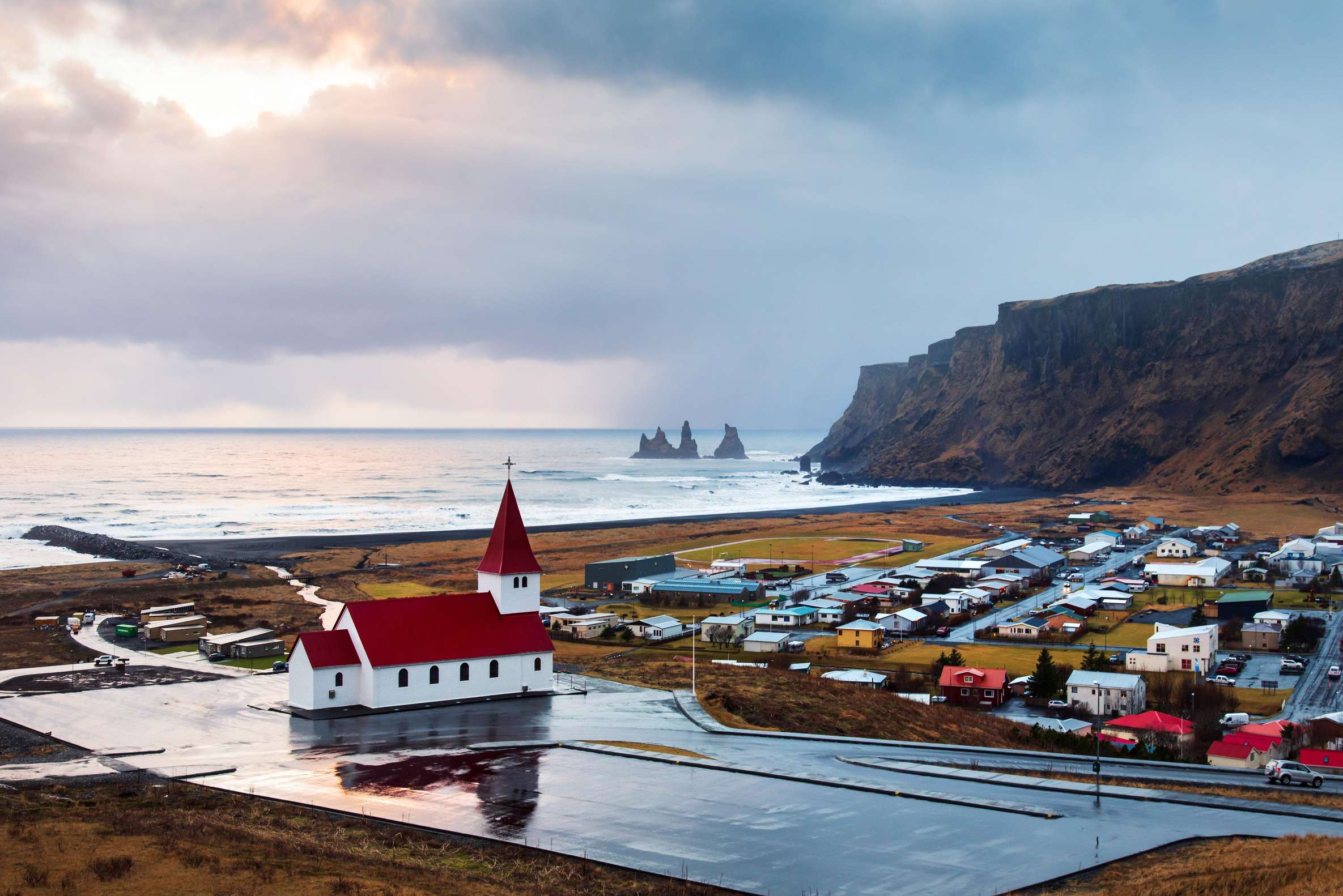
Choose your overnight bases by drive time alone. Vík í Mýrdal gives the most even split: 2 hr 38 min from Reykjavík, 2 hr 30 min to the lagoon.
Kirkjubæjarklaustur shortens the second leg but makes the first one long, at 3 hr 29 min. The rows below count the drive from each base to Jökulsárlón, so the Vík and Kirkjubæjarklaustur rows show only the leg that follows your overnight stop.
Read the rows as legs and the totals line up: the Reykjavík row is the whole drive, split into the two legs the other rows count separately. Vík sits closest to an even split, and Kirkjubæjarklaustur buys the shortest second morning at the cost of a long first day.
Rooms along the route are the real constraint. Tour traffic runs at nearly double an ordinary month in December and stays high through January and February, and independent rooms in Vík and Kirkjubæjarklaustur sell out. Multi-day minibus packages pre-book countryside hotels, which is why some travelers bundle lodging with transport and skip the room hunt.
Keep one night near Höfn or Skaftafell flexible if you can. Repositioning under clear skies gives a far better chance of catching the Northern Lights than sitting under cloud cover, and two travelers who switch hotels every night say the constant check-ins wear them down. Stay put once you are somewhere good.
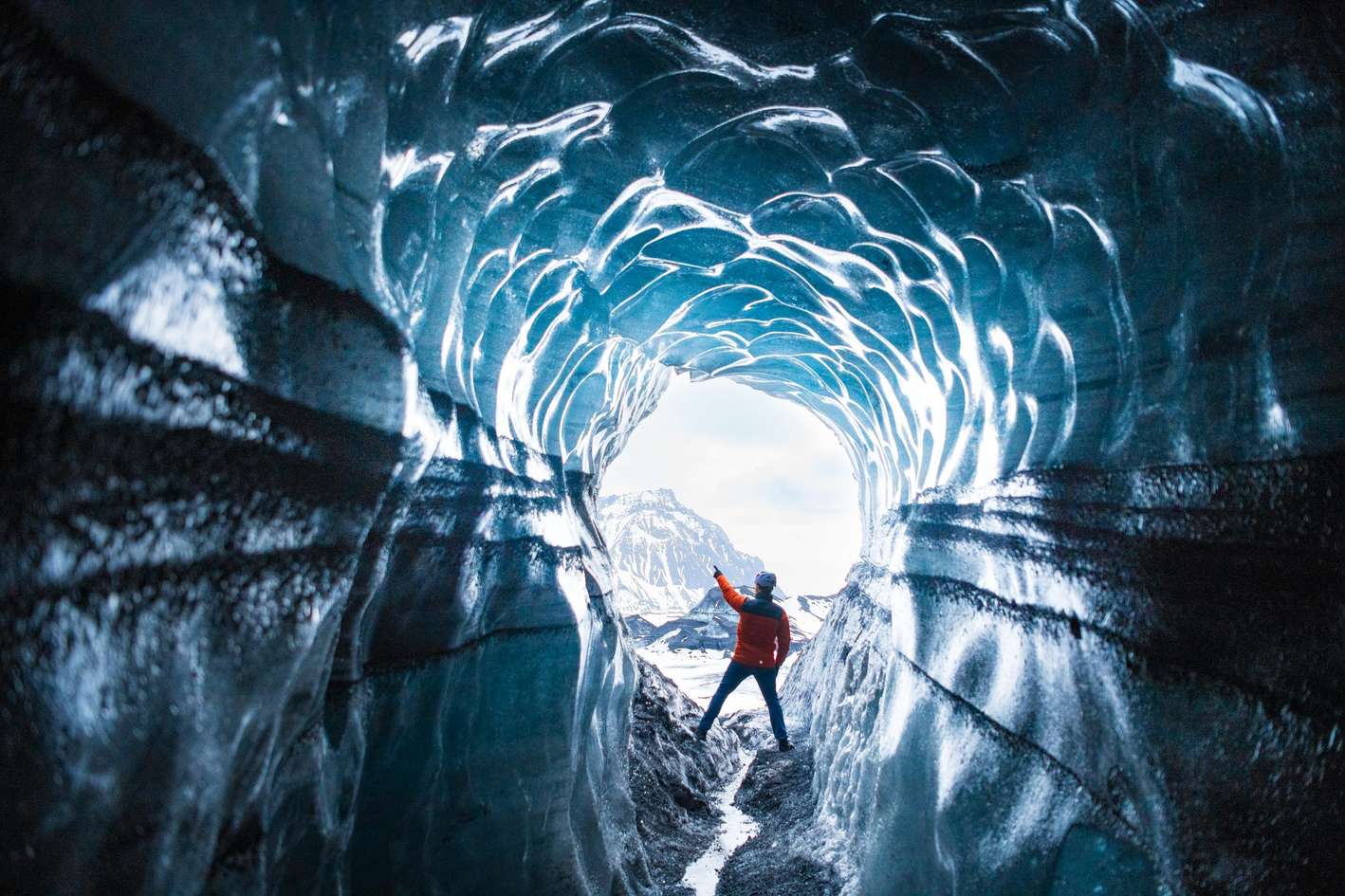
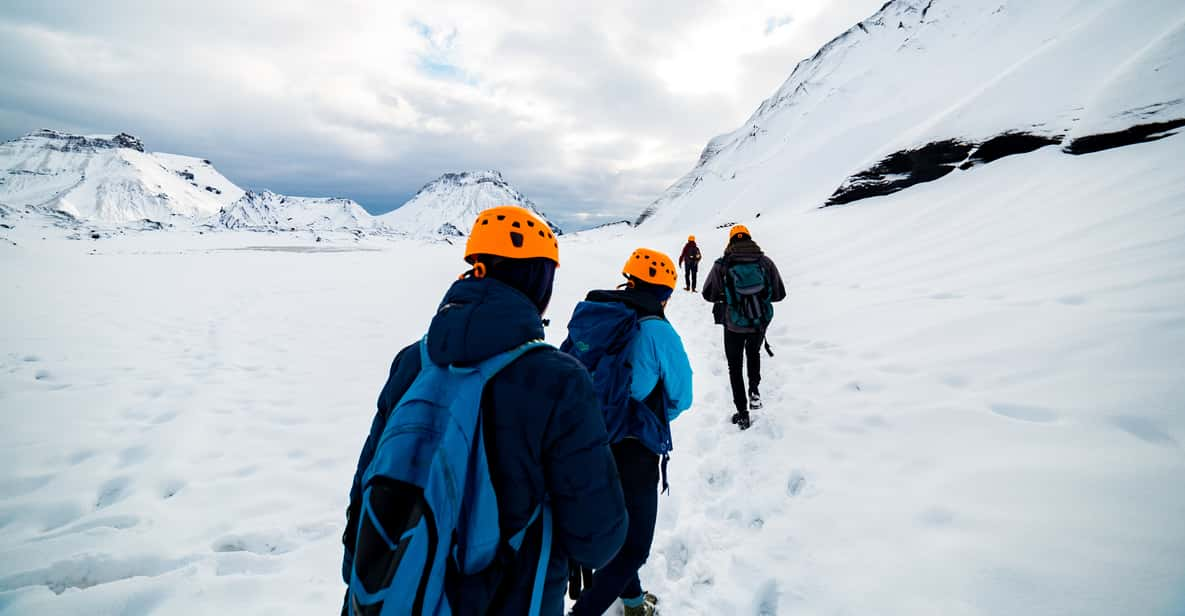
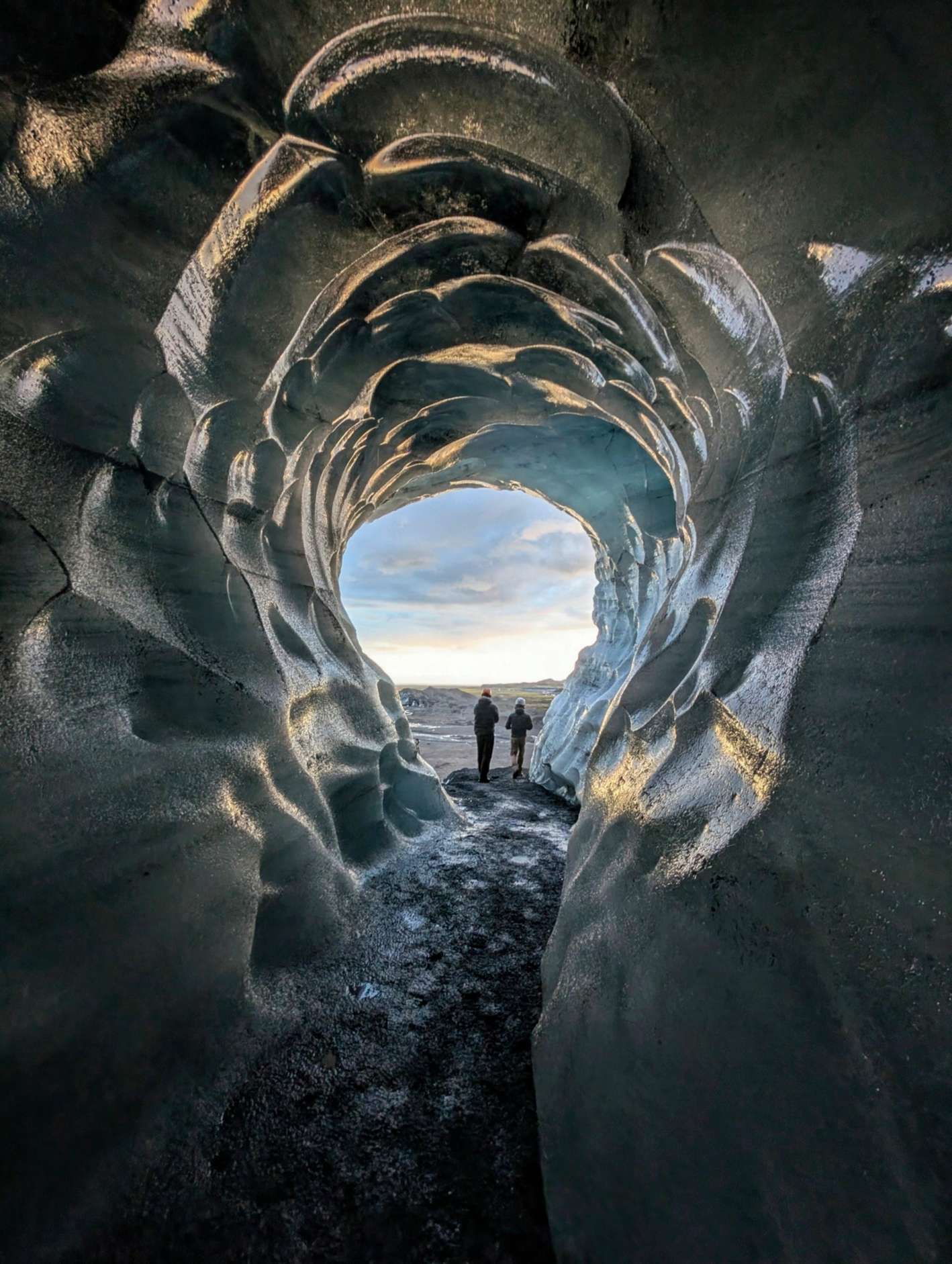
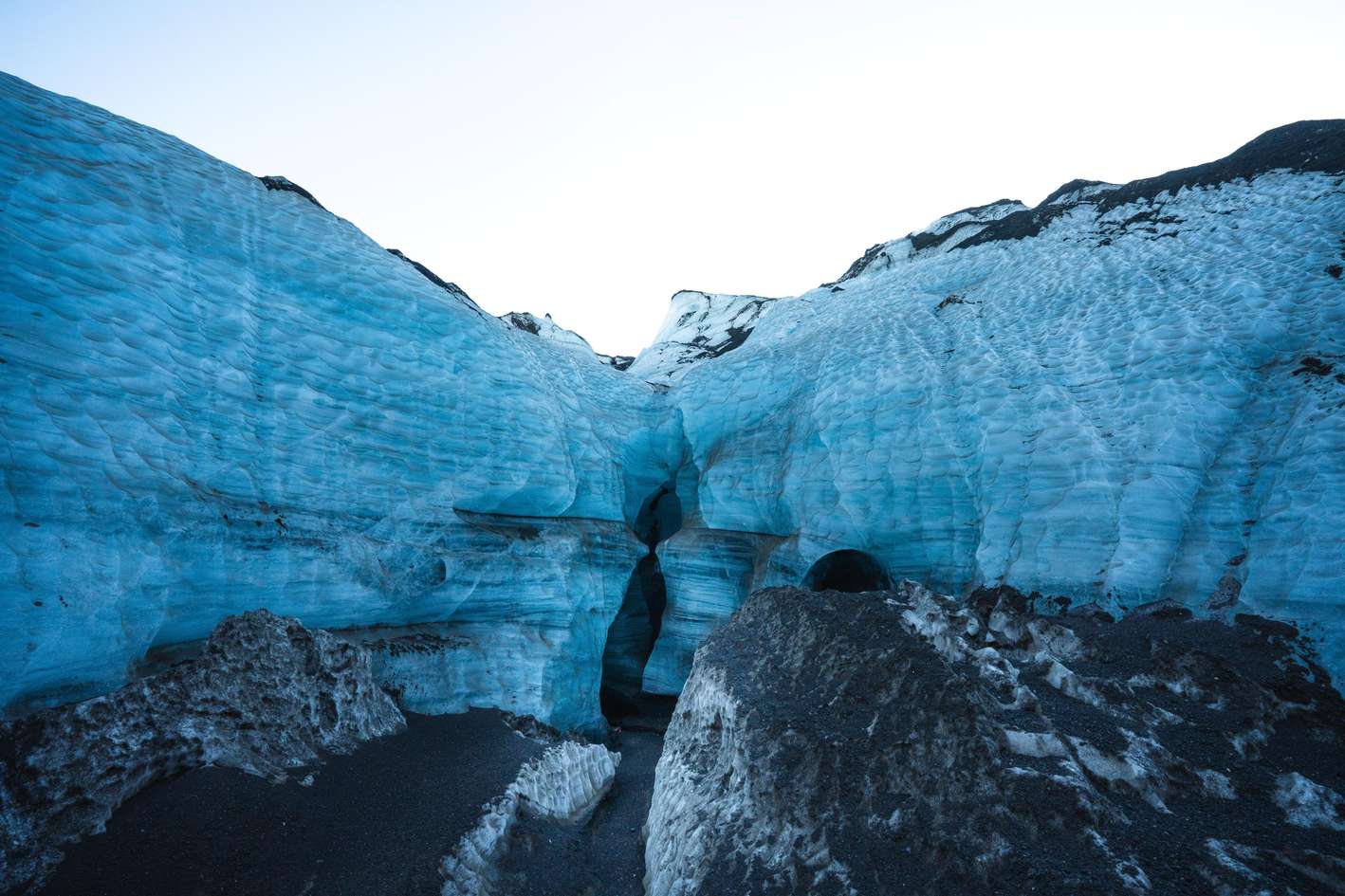
Katla Ice Cave sits in Kötlujökull, an outlet of Mýrdalsjökull near Vík, and the day has a fixed shape.
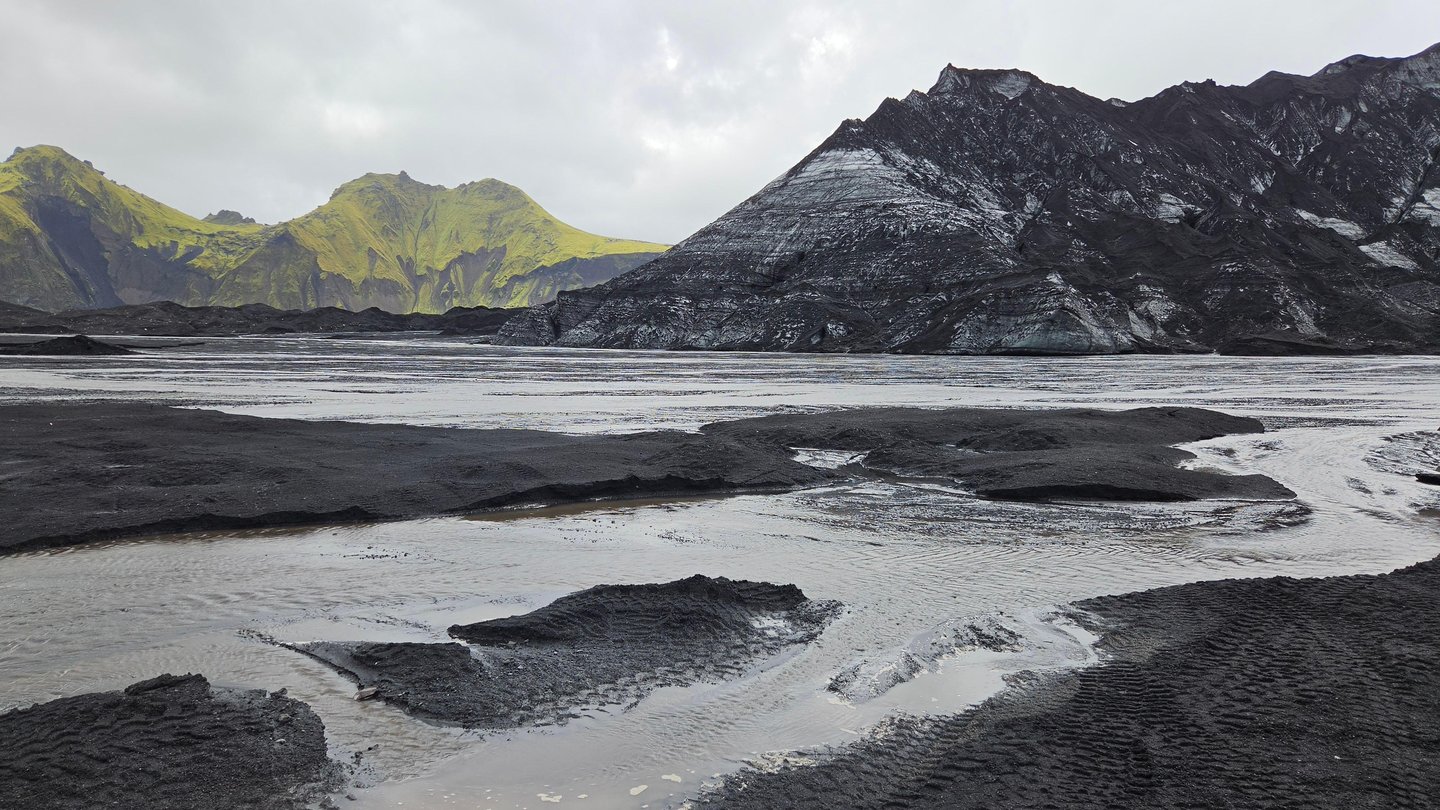
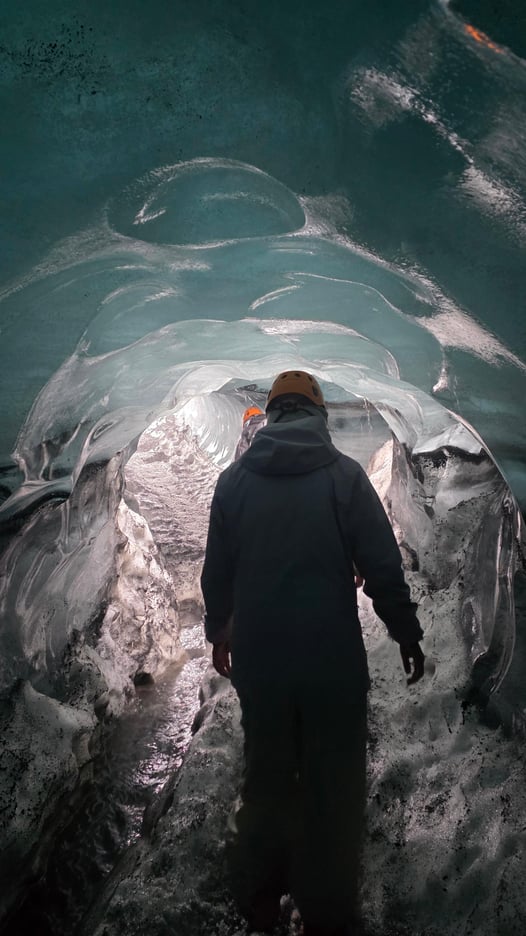
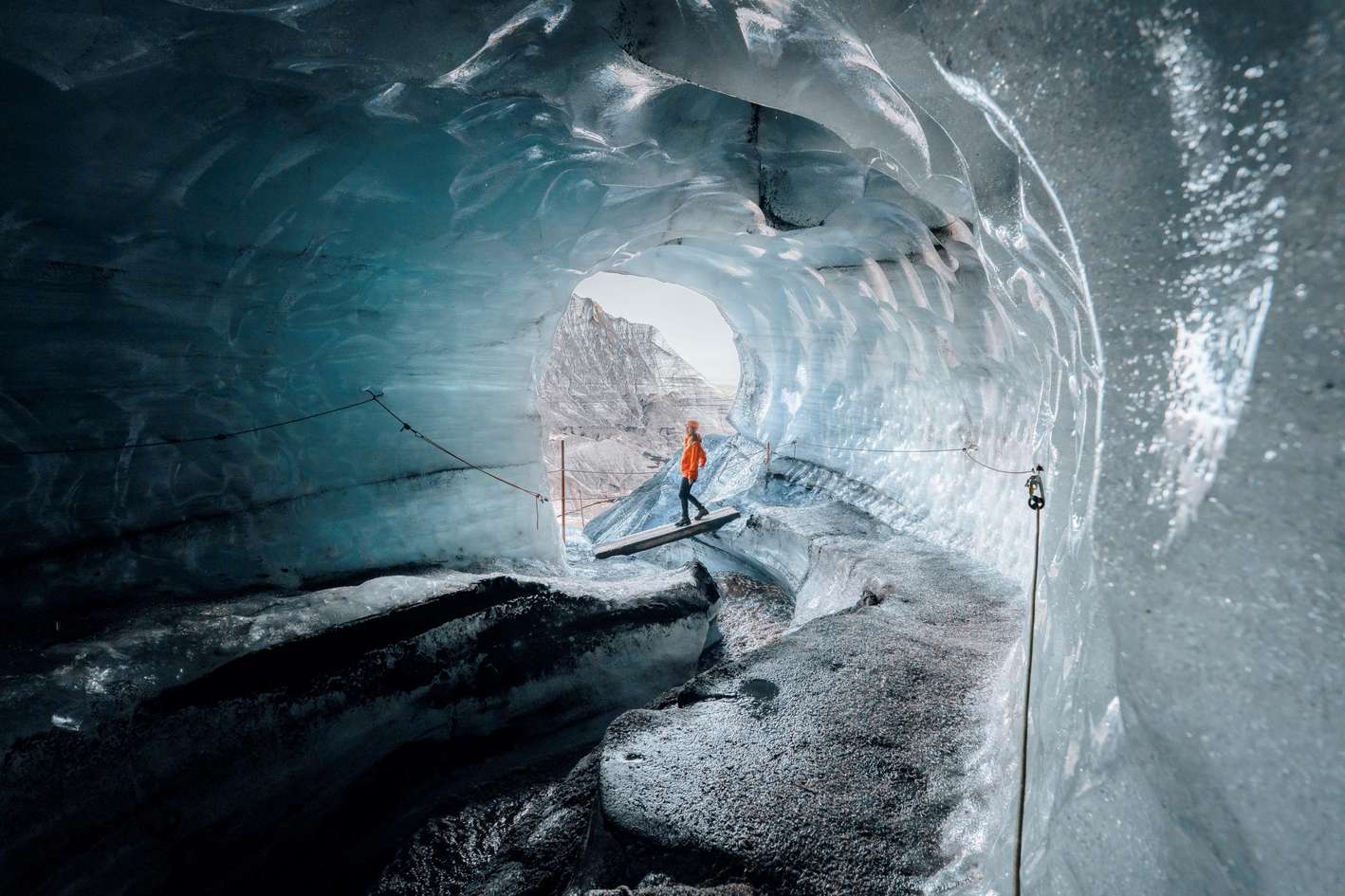
You meet in Vík, ride about 40 minutes in a Super Jeep across black sand, old lava and shallow streams to the glacier edge, walk roughly 1 to 2 km over uneven terrain with minor elevation, then spend about 30 minutes inside the cave.
On a 3-hour tour, the cave is roughly one-sixth of the time; the jeep and the approach make up the rest.
The approach is honest about itself: some visitors describe it as an easy climb that still takes stamina, others as steep and difficult in crampons, and the route varies with weather. The ride itself is bumpy enough to trigger motion sickness, so bring what you need for that.
Before you book, keep three facts about access in mind, because they decide how you get there.
Standard rental SUVs cannot navigate the rough glacial tracks The all-terrain Super Jeeps are operated only by tour companies Entry without a certified glacier guide is prohibited
Those access rules are why the Katla tours from Vík run entirely on Super Jeep transport with a certified guide: the ride and the supervision are the product.
Two travelers advise the earliest morning departure in late autumn for better natural light on the glacier and inside the cave, and travelers generally recommend the first slot or the last afternoon one to dodge the largest crowds.
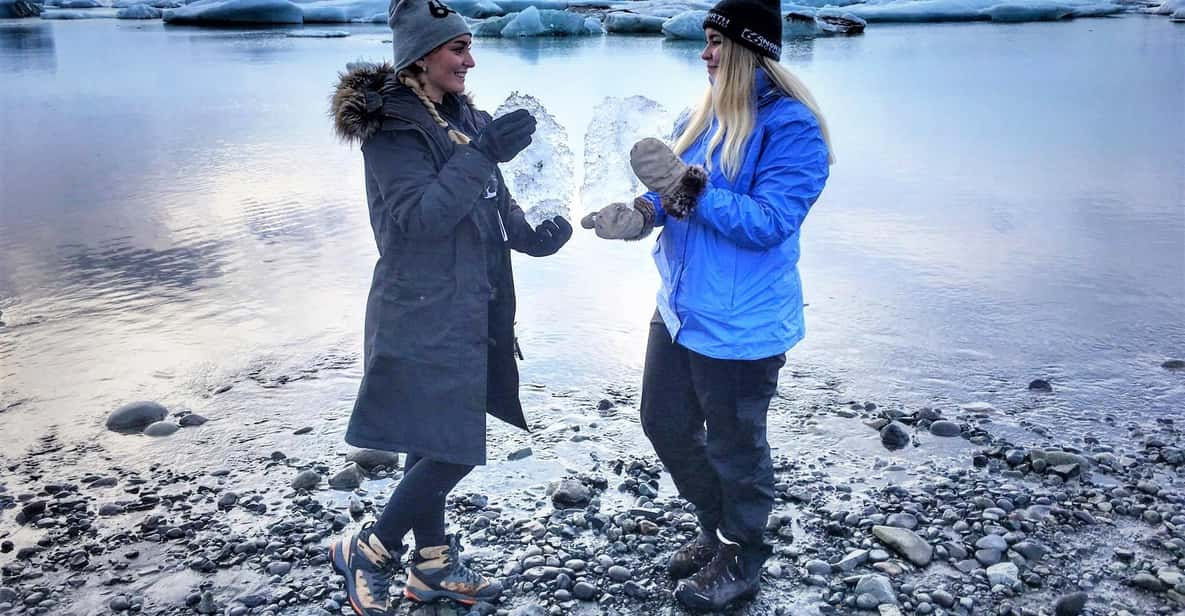
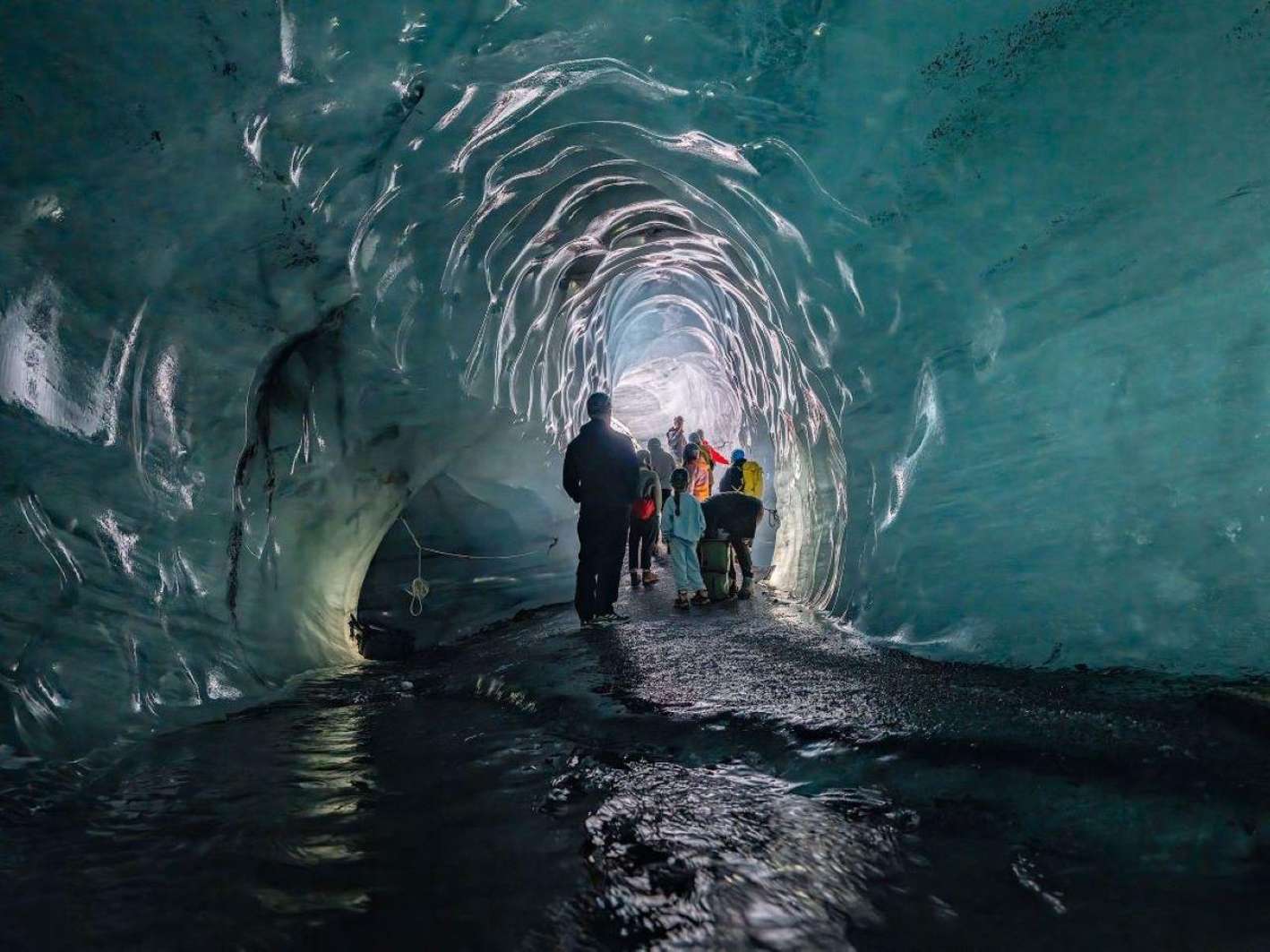
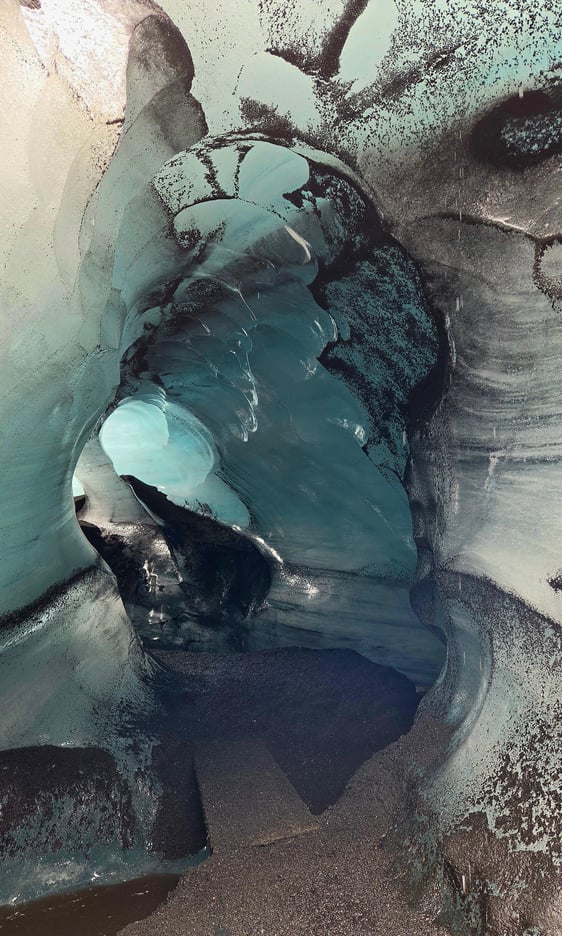
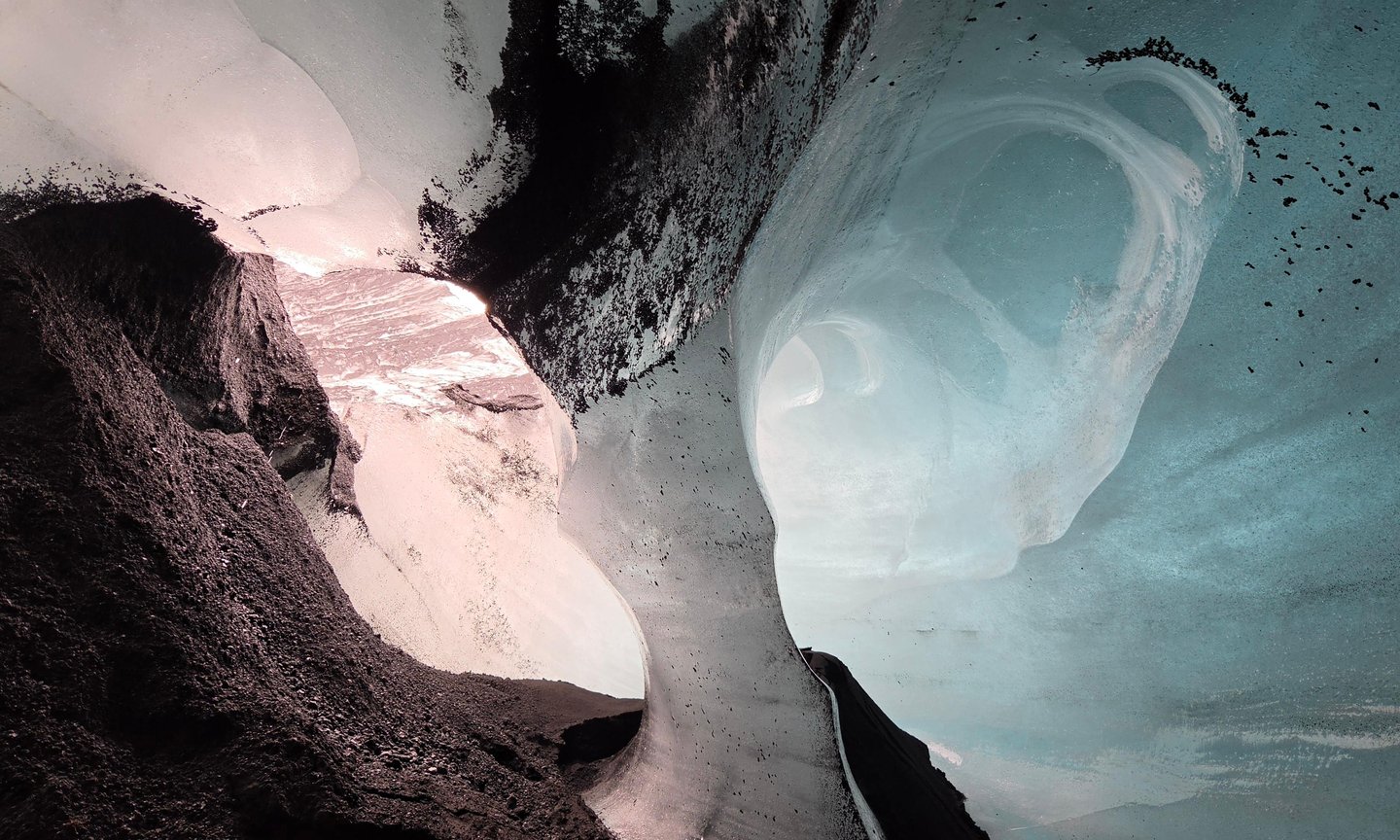
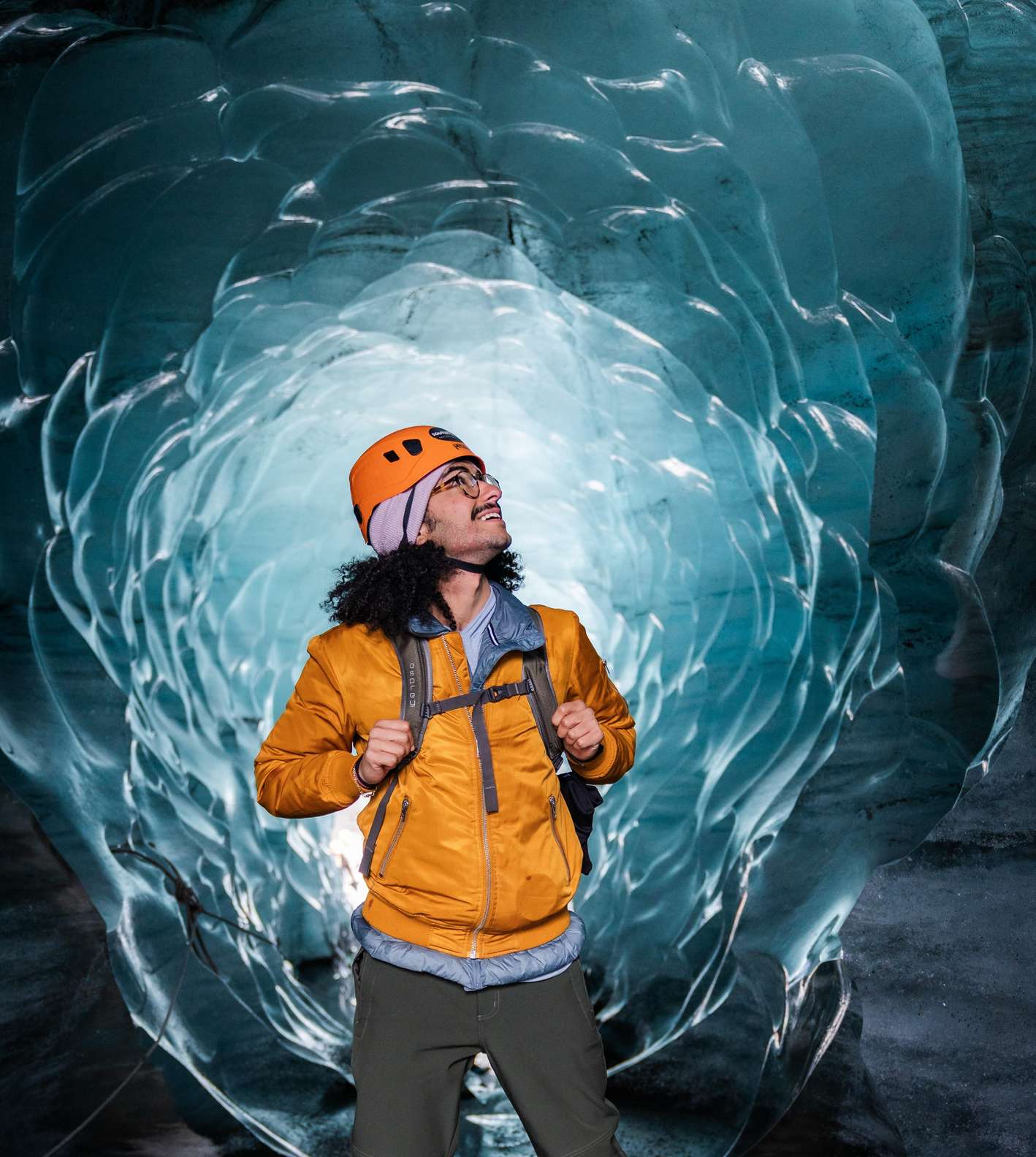
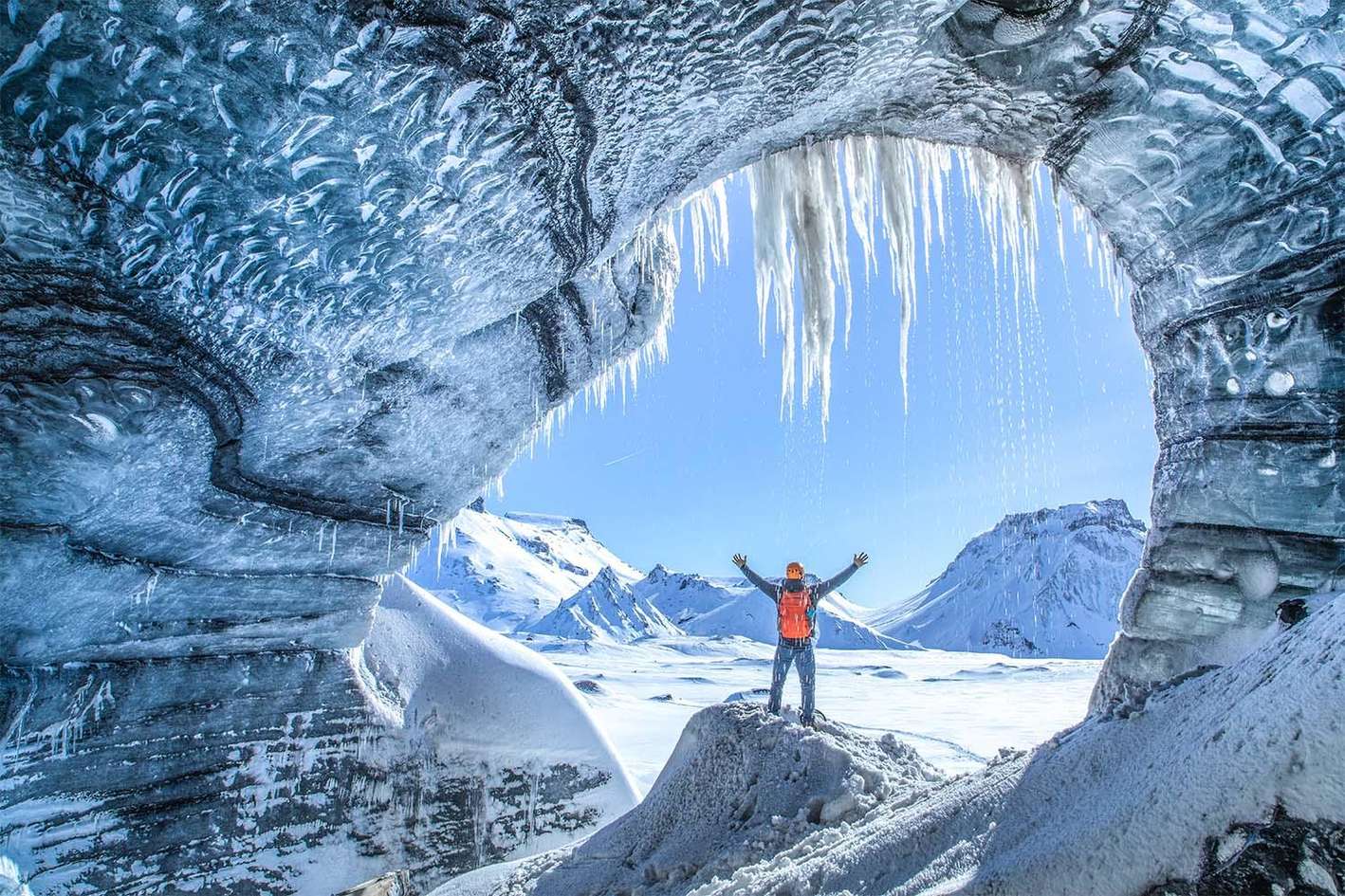
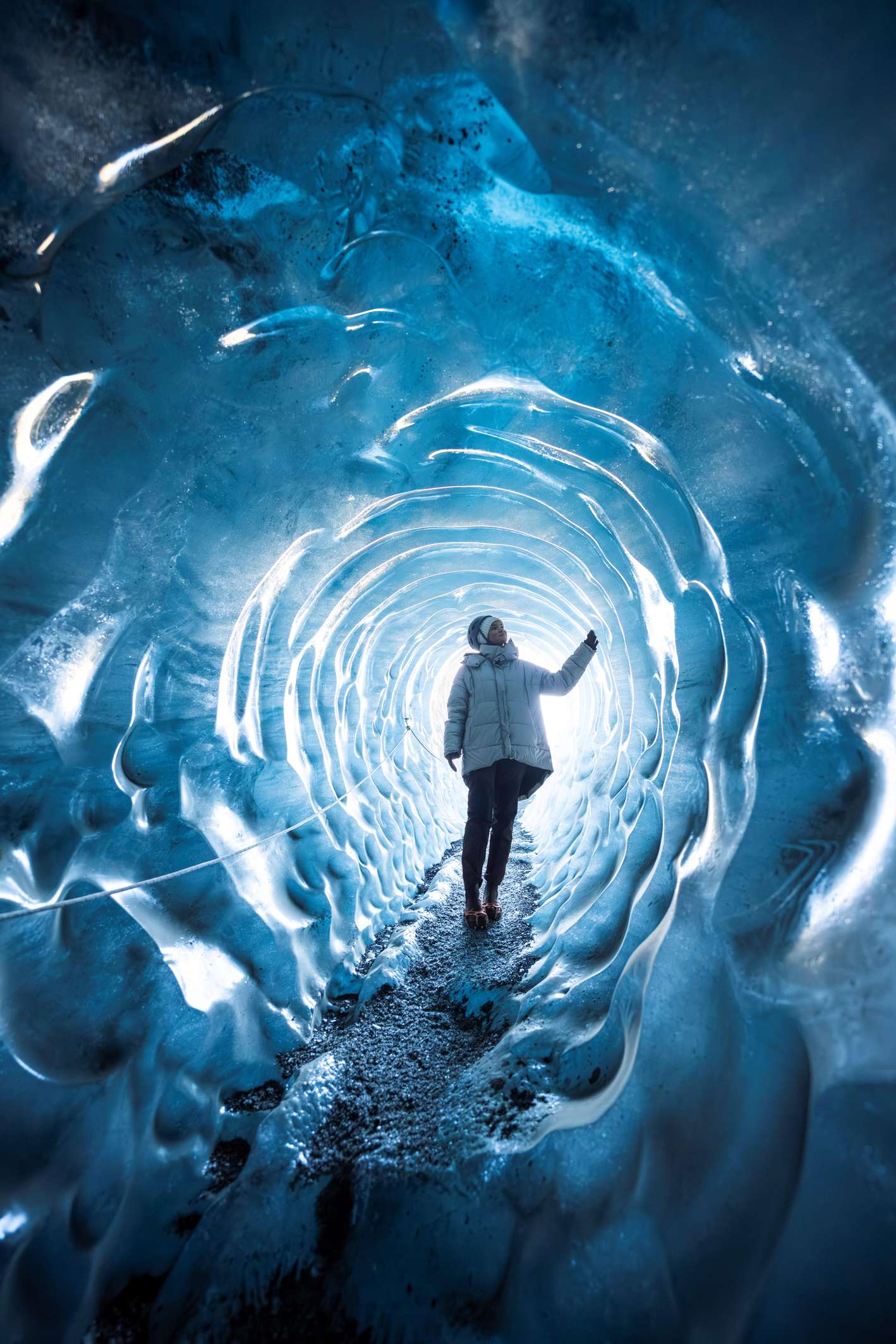
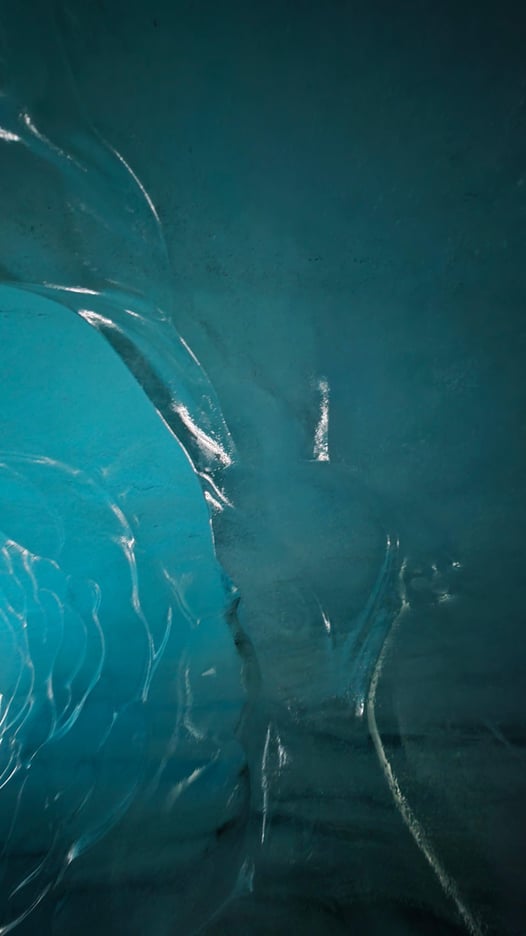
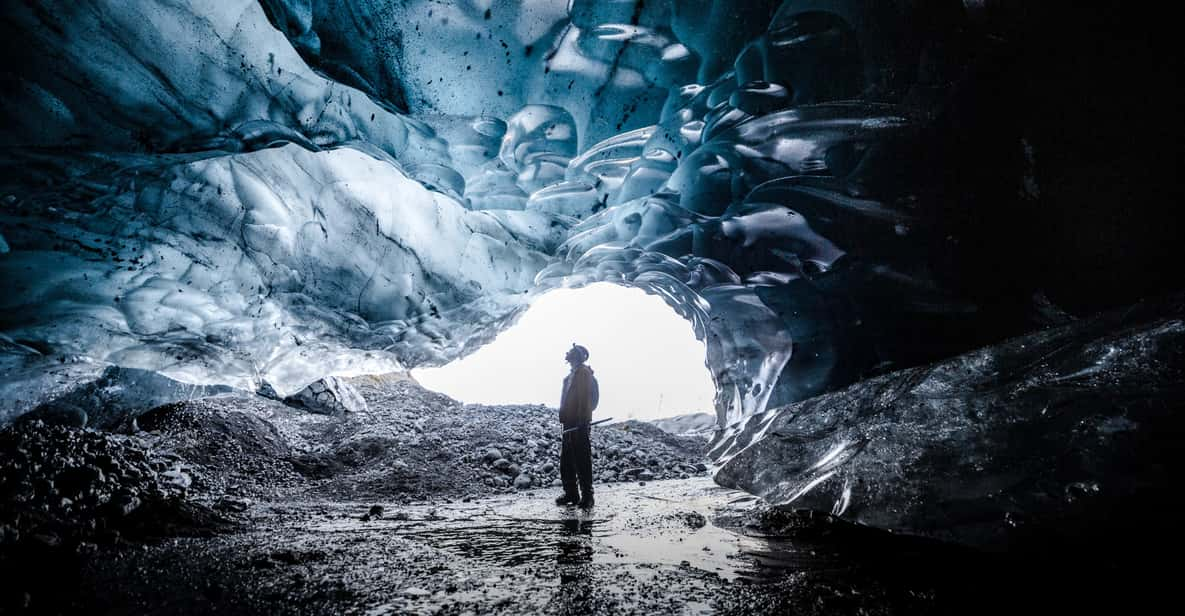
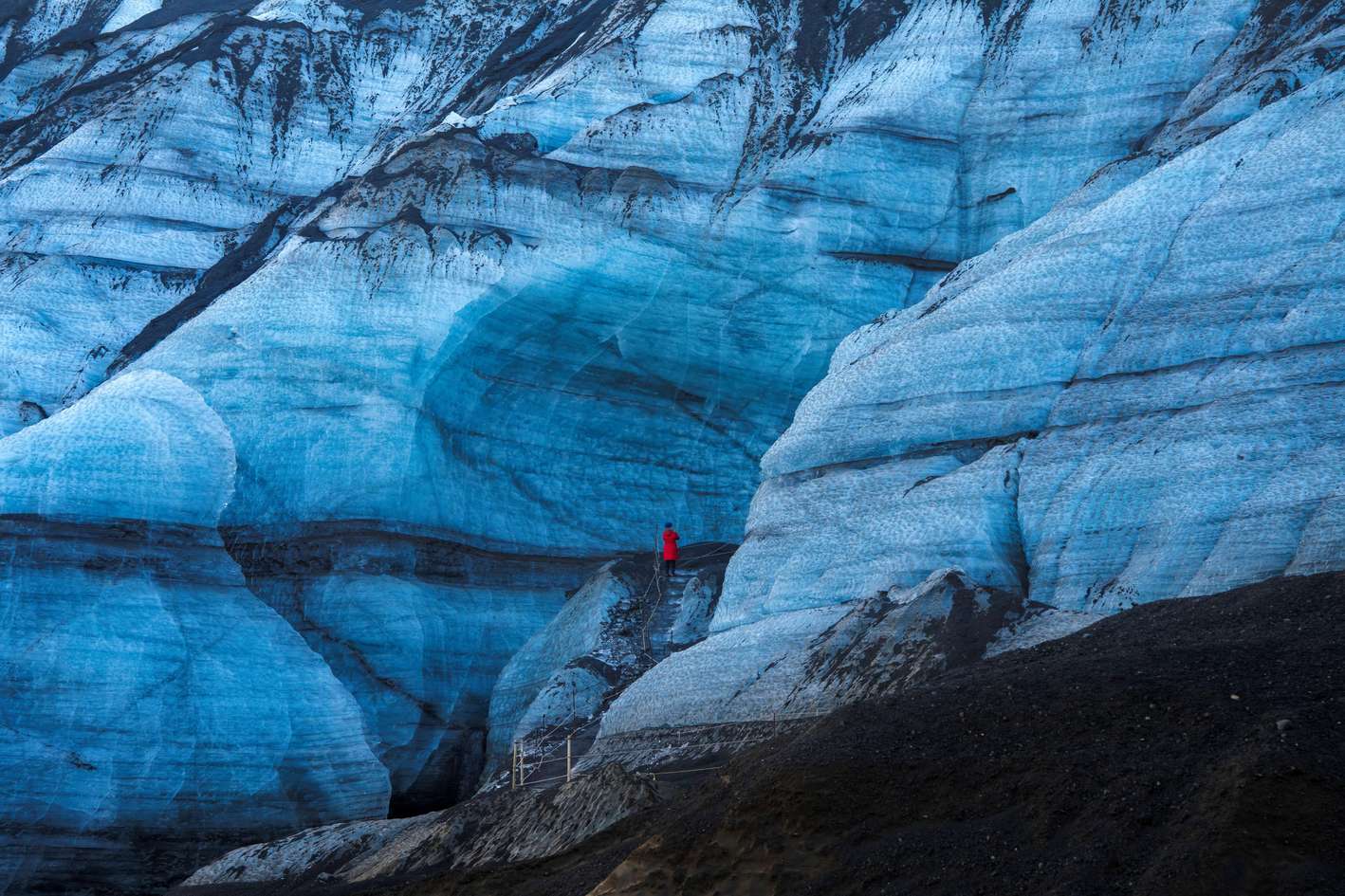
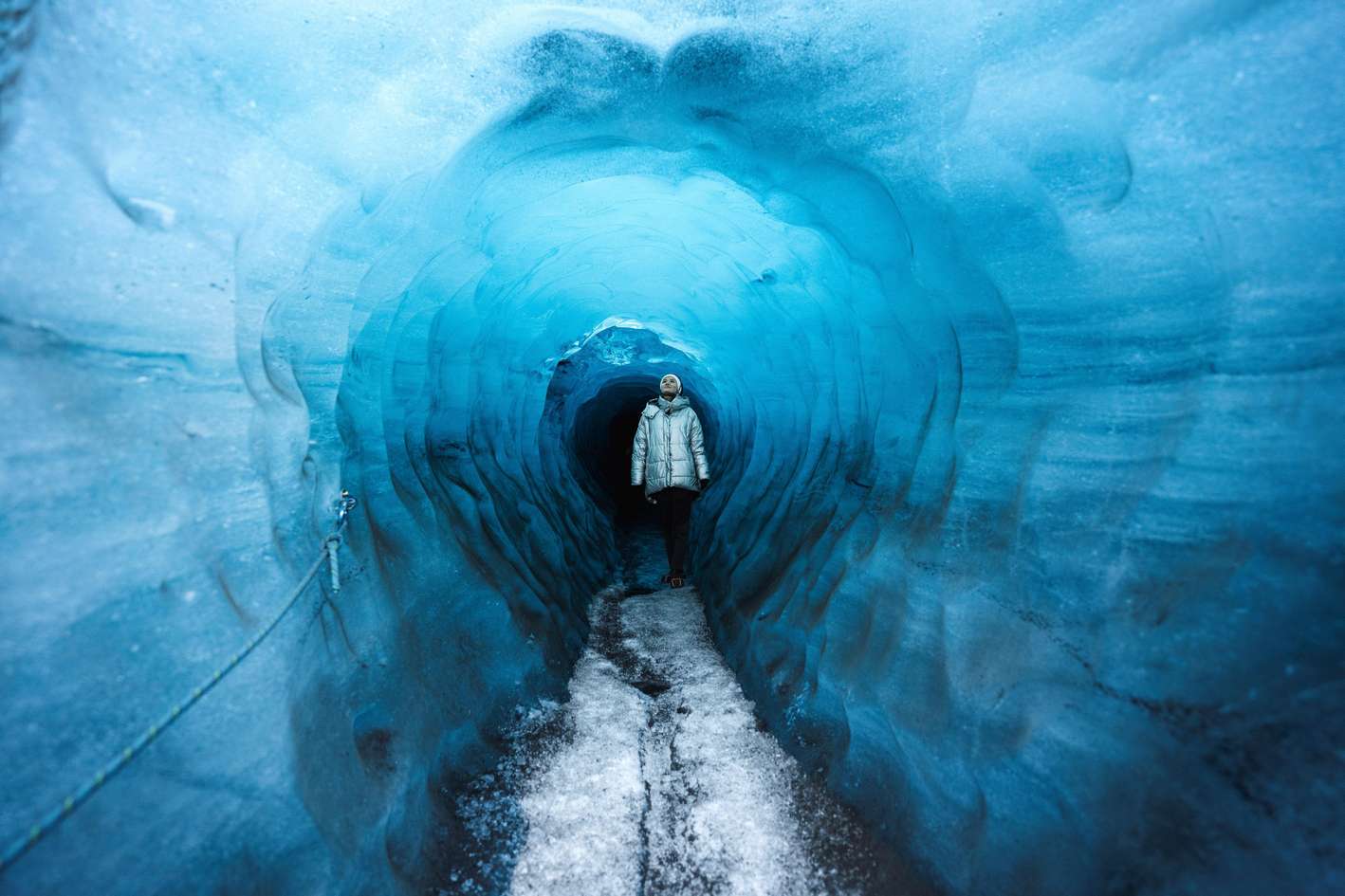
The two caves near your route look nothing alike. Katla has black volcanic-ash bands running through blue ice, and Katla's brighter natural light makes it easier to move around and photograph. The Crystal Ice Cave at Breiðamerkurjökull, near Jökulsárlón, glows in shades of sapphire and is known for dense, luminous blue walls.
| Looks | Ash-streaked blue versus luminous sapphire | |
|---|---|---|
| Season | Year-round versus roughly November to March | |
| Approach | Short easy hike over uneven terrain versus short easy walk | |
| Base | Vík versus Jökulsárlón |
The season decides it for most people. Katla tours run year-round, and the cave stays accessible in late summer when many Vatnajökull caves are not stable or open.
Crystal Ice Cave excursions run from the beginning of November through March and shut down by April 1, and Vatnajökull cave visits are closed entirely from May through September, because summer melt thins, floods or destabilizes the formations.
The Crystal side also means more waiting: two travelers note it can get crowded and involve queuing to enter. Both caves change between visits, so what you see is what the season gave you.
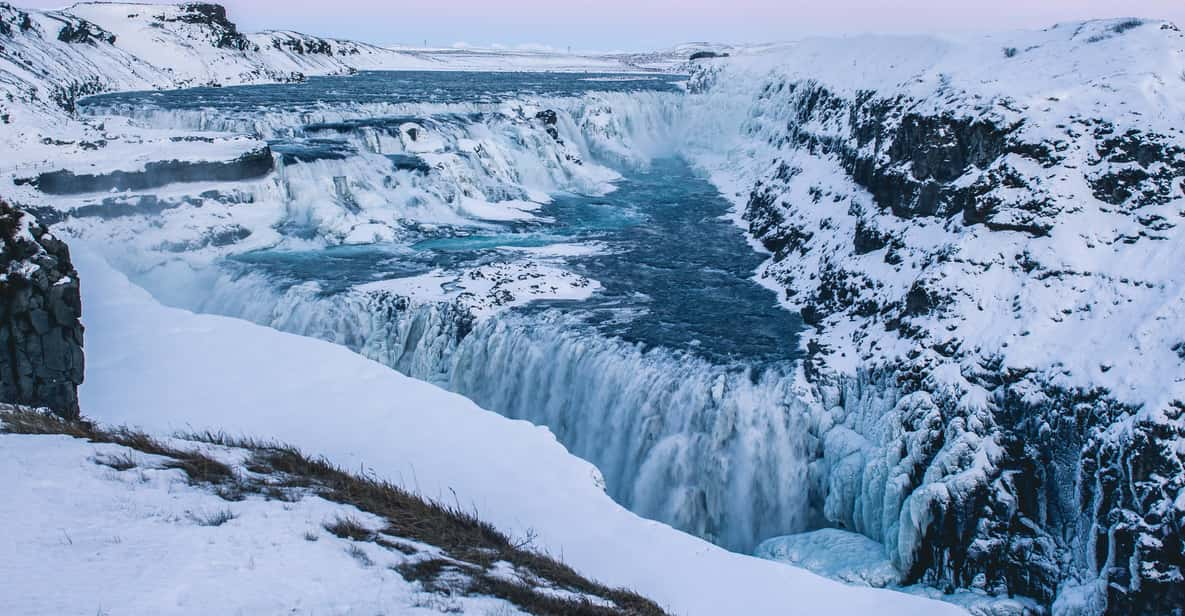
Meltwater drips from the roof of a natural ice cave, so pack a waterproof, wind-resistant jacket and trousers, sturdy waterproof hiking boots with good ankle support, and warm layers in between. The cave sits around 0°C year-round, and in winter it can be warmer inside than the air outside.
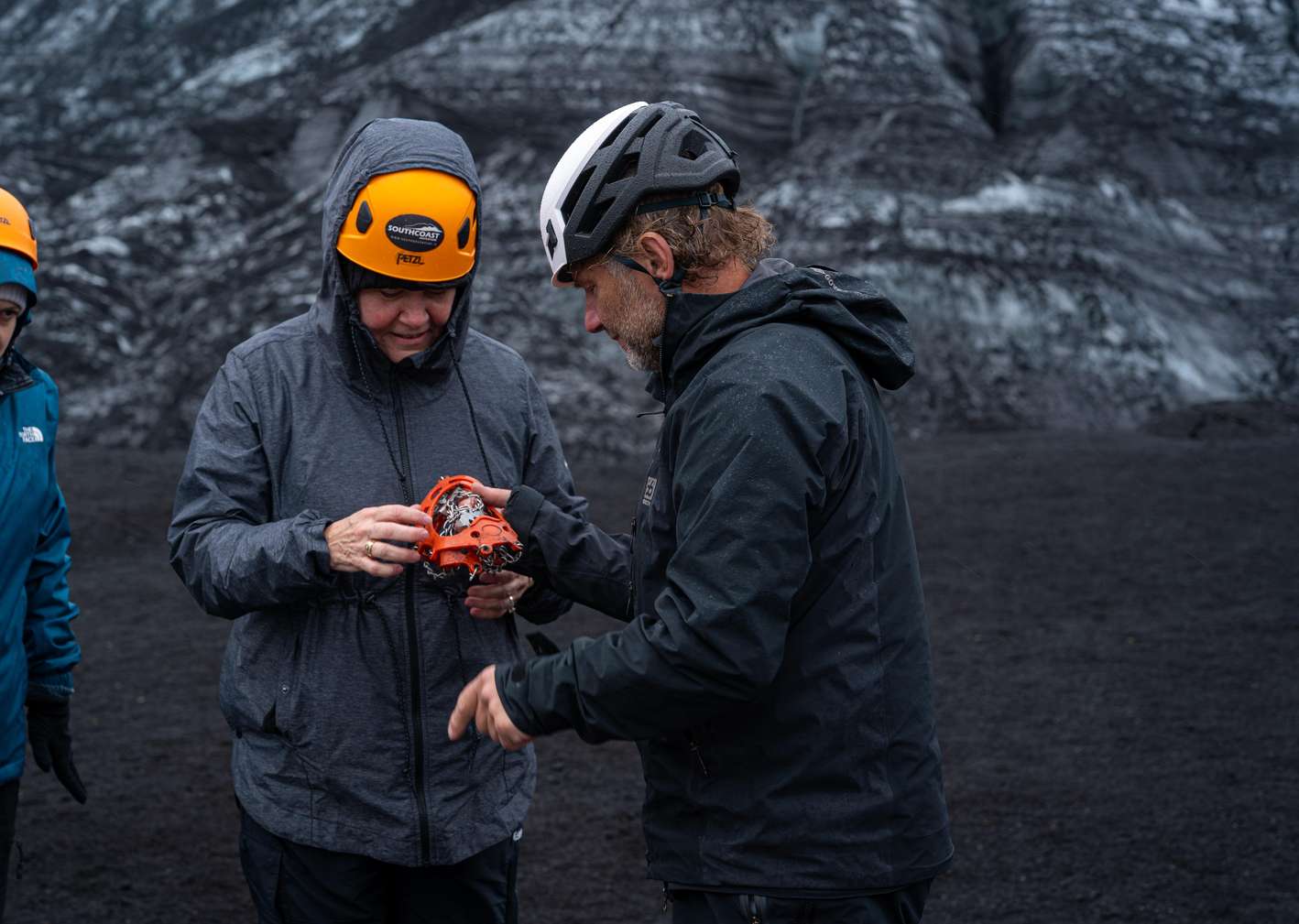
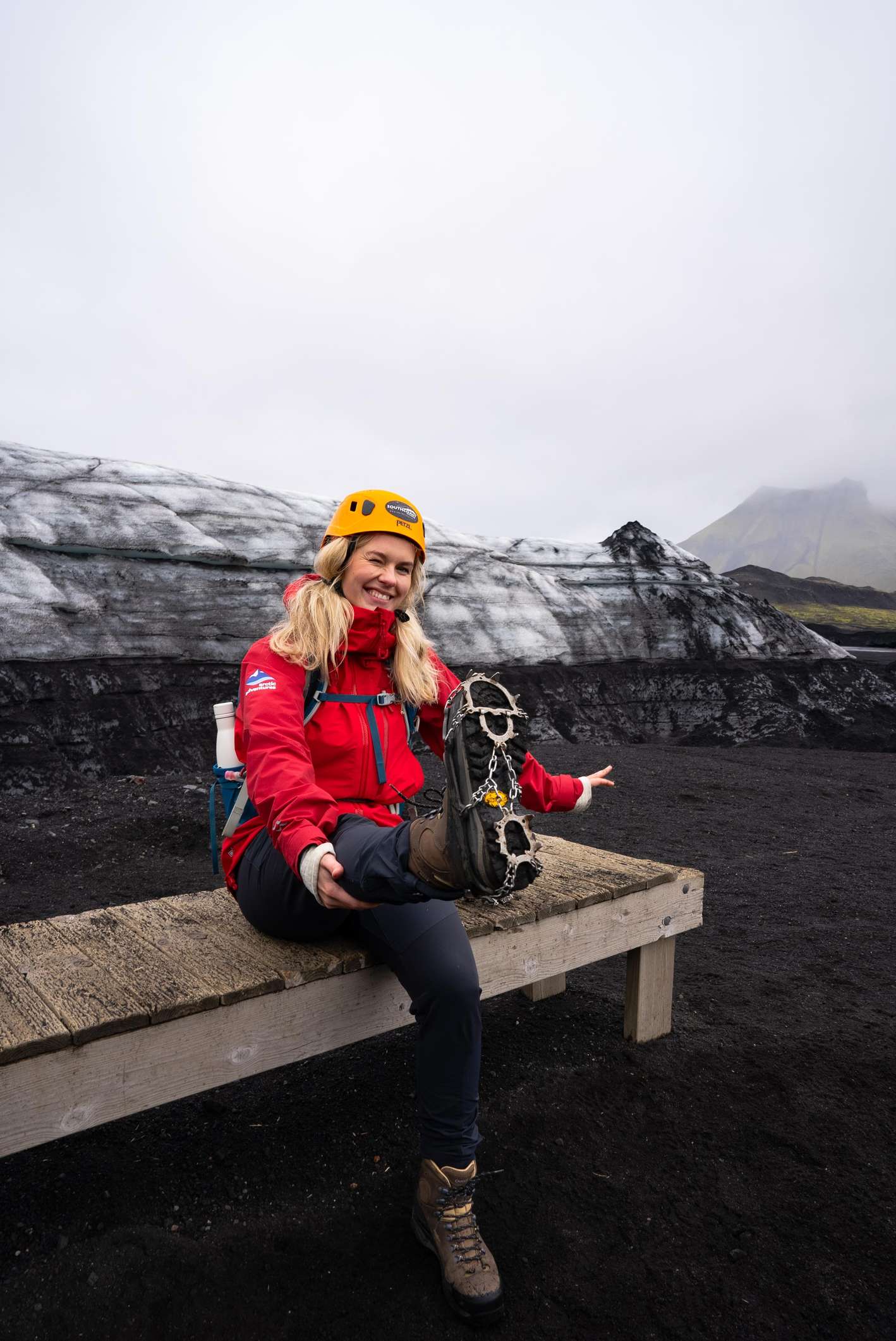
The boots are the part that stops people. Crampons need a hard, stiff sole and a snug fit around the ankle, and soft sneakers and low shoes can get you turned away at the gear check.
The Jökulsárlón glacier exploration tour requires stiff boots that cover the ankles and may deny participation for safety reasons if a participant is not properly dressed. One tour operator makes hiking boots mandatory and rents them at the cave.
Unfit footwear fails the crampon check and can end your cave or glacier day before it starts Boots can be rented on site at the cave and at the glacier hikes
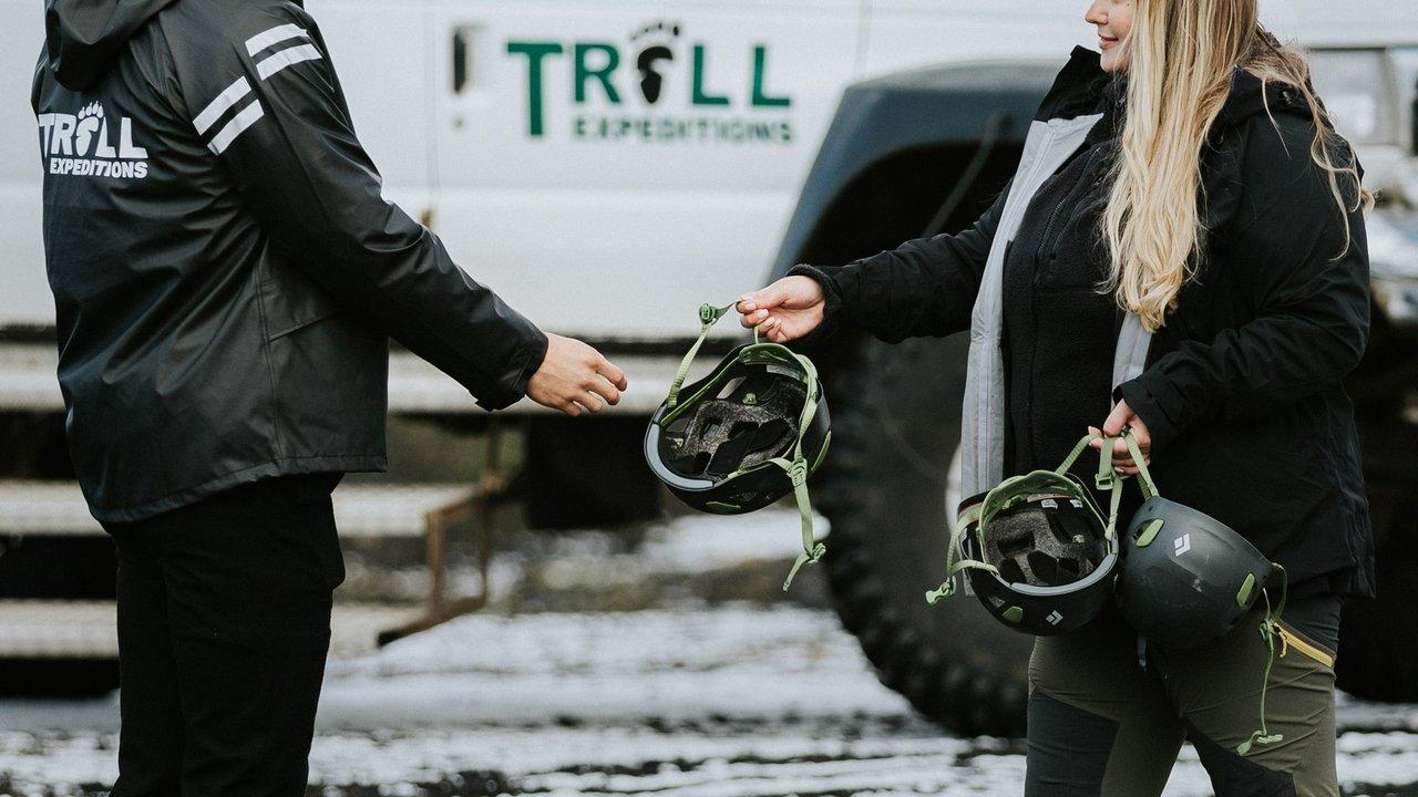
Operators supply the rest: crampons, a helmet and a headlamp on the cave tours, and a harness and ice axe on the Falljökull glacier hike, which also requires age 8 or older and EU 34 shoes or larger.
On the cave side, minimum ages run from 6 on some tours to 8 or 12 on others, and some Katla tours are not suitable for people with limited mobility or heart problems.
The Reykjavík small-group Katla tour calls the walk easy: 20 minutes on a sandy path, 10 minutes on the glacier.
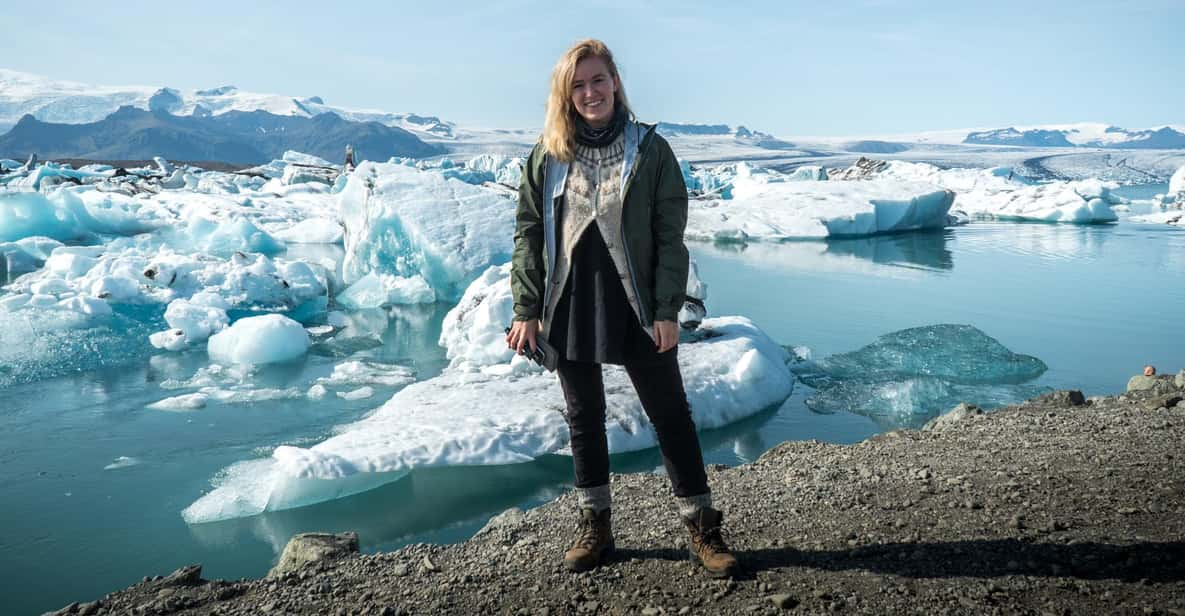
Reykjavík pickups work on a numbered system of authorized tour stops, different from city bus stops. Commercial vehicles are kept out of most of the centre, so tours collect from designated spots, including Bus Stop #1 through #6, #9, #11, #12, #13 and #14.
Be at your stop from the start of the pickup window, because the vehicle can take up to 30 minutes to arrive, and wait outside where the driver can see you. Change your pickup location through My Bookings at least two hours before departure.
Self-drivers meet the tours directly. One Katla tour meets in the lobby of Vík Inn, and you should arrive 20 minutes early to check in.
At Jökulsárlón, the Crystal Ice Cave tour meets on the east side of the parking lot, farther from the lagoon, and you should allow at least 20 minutes to find parking.
A different logo on the vehicle is normal. Tours may be run by partner companies, so ask the driver to confirm which tour you have joined before you doubt your booking.
In your daypack, keep water, snacks or a packed lunch, a camera, and one warm waterproof layer, while the big suitcase rides in the luggage bay.
Closures are a routine part of a South Coast winter. Severe gales or blizzards can stop the drive from Reykjavík to Vík, and road updates mark conditions as impassable, closed or driving prohibited.
Under orange alerts, sustained winds of 18 to 35 m/s or gusts above 40 m/s can prompt Route 1 closures, and a red alert brings widespread closures and cancellations. Katla tours are also suspended when seismic activity or sub-glacial flooding becomes a concern, or when rain and thaw raise the risk.
The money side is defined. Operators assess weather, road and glacier conditions each morning. If the operator cancels for weather, safety or glacier conditions, you can reschedule or receive a full refund, and the Jökulsárlón Crystal Ice Cave tour states a full refund outright.
If authorities close Ring Road 1 before you can reach the meeting point, operators treat the booking as a safety cancellation, with a refund or a free reschedule. If you see a closure, call the operator before departure time to sort your options.
Orange or red alerts can close Route 1 or cancel Katla and glacier tours Operator-cancelled tours get a full refund or a free reschedule If a closure stops you reaching the meeting point, call before departure Road closures count as safety cancellations with refund or reschedule
For your planning, this means a storm costs you time and never money: you either move the tour to another day or get the booking back in full. The one action that keeps it that way is calling before the departure time, so the operator logs your call as a road-closure cancellation.
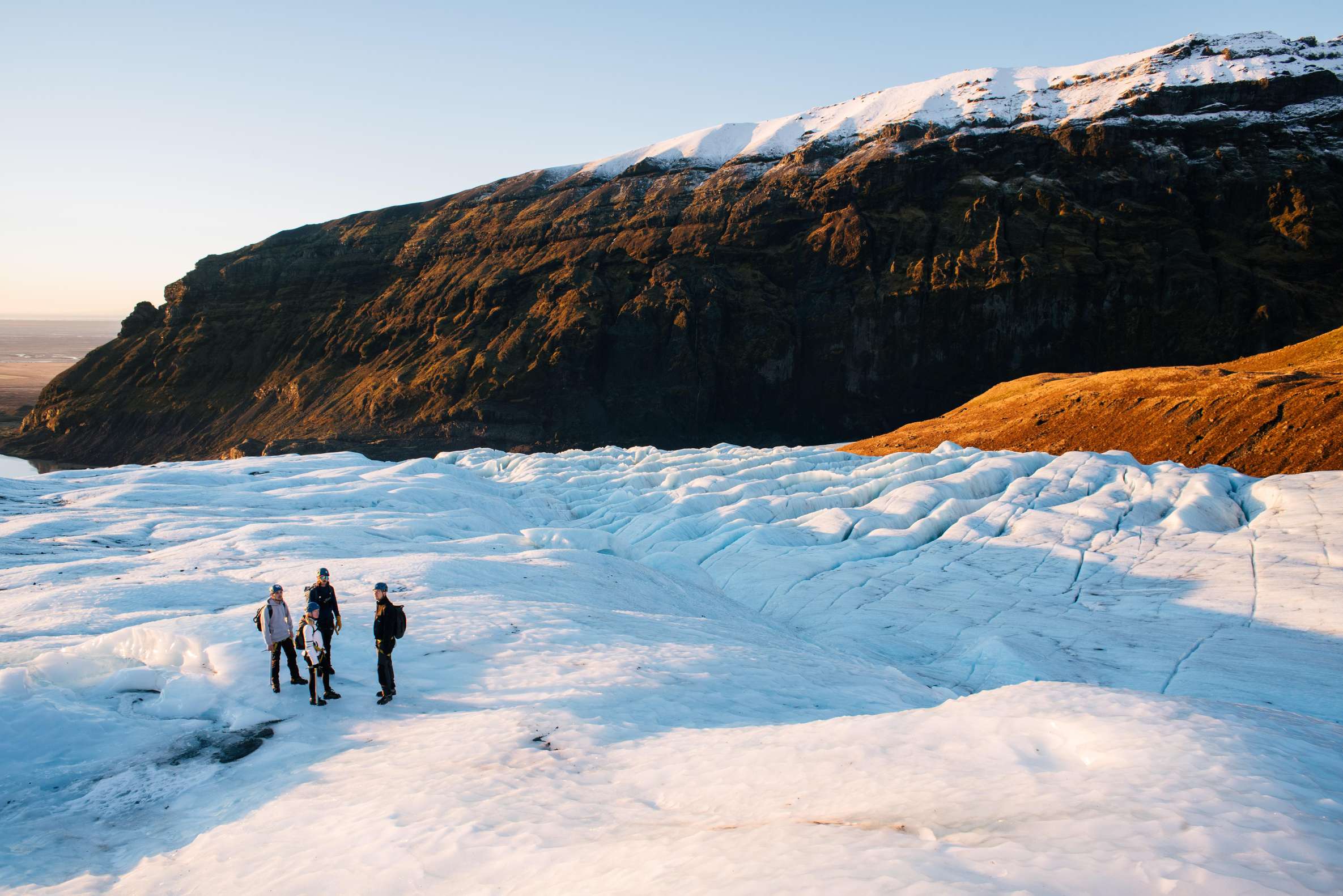
Evening dining thins out east of Vík, so plan dinner around your hotel's kitchen hours. Two dependable spots sit near the lagoon.
The Glacier Lagoon Hotel restaurant serves dinner from 6 pm to 10 pm, and hotels in the area generally offer dinner year-round. Hali Country Hotel serves dinner from 6 pm to 8:30 pm and is open all year except December 23 to 25.
That window matters more than the menu. In deep winter, you arrive at the lagoon in fading light and the day is spent, so a fixed dinner service is part of the plan. Book your room with dinner in mind, because the alternatives are a long drive back to Vík or nothing at all.
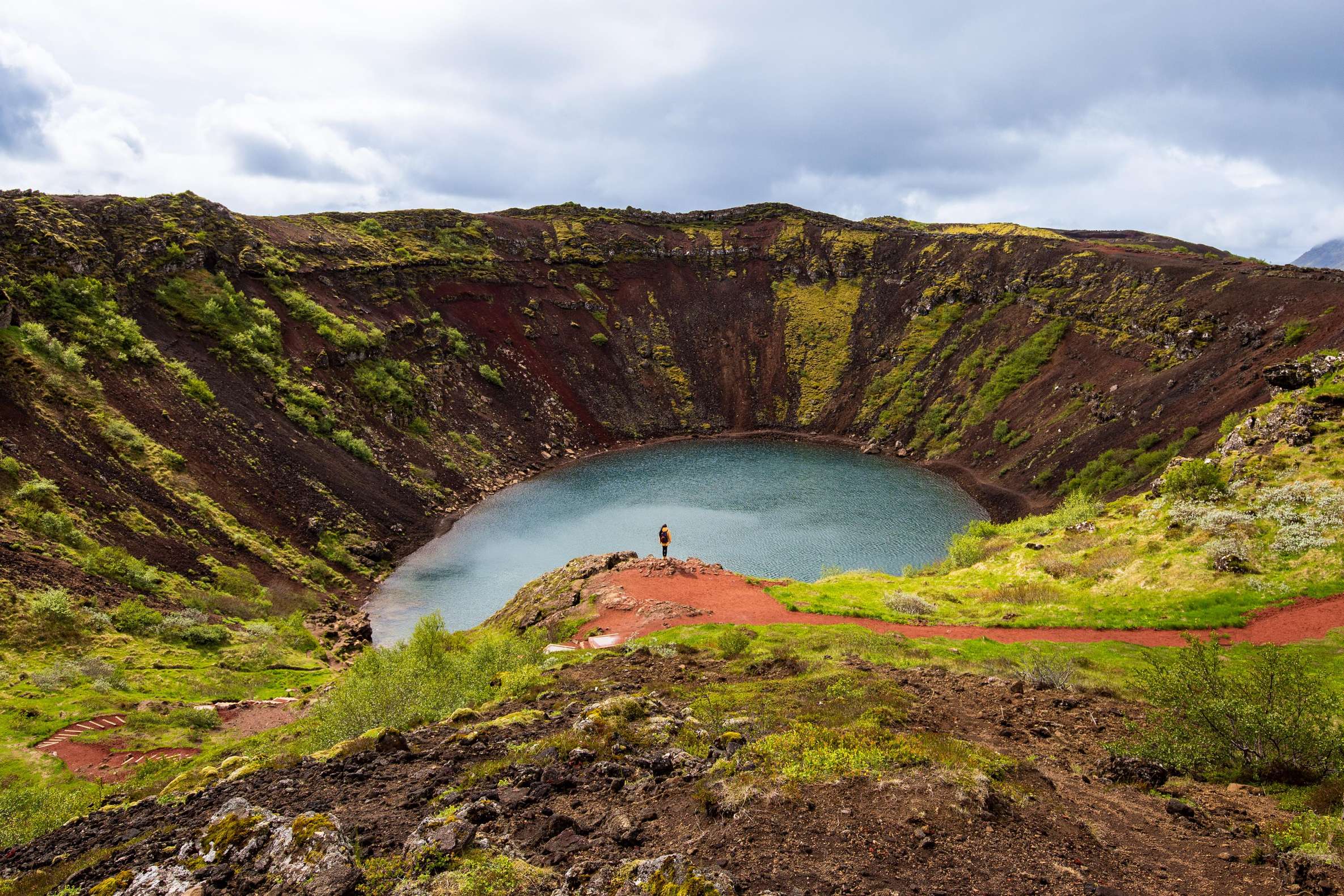
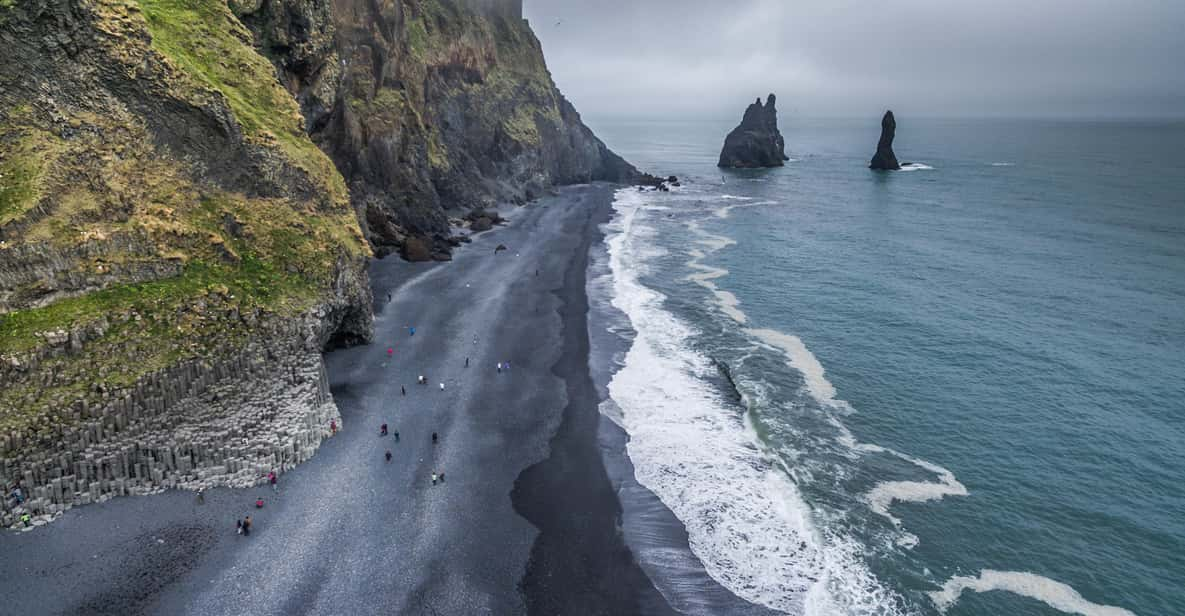
Reynisfjara rewards attention to its warning lights. Yellow means stay out of the yellow zone. Red means stay on the upper beach, no farther than the light sign, and watch the waves from a safe distance; at red alert the beach is closed but the viewing area stays open.
At orange alert, keep at least 25 metres from the sea. Stay well back from the water's edge, never turn your back on it, keep children with an adult, and mind falling rocks near the cliff.
Conditions change quickly, and safety officers can close the beach at short notice.
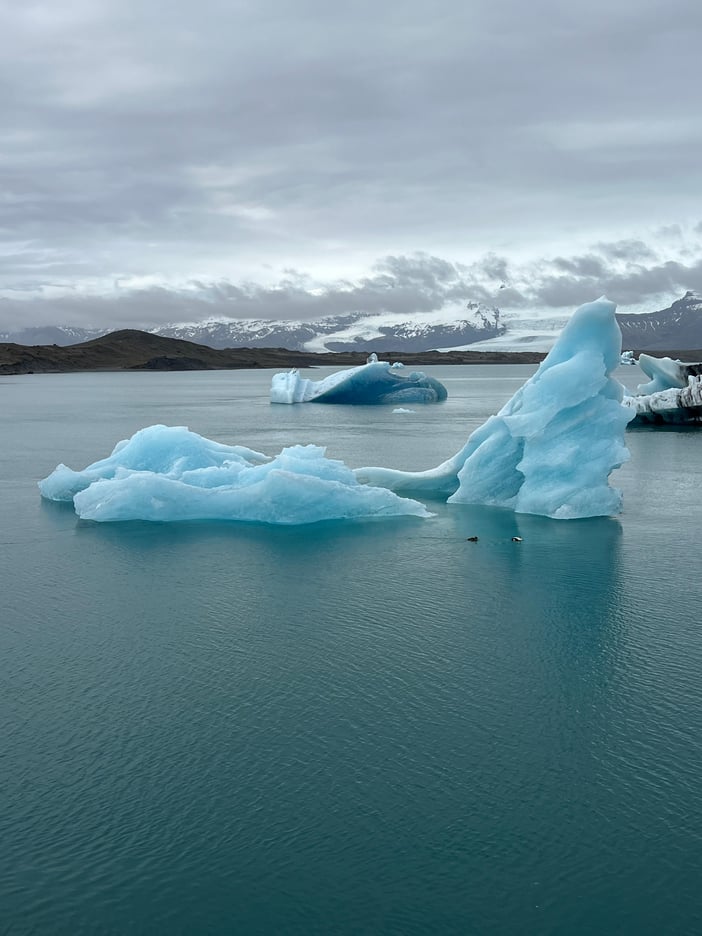
At Diamond Beach, the tide decides the show. Ice from Jökulsárlón washes out to sea and back onto the beach, so how much ice lies there, and where, changes with tide, weather and season. Visit twice if the schedule allows.
The lagoon's boat tours are a summer thing. Amphibian boats run from May to November and Zodiacs from May through October, and winter ice can stop both.
Amphibian tours take all ages; Zodiacs need passengers at least 10 years old or 130 cm tall who can walk a short distance and hold on with both hands. Glacier hikes near Vík run on Sólheimajökull, while Skaftafell-based hikes go onto Svínafellsjökull or Falljökull.
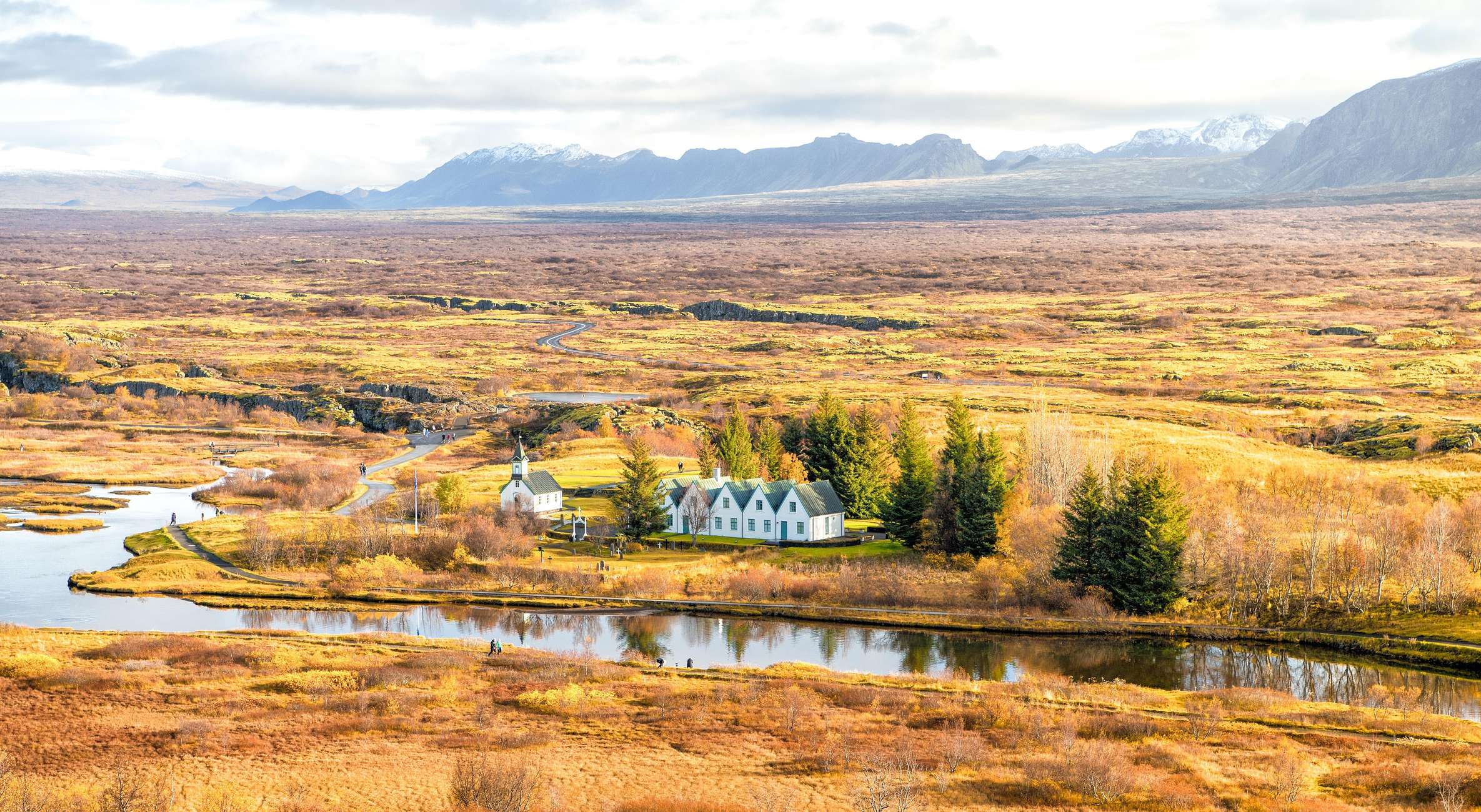
Three days covers the Katla Ice Cave, the waterfalls and the lagoon with one overnight split at Vík, and February gives the best ice with the most daylight.
Go guided if winter driving is new to you. If you drive, keep nights flexible, watch the road and weather sites each morning, and let the refund rules carry the risk when storms close the road.
vík is the halfway point: 2h 38m from reykjavík
Decided on a cave visit? A full guide to Iceland's natural glacier caves helps you pick the right one.
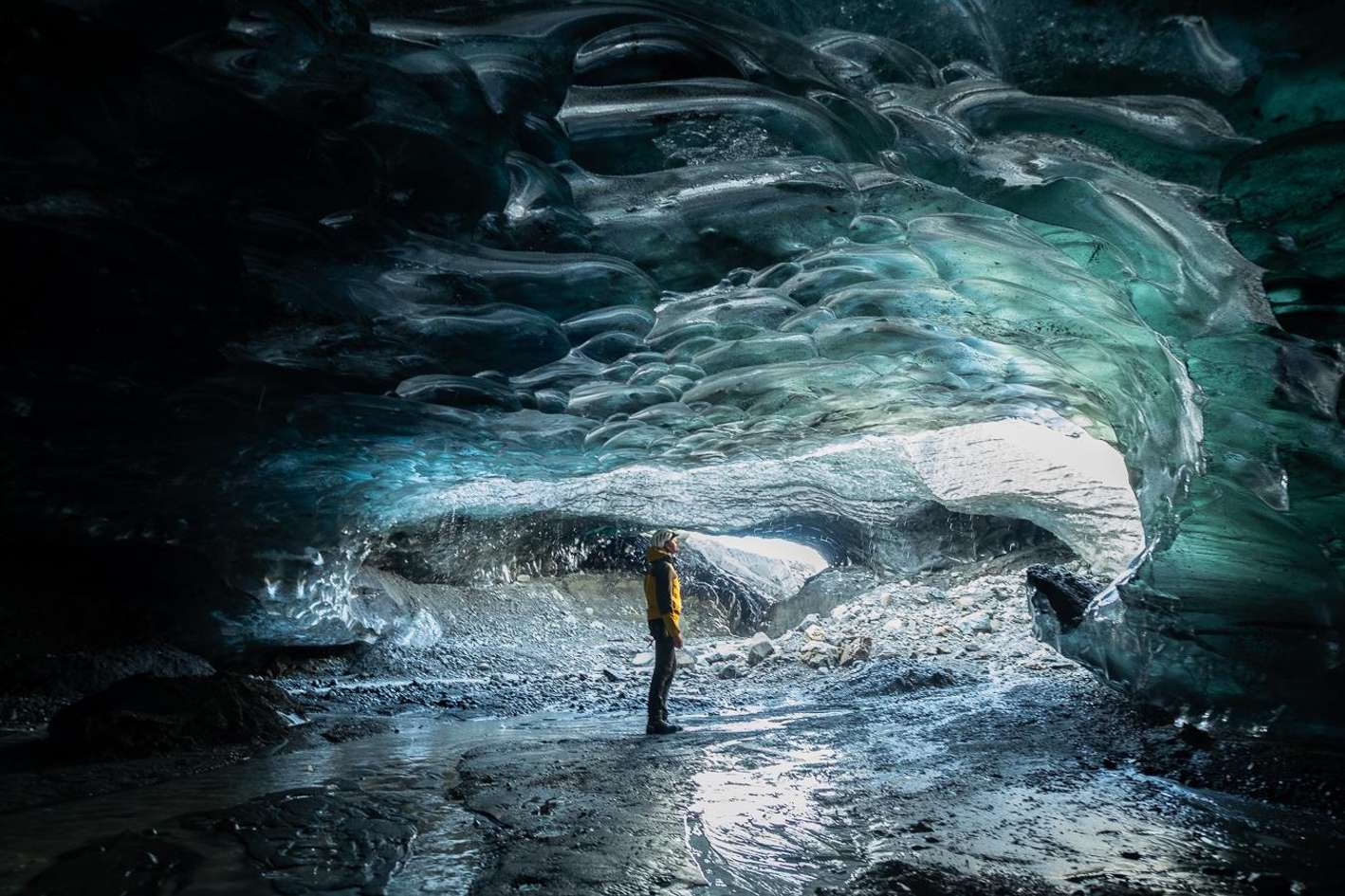
Nervous about the ice? Guided cave tours with local glacier guides explain the gear, the pace and the safety.
Traveling as a couple or a family group? Private cave tours give you your own guide and your own schedule.
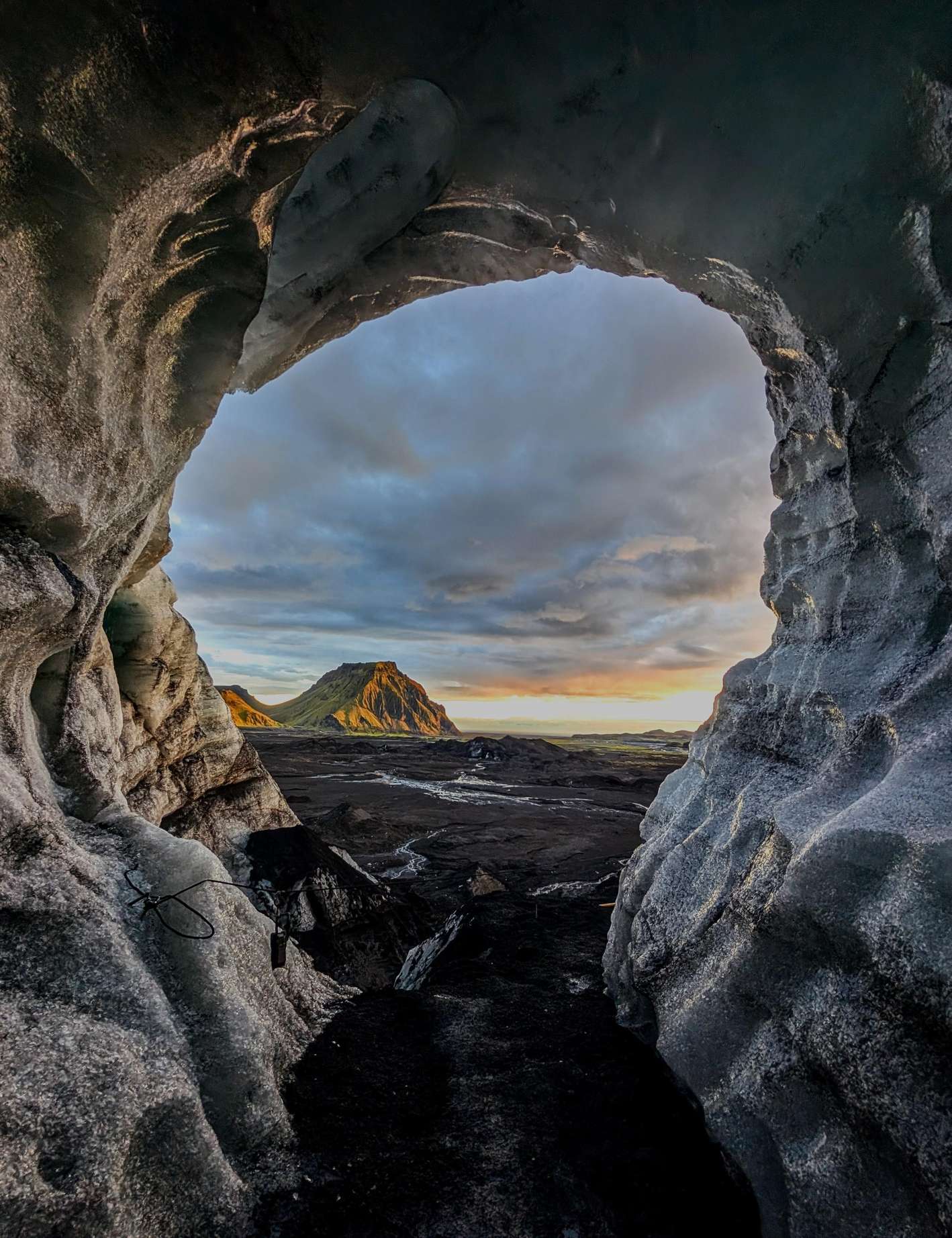
Hate big bus crowds? Small-group cave departures keep the group small and the pace relaxed.
Want more time on the ice? Glacier hike and cave combos pair a walk on the glacier with a cave entry.

Short on time? Helicopter tours let you reach the ice from above, with landings near the glacier.
Set on Katla? Current conditions and ticket options for the cave near Vík, with departures year-round.
Thinking of driving yourself? Directions and maps show why a Super Jeep is the only way in.
Unsure when to go? Summer and winter visits both work, and the timing advice makes the choice simple.
Worried about kids or knees? A safety guide sets out ages, difficulty and who each cave suits.
Packing questions answered: what layers and boots to bring so meltwater and wind stay outside your clothes.
Torn between Katla and Vatnajökull? A side-by-side look at both caves, from ice color to drive time.
More time on the coast? Day tours and activities across the South Coast, from waterfalls to black sand beaches.
Prefer a smaller bus? Full-day small-group excursions from Reykjavík cover the coast without the crowds.
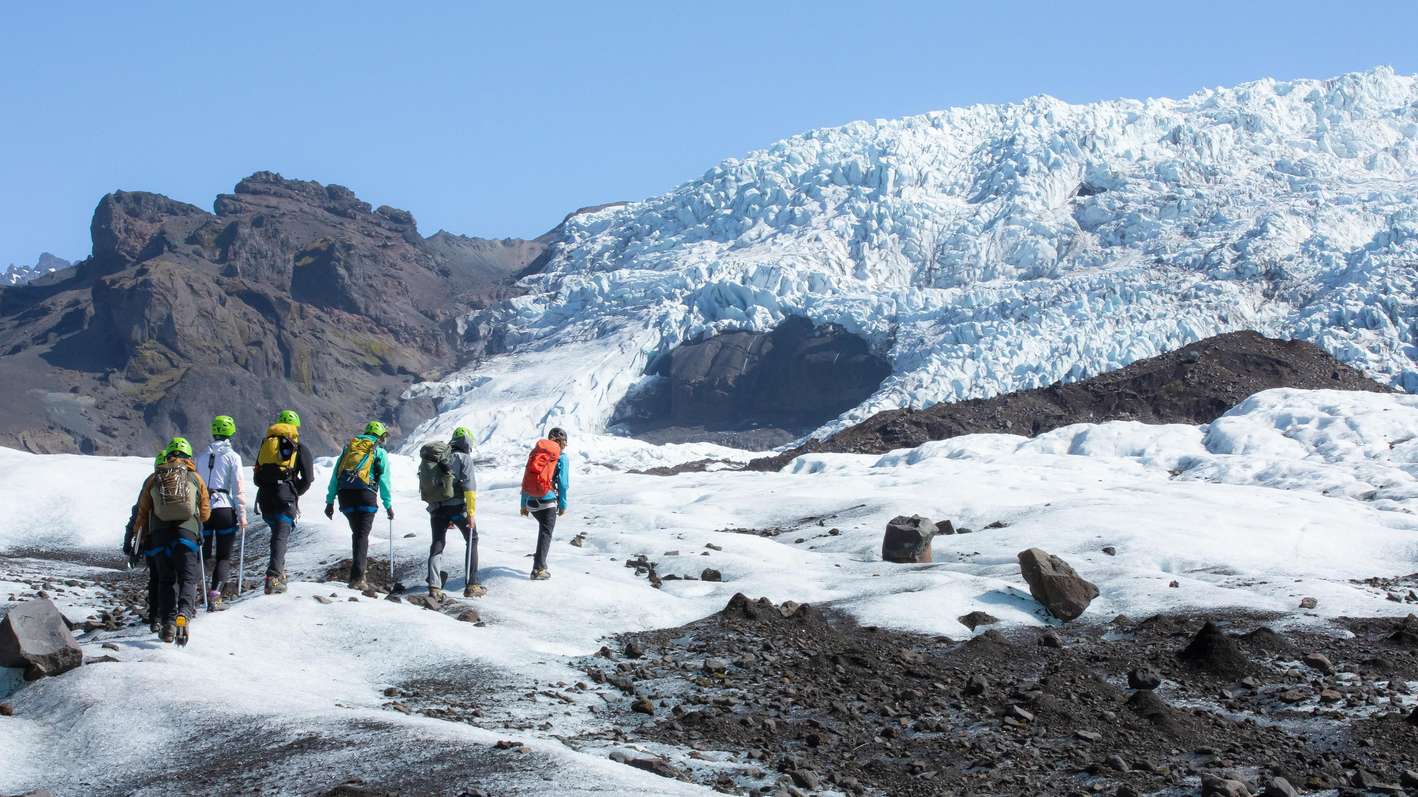
Want to walk on a glacier? South Coast glacier hikes and ice walks, with crampons and helmets provided.
Building your own route? A driving map and itinerary lay out the waterfalls and lagoon in daylight order.
Weather worries? Temperatures and forecasts by season, so you know what the coast can do to a plan.
vík to jökulsárlón is a 2 hr 30 min drive
Short answers to what people ask before they plan three days along the south.
 Reykjavik2026
Yes, and a three-day itinerary does both. It packs in the Golden Circle, the waterfalls, Jökulsárlón and a guided ice cave visit. Expect a busy schedule with long drives and set times at each stop.
Drive east from Reykjavík in this order: Seljalandsfoss, then Skógafoss, then Reynisfjara, then Jökulsárlón. Each stop sits farther along the route, and the waterfalls get the earliest light.
Stay in Vík the first night and around Kirkjubæjarklaustur the second. That keeps the drives even and avoids long stretches after dark, which matters most in December when daylight averages 4 hours 31 minutes.
You can, but conditions change fast, daylight is short and some roads close. If you are not used to winter driving, a guided tour from Reykjavík is the safer choice.
It lands on Day 2, after Jökulsárlón. From October to April a certified glacier guide leads a glacier hike into a natural cave; in summer the itinerary goes to Katla Ice Cave near Vík. The cave part takes about two hours.
Sturdy hiking boots with good grip, a warm base layer, an insulating middle layer, and a waterproof, wind-resistant jacket and trousers for waterfall spray. One tour operator makes hiking boots mandatory and rents them at the cave.
A round trip from Reykjavík to Jökulsárlón in one day means a long drive back after a full day of sightseeing. Splitting it over two or three days cuts fatigue, gives more time at the waterfalls and the lagoon, and keeps most driving out of winter darkness.
Tours cannot drive through the mapped central area, so the city has 12 designated pickup and drop-off spots, shown on a map. These are short stops of about five minutes, so be at your point when pickup starts.
Keep water, snacks or a packed lunch, a camera and a warm waterproof layer in your daypack. Main luggage stays in the tour vehicle's luggage bay, and you wear sturdy shoes for stops on uneven ground.
Ice cave tours include a helmet and crampons, and some add a headlamp. Lead guides on Vatnajökull cave tours must have completed at least AIMG Hard Ice 3 or a comparable course, and natural caves are always visited with a certified glacier guide.
Yes. The glacier hike on these packages requires participants to be at least 8 years old and to wear EU size 34 shoes or larger. The ice cave visit has a minimum age of 6, and everyone should be able to walk comfortably for about two hours.
small group minibus, hotels included
Pickup in Reykjavik, two nights of hotel accommodation and a guided ice cave visit, all with free cancellation up to 24 hours in advance.